Health
Mistakes people often have about blue light and effective eye protection
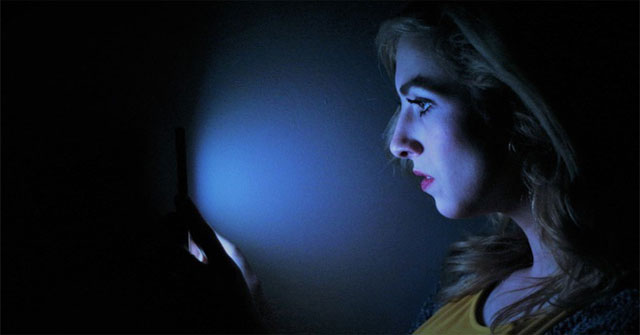
For a long time, blue light emitted from electronic devices such as smartphones, laptops, televisions ... has been accused of causing insomnia, even eye damage.
Browse ScienceInfo articles and explainers related to Light.
3,286 published items.
For a long time, blue light emitted from electronic devices such as smartphones, laptops, televisions ... has been accused of causing insomnia, even eye damage.
Scientists have just made something impossible: reverse solar technology, because instead of using light, they use darkness to generate electricity.

3.5 million years ago, a huge explosion had 'flashed' from the center of our Milky Way galaxy. The radiation from the explosion was felt 200,000 light-years away.

How does the camera on the phone work? Instructions on how to take beautiful pictures with your phone and smartphone.
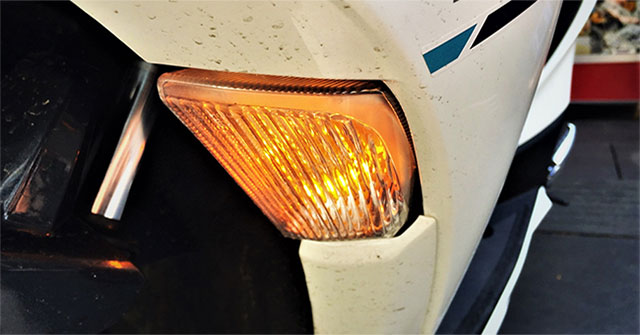
In 1938, the patent for the turn signal was officially granted, immediately the car and motorbike manufacturers equipped this system on their vehicles.

The artificial moon is technology
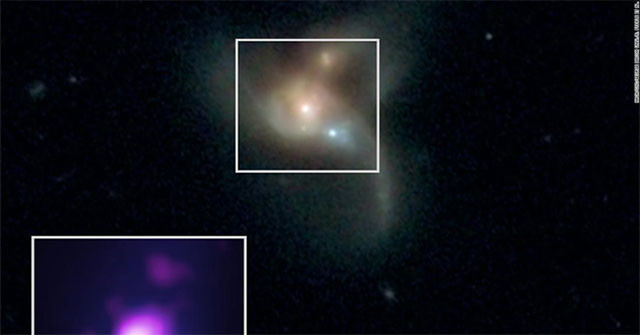
Scientists first observed the phenomenon of three galaxies colliding, placing supermassive black holes at their centers into orbit to merge.
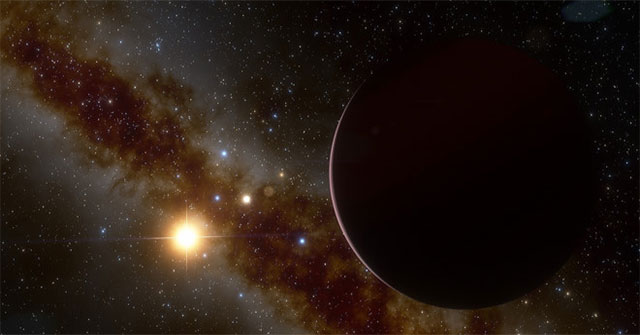
Scientists were surprised to find the solar system nearly 30 light-years from Earth, even though the center is a small red dwarf that still holds the planet in mass in o…
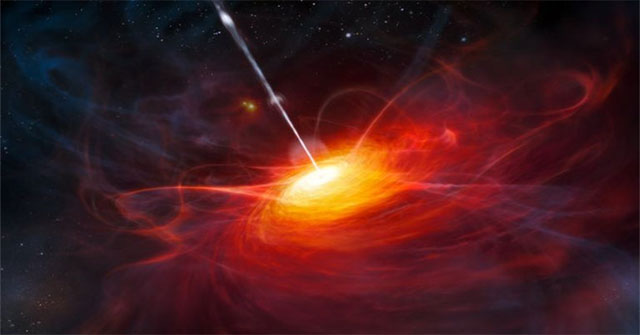
To calculate large, accurate calculations on a galaxy or cosmic scale, one needs an exact constant to make the landmark. It can be said that Hubble's constant is the sam…

Researchers are collaborating on a design for glasses for myopia children aged 6 to 12 years that can emit purple light.
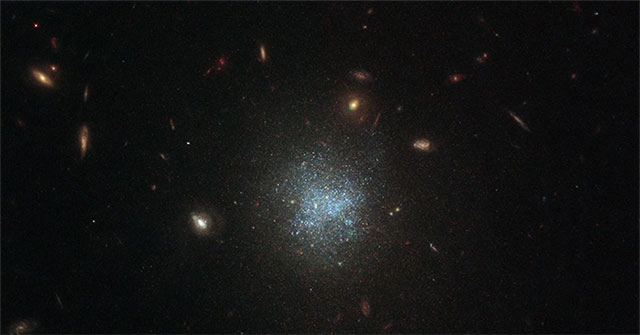
The Hubble Space Telescope captures UGC 695, a weak glowing galaxy located in the constellation Cetus (Kinh Ngu).
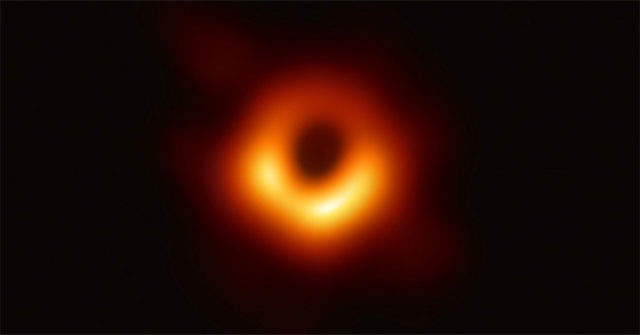
The giant black hole in the center of our Milky Way galaxy is swallowing matter at unprecedented speed.
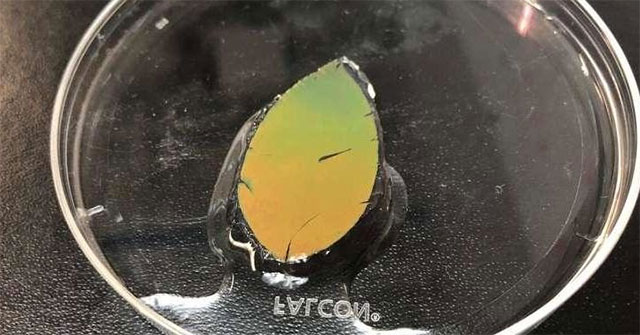
Scientists have successfully created a smart skin that is capable of changing color with temperature and light.
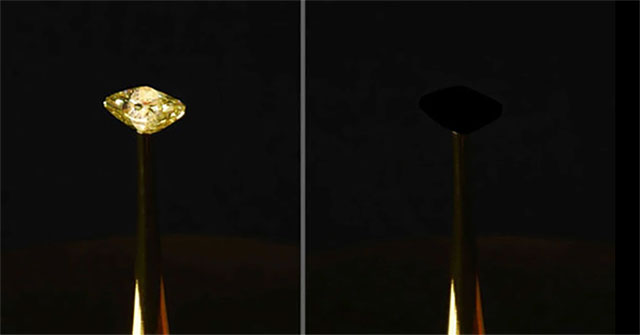
This newly discovered material is able to absorb up to 99,995% of light.
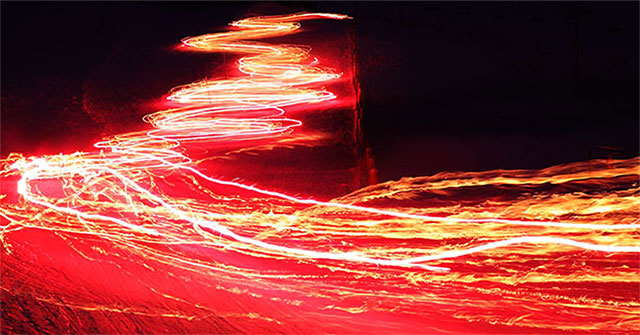
A previously unknown type of light wave has just been discovered by scientists, based on the pioneering work of a 19th-century Scottish scientist.