Space science
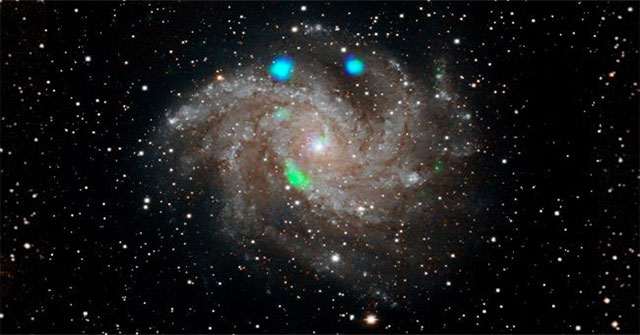
NASA captured mysterious X-rays from the universe's strongest 'beast'?
NASA's NuSTAR Nuclear Spectrometer has just captured mysterious light from the universe, a source of super-energy X-rays that baffles scientists.
Browse ScienceInfo articles and explainers related to Light.
3,286 published items.
NASA's NuSTAR Nuclear Spectrometer has just captured mysterious light from the universe, a source of super-energy X-rays that baffles scientists.

The photographer stumbled across the pink rainbow, a phenomenon that often occurs at sunrise and sunset, against a backdrop of blue skies in Scotland.
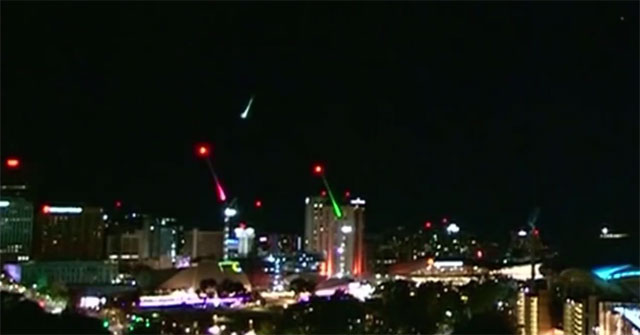
Recently, a relatively large meteorite has landed in southern Australia, creating a giant trail of light in the dark night.
A big step forward in developing quantum computers.
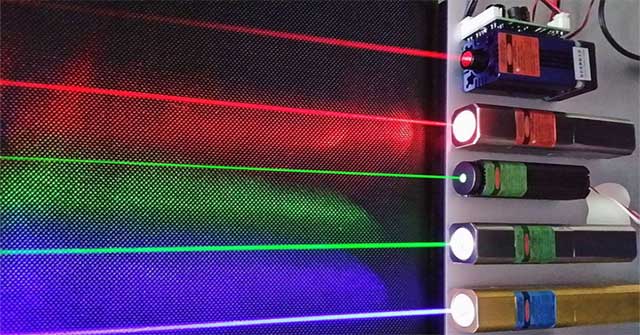
It is not strange that China leads the way in crystal research, used in laser technology.

The annual science photography contest has selected the best works, helping the public to open their eyes through amazing photos.

A photosensitive additive added by US military researchers to polymers has created the material that dissolves into water and evaporates upon exposure to sunlight. This…
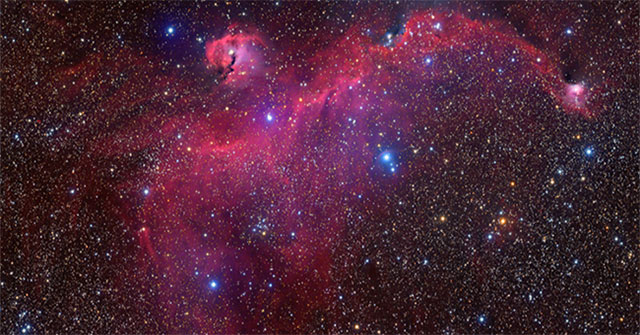
Constellation IC 2177 is where new stars are born. This area includes dust, hydrogen, helium and traces of some heavy elements.

People who spend the night outdoors can sleep an average of 10 hours and go to bed 2 hours earlier than when they sleep at home.

We know that hot air is lighter and floats up, so why is it so cold on the top of the mountain?

The sea water is obviously not blue. The blue of the ocean only reflects the depth, the components that make up the sea there and what is below the sea surface.
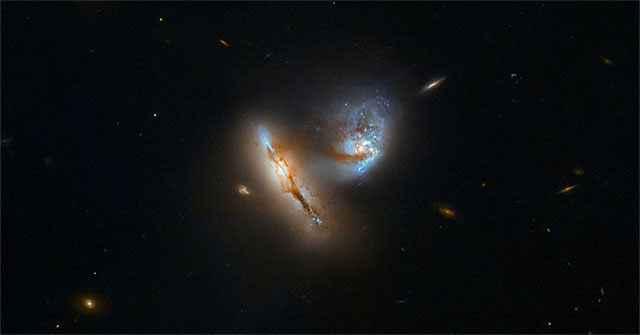
Hubble Space Telescope captures a pair of galaxies that are about to merge to form a new galaxy called UGC 2369.

In 1976 photographer Greg Girard arrived in Tokyo and began photographing the city, in a period when American influence gradually declined and economic boom took place.
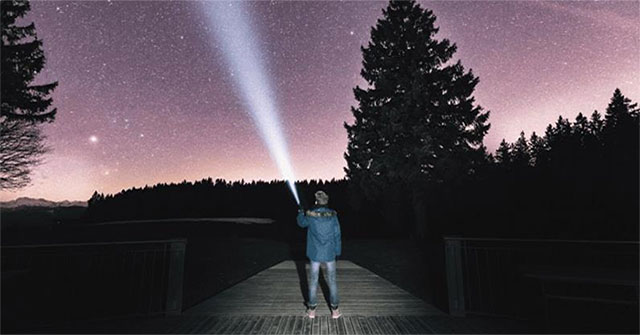
Many scientists argue that sending messages into space without knowing who will receive may be a bad idea. This could lead to a bad future for Earth.
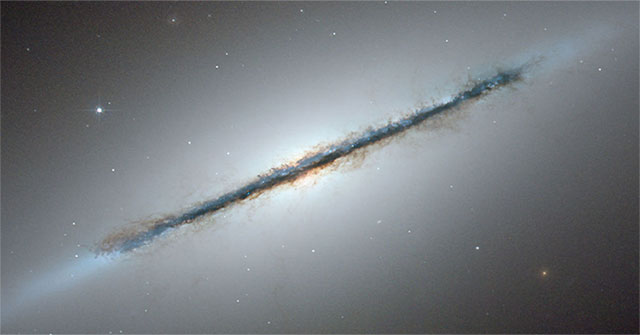
Spitzer Space Telescope has discovered galaxy NGC 5866 about 60,000 light-years in diameter - more than half the diameter of the Milky Way where people live.