Space science
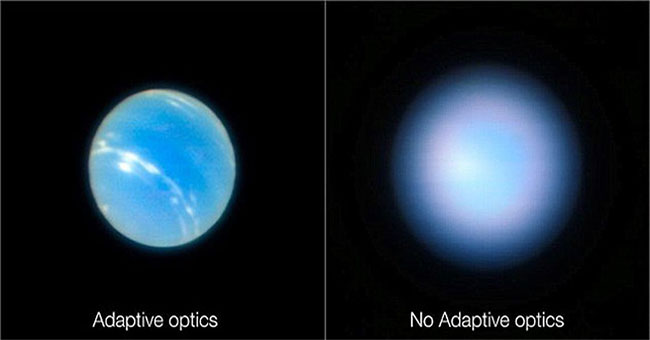
Super sharp image capturing Neptune from Earth
The Very Large Telescope (VLT) of the Southern European Observatory (ESO) has received the first light rays after activating the new adaptive optical mode.
Browse ScienceInfo articles and explainers related to Light.
3,286 published items.
The Very Large Telescope (VLT) of the Southern European Observatory (ESO) has received the first light rays after activating the new adaptive optical mode.

The Milky Way, the galaxy that holds us and the Solar System, is a large place. It is so big that we may never get out of it. So if there is a chance, how long will we g…
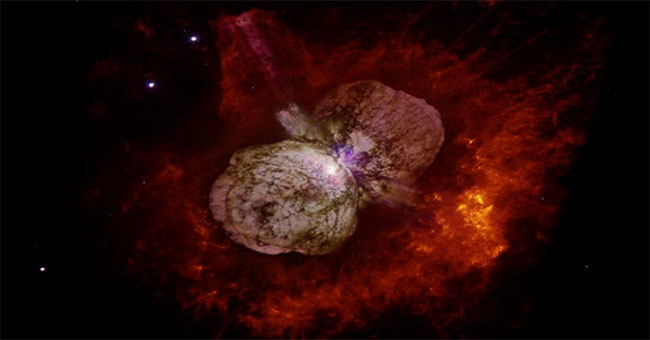
Located 7,500 light-years from Earth, the Eta Carinae star system is formed by two stars that are 90 and 30 times the mass of the Sun, extending 225 million km (140 mill…
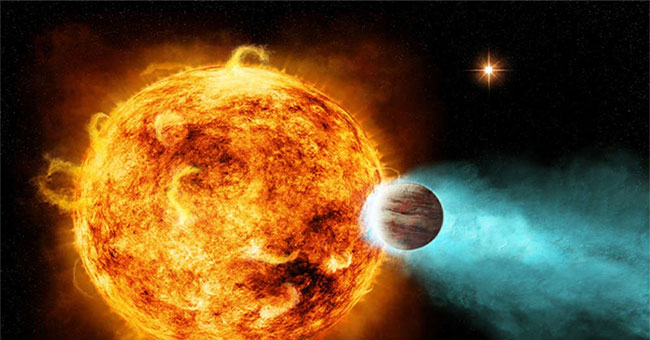
Specifically, astronomer Helen Giles - the study author has found a new planet, named EPIC248847494b, located 1800 light years away.

There are many strange things in the orbit of the Sun that astronomers have not yet liked. Here are 10 unexplained natural phenomena in our Solar System.
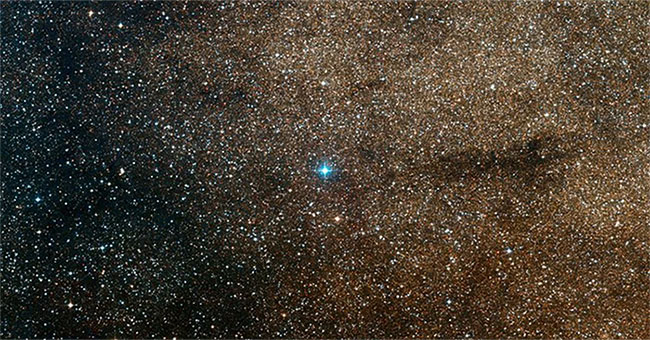
These three young planets orbiting a star called HD 163296, are about 330 million light-years away in the constellation Sagittarius.
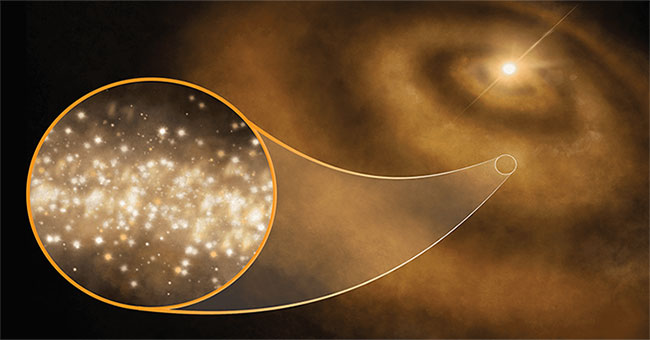
Cosmologists have used the Green Bank Telescope in West Virginia to examine 14 newborn star systems, located in the Milky Way, and discover a strange kind of light.
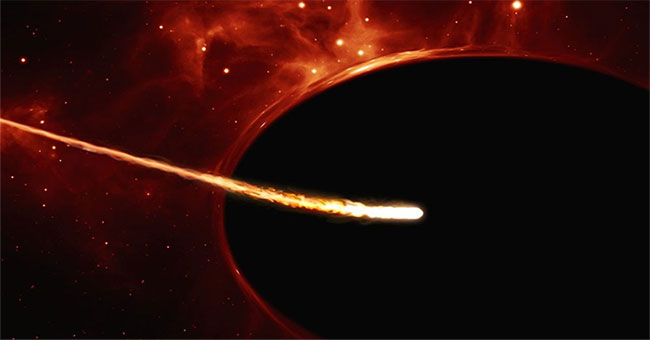
Despite the decades of research, what is gained about cosmic black holes remains just as salty as the potential for knowledge provided by them.

Through this discovery, scientists attest that Einstein's theory of relativity still applies to giant scales, which here are applied to an entire galaxy.

The planets were discovered by NASA's Kepler spacecraft, by tracking the obscured light of the host star as the planet passes through the star's bright region.
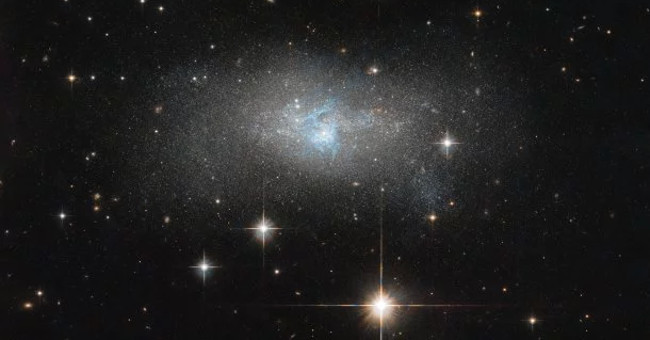
NASA's Hubble Space Telescope captures the details of the galaxy IC4870, UPI on 8/6 reported. IC4870 stands out from the picture with a series of other stars around.
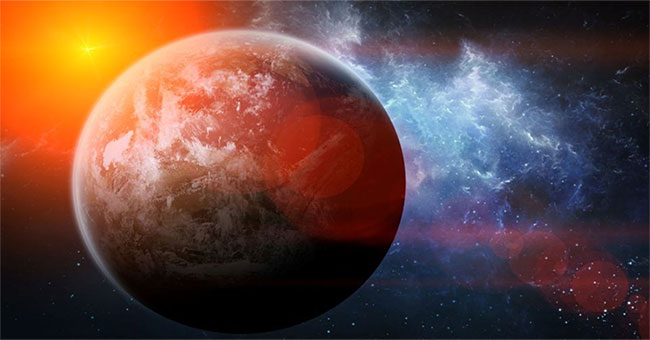
Indian scientists point out an extraterrestrial planet orbiting a star similar to the Sun 600 light-years from Earth, Science Alert reported on June 11.
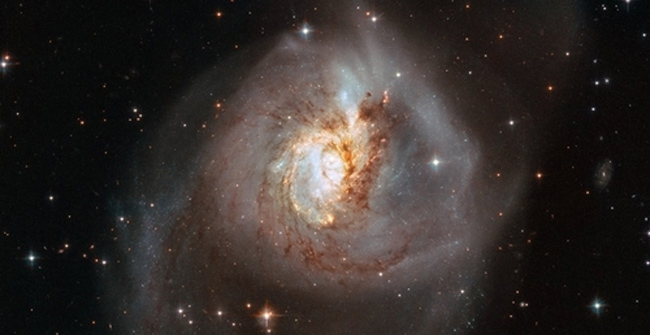
Galaxy NGC 3256 has a distorted shape due to the formation of a collision between two spiral galaxies.
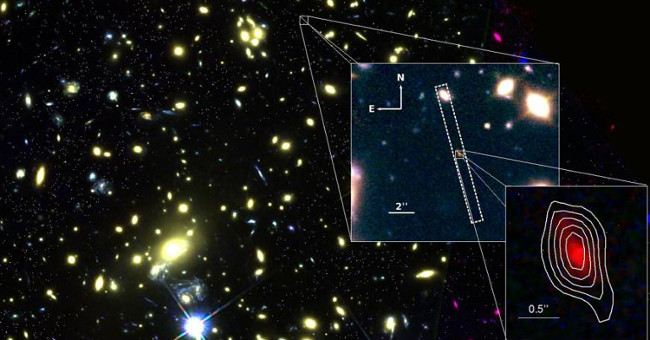
Cosmologists at University College London yesterday announced enlarged photographs and new findings about the MACS1149-JD1 galaxy, the farthest galaxy ever discovered.
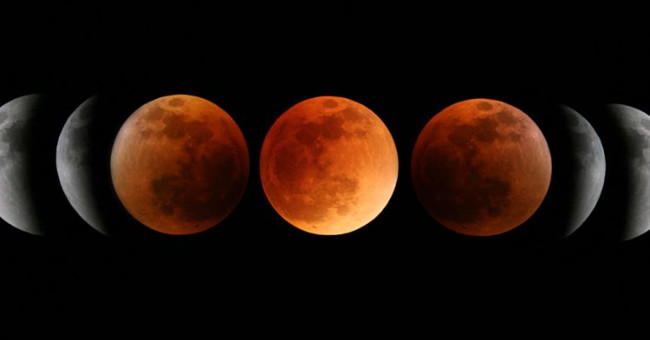
Not only is it obscured, the Moon will be red by reflecting light from the Sun, creating a spectacle, according to Newsweek.