Space science
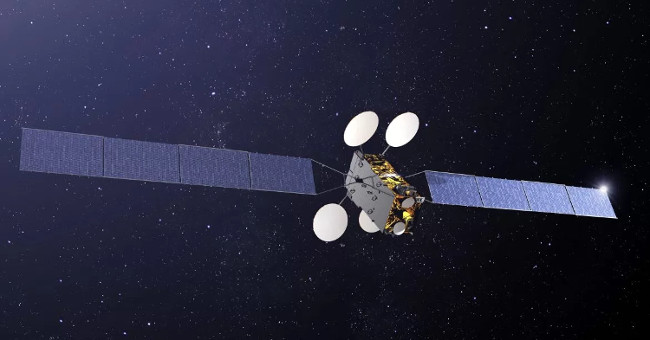
Brazil launched the first geostationary satellite to serve defense work
On March 21 (local time), Brazil launched a geostationary satellite for its first defense and communication work, called SGDC-1.
Browse ScienceInfo articles and explainers related to March.
741 published items.
On March 21 (local time), Brazil launched a geostationary satellite for its first defense and communication work, called SGDC-1.
On March 19, SpaceX's Dragon's unmanned spacecraft returned to Earth safely after nearly a month of being on orbit, ending its mission of supplying cargo to astronauts w…

March is an interesting month for those who love astronomy. In March, a series of remarkable astronomical phenomena like the Moon of Mars, the Moon obscures Aldebaran, .…
The new discovery, published in the March 31 issue of the journal Nature, points to billions of years ago of precious metals like gold, silver, and platinum in the unive…

The US Aeronautics and Space Administration (NASA) on March 30 drew a heat map on the super-earth 55 Cancri e, showing great thermal fluctuations between the day and nig…
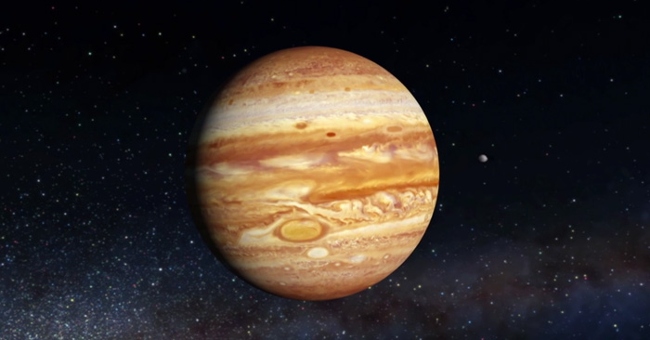
The video recorded by amateur astronomer John McKeon on March 17 was unexpected
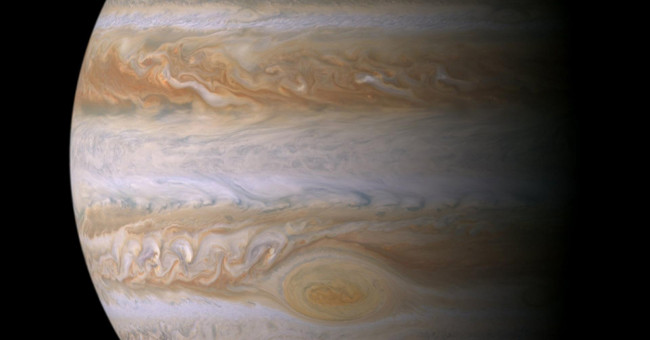
A flash of light appeared on the largest planet in the solar system on March 17 and experts said it could have come from a meteorite or comet.
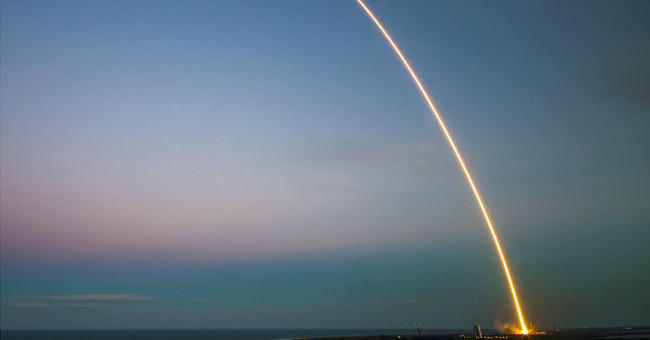
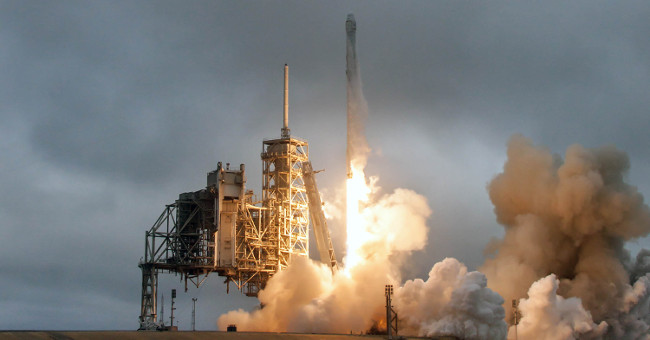
In the early morning of March 5, Vietnam, SpaceX launched Falcon 9 rocket into space and successfully put SES-9 satellite into orbit, after 4 previous delays.
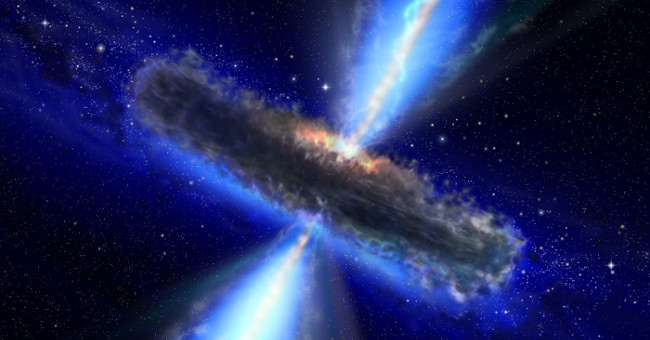
According to information published in the Astrophysical Journal Letters, Astrophysical Journal Letters on March 7, astronomers have recently discovered a large ocean tha…
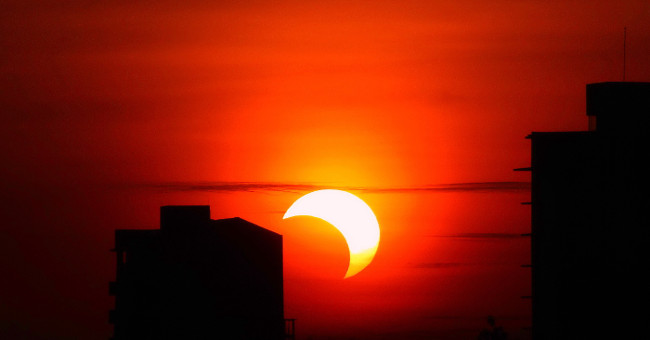
On March 9, Vietnamese astronomers can witness the amazing phenomenon of nature: Eclipse.
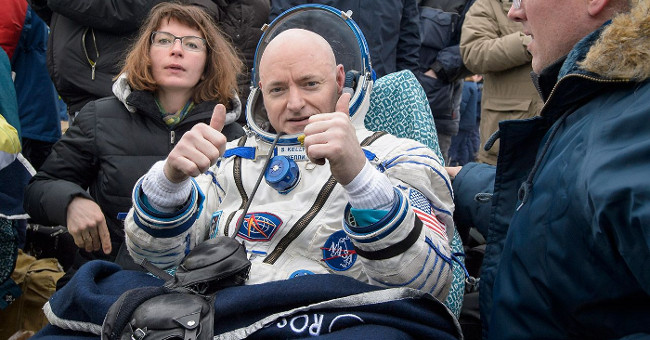
On March 2, astronaut Scott Kelly (USA) and Mikhail Kornienko (Russia) safely returned to Earth after nearly a year of living on the universe.
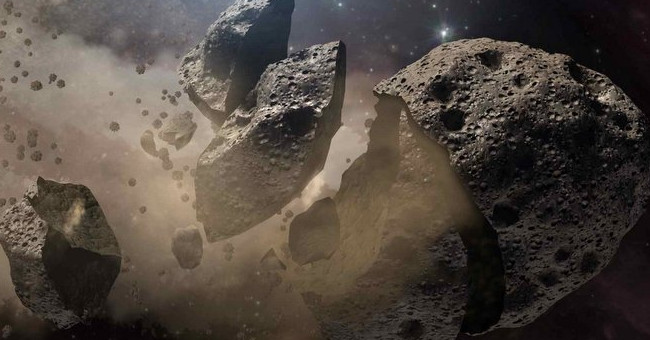
The US Aeronautics and Space Agency (NASA) said an asteroid was discovered two years ago
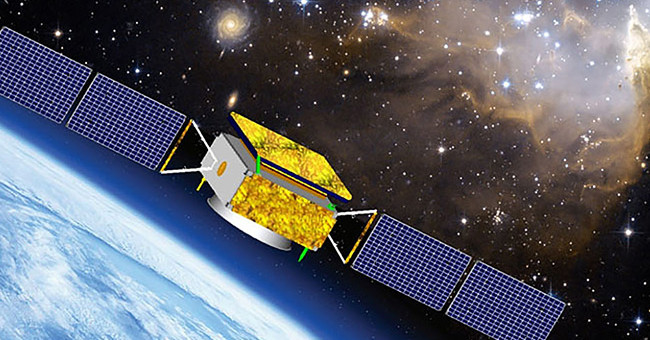
Not only want to build a large particle accelerator, but now Chinese scientists also launch satellites called DAMPE to study dark matter in the universe.
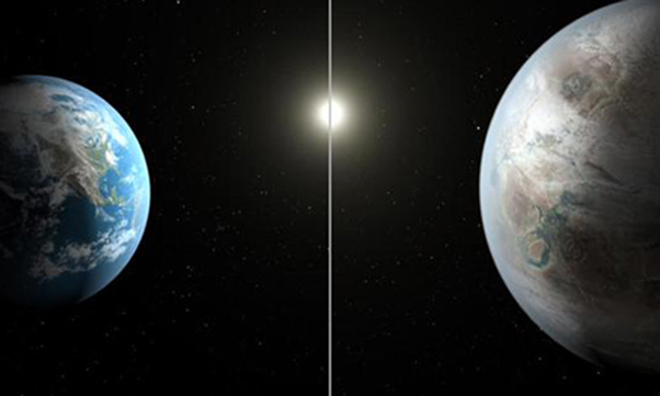
The $ 600 million Kepler spacecraft launched in space in March 2009, designed for the hunt for Earth-like planets outside the solar system.
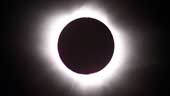
On March 20, the British will have the opportunity to observe a special astronomical phenomenon. Super moon and eclipse appeared and lasted for two hours.