Space science
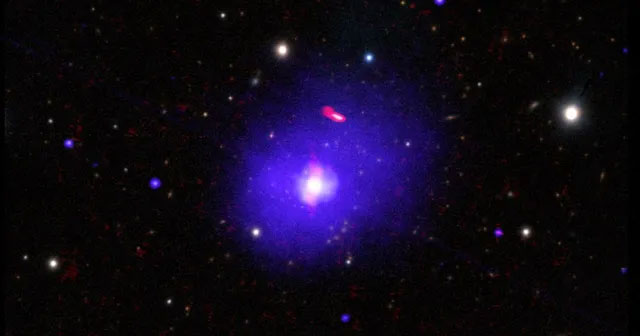
Suddenly discovered a 'monster' black hole with an unusually slow rotation speed
Black holes have always been considered one of the most complex and mysterious entities to modern science.
Browse ScienceInfo articles and explainers related to Mass.
714 published items.
Black holes have always been considered one of the most complex and mysterious entities to modern science.
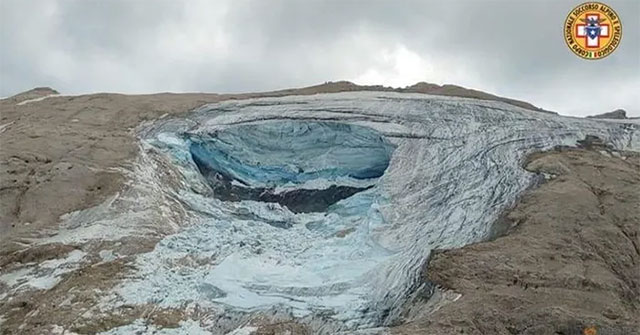
The ice collapse on the top of Mount Marmolada in the Italian Alps sent a mass of ice, snow and rocks down on a large number of climbers, leaving dozens dead and missing.
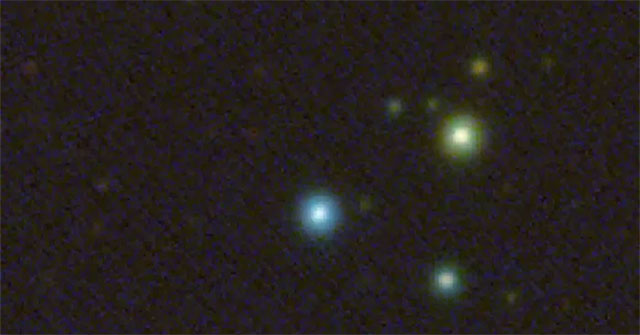
Australian scientists have discovered a supermassive black hole with the mass of 3 billion Suns. They believe this is the fastest growing black hole in the past 9 billio…
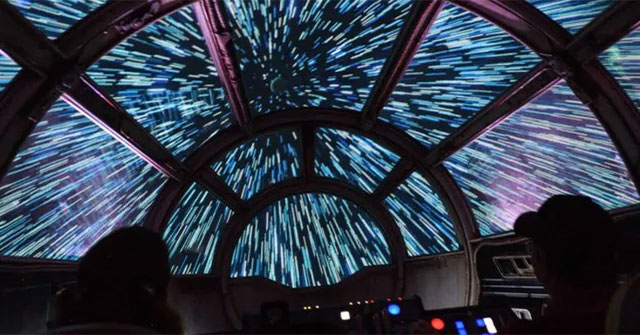
As far as we know, a person cannot travel at twice the speed of light. Einstein's theory of relativity seems to say that it can't happen, but what if it could? Some unus…
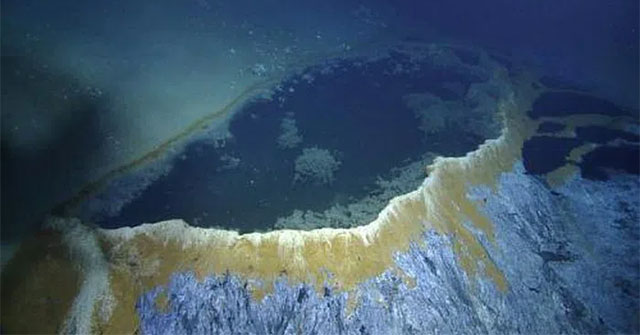
56 million years ago, a global warming caused the oceans to acidify and many marine life to be wiped out.

New research shows that ancient 4,000-year-old beer pots were the key to opening the door of time for the spectacular leap of Chinese civilization.
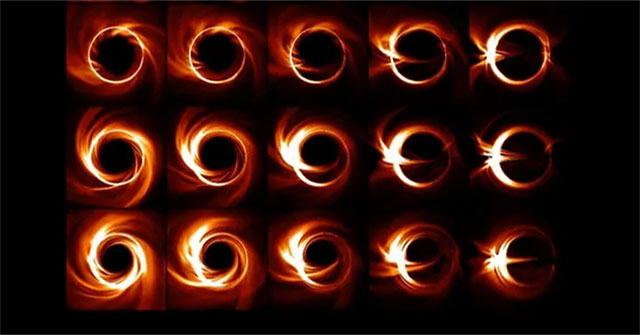
According to DigitalTrends, the black hole Sagittarius A* is a supermassive black hole, usually found at the center of most galaxies.
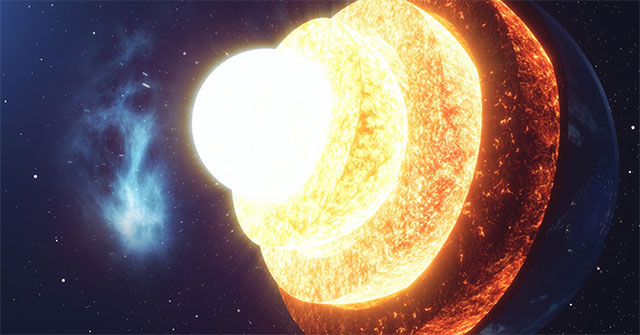
The mystery of the 'ultra-low-velocity zone' - a mysterious mass of matter located in the deep mantle of the Earth that seismic waves seem to be 'tied' when traveling ho…
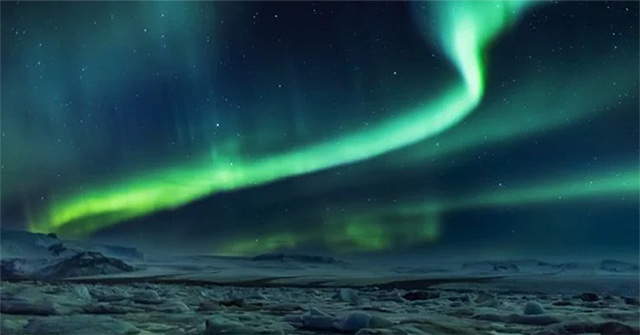
Massive CMEs (coronary mass ejections) from the Sun not only set Earth's sky ablaze in colorful auroras, but also emitted wild sounds.
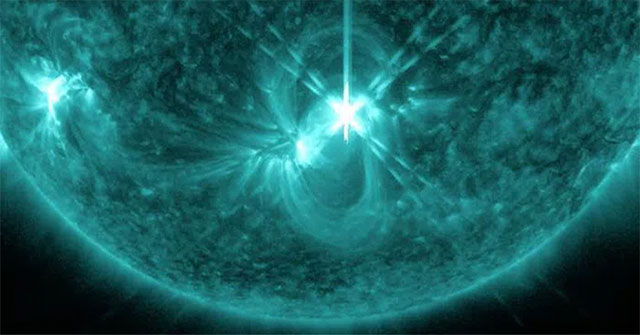
Following the X-type cosmic flare could be a space bomb - a orbiting mass ejection (CME) - that ignited the Earth. The culprit continues to be our ferocious mother star.
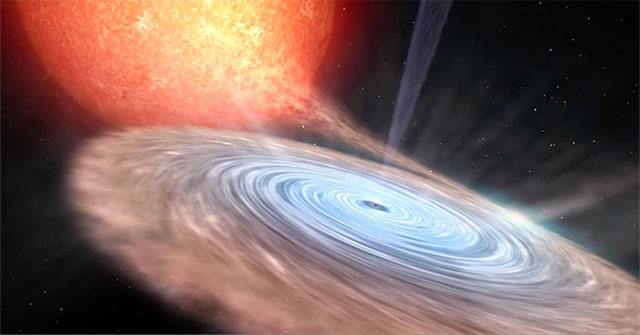
Just like how bats emit sound waves and see objects through reflected waves, NASA's NICER telescope accidentally discovered 8 invisible monsters right in the Milky Way.
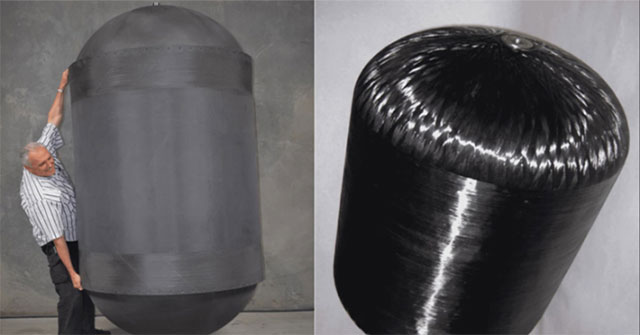
The new fuel tank can help hydrogen aircraft fly four times farther than today's traditional fueled planes, and at the same time emit no carbon.
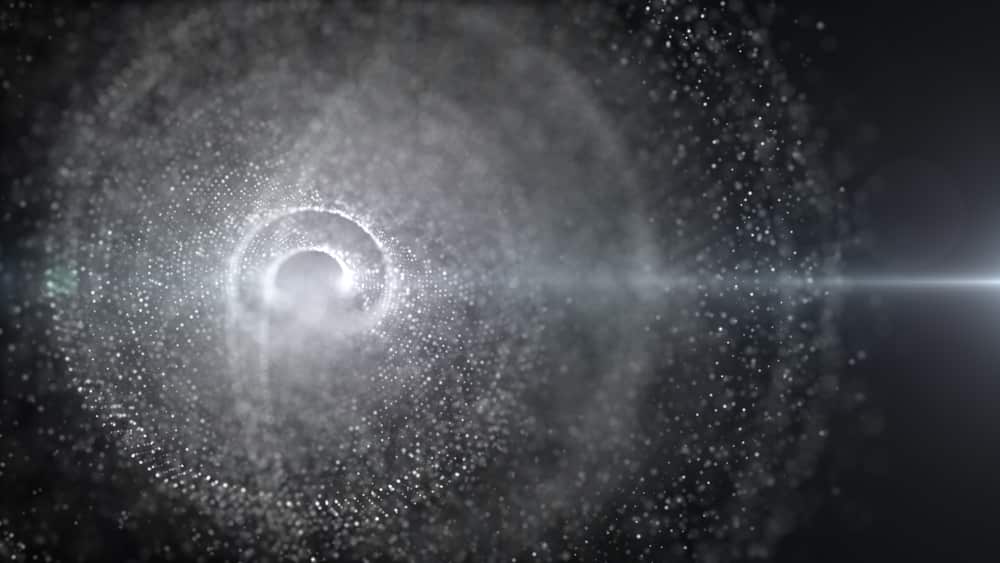
Massive gravitons may have formed a trillionth of a second after the Big Bang, with an excess large enough to form dark matter.
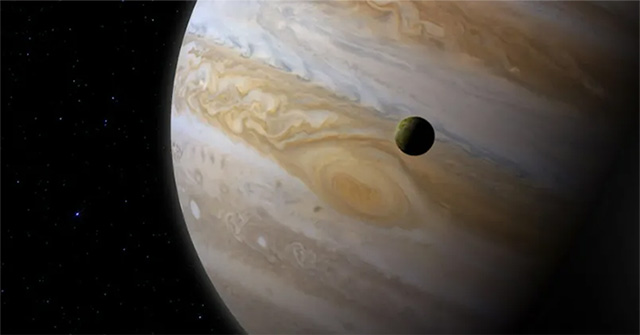
'A star is a spherical object in the plasma form, emitting light and resisting gravity by itself through nuclear fusion in its interior.'
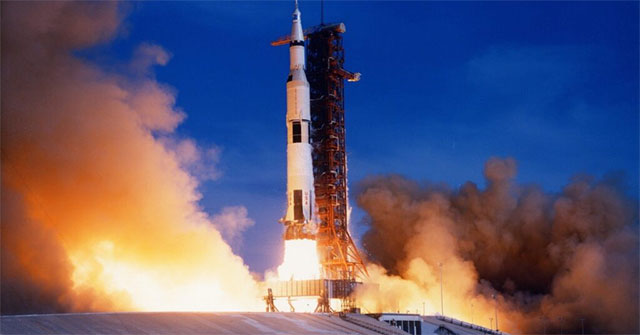
Those of you who often follow space missions will certainly often see space rockets with many stages, here's why they are so