New technology
The device supports new technology pins
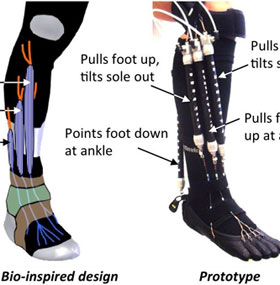
American researchers say a new device that mimics the muscles, tendons and ligaments of the legs, can help rehabilitate dysfunction in the legs and ankles.
Browse ScienceInfo articles and explainers related to Material.
2,029 published items.
American researchers say a new device that mimics the muscles, tendons and ligaments of the legs, can help rehabilitate dysfunction in the legs and ankles.

With its light weight and good strength, titanium is the best material to produce bicycle frames.
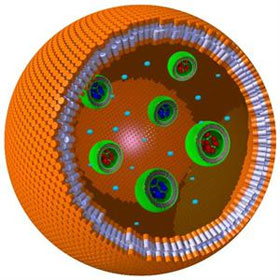
Researchers at Radboud University's Department of Molecular Materials have successfully built the first plastic artificial cell based on the structure of a drop of water.
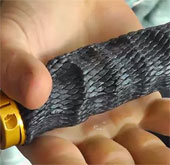
TMR Designs' boys have successfully developed the Imprint Bicycle Grips, a biker that is made of a unique material that can be etched into the hands of the driver to…
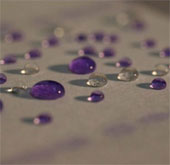
This new paper not only promises to be a reusable packaging material but can also become a viable biomedical diagnostic tool.
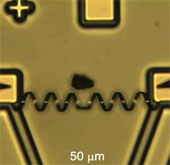
US experts have just announced a new invention called
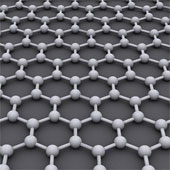
Those are superhuman materials that bring endless benefits to people in the future ...
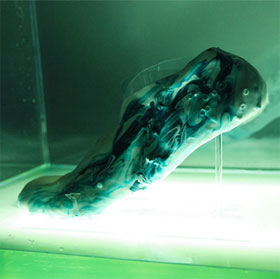
In the near future, biomass shoe models will be produced from 3D printers, with the ability to self-replicate after only one night.

Russian chemists together with their Singapore and Israeli colleagues have created new materials to produce anode for sodium-ion batteries.

Recently, scientists at Harvard University and MIT have demonstrated that in certain conditions, photons can interact with each other and form molecules.
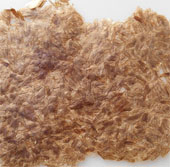
Dutch designer Aagje Hoekstra has introduced a new invention: material made from the beetle's shell, which promises to replace traditional plastics that harm the env…
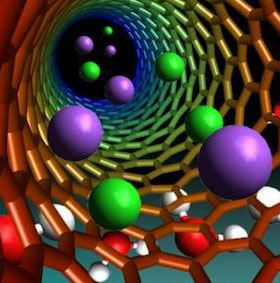
But in order for this material to be useful, they must first be introduced into the human body without affecting the immune system.
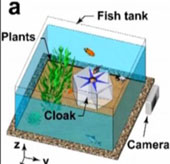
Scientists in eastern China have just released the technology
Swedish scientists have developed a device that can be attached inside a waste pipe to detect explosive materials that help track down terrorist bombs.
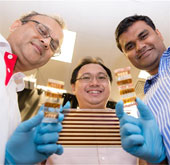
Scientists at Singapore's Nanyang Technological University (NTU) have uncovered a new way to make solar cells more efficient and cheaper.