
Computer science
The world's thinnest material helps speed up the Internet
Two British Nobel laureates have come up with a new way to use graphene - the thinnest material in the world - to make the Internet
Browse ScienceInfo articles and explainers related to Material.
2,029 published items.
Two British Nobel laureates have come up with a new way to use graphene - the thinnest material in the world - to make the Internet

Progress at the Massachusetts Institute of Technology (MIT) could allow the creation of photonic (photonic) chips using conventional silicon.

Electronic products manufactured with the regulations of green standards have begun to appear. According to the newly published report of the environmental protection gr…
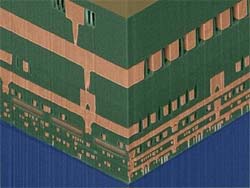
It seems that computer chips will work better if it looks like a Swiss cheese, with a few ... holes in the surface of the fabric. At least, this is true for a new chip m…

IBM took a big step forward in its race with Intel, creating chips that are smaller but faster with the project of making silicon transistors with a new material derived…

IBM has gone a step further in the race with Intel to produce chips that are smaller in size but run faster by building them on special metal materials.

On January 27, 2007, Intel Corporation announced that it was using two completely new materials to build isolation walls and switch ports for its 45-nanometer (nm) trans…

Massachusetts Institute of Technology (USA) estimates 10-15 years later, the world will witness the rise of non-silicon transistors. They are testing a 60 nanometer devi…

Cobalt dye (dark blue) that 18th century painters still use promises to be one of the most feasible solutions to help computers operate faster and more efficiently.

The pair of chip makers is expected to jointly publish documents about the phase change memory (PCM), also known as the PRAM and Ovonic Unified Memory, at VLSI technolog…

InPhase (USA) has announced a much higher data density than any other storage technology on the market so far. The record number that the company has successfully record…
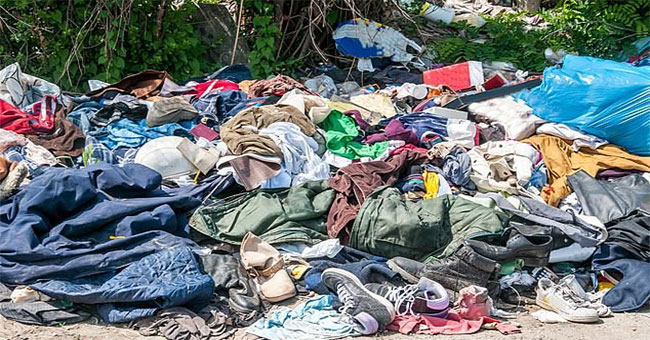
The research results show that it is possible to turn old clothes removed into water-proof and fire-resistant construction materials.
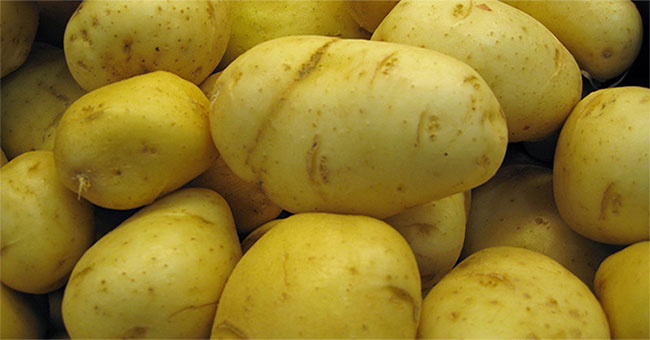
According to HuffPost, student Pontus Trenquist at Lund University (Sweden) has created a material from potato starch of similar nature.

Hot weather not only makes people feel uncomfortable but also reduces work efficiency, the first solution many people thought about was probably turning on the air condi…
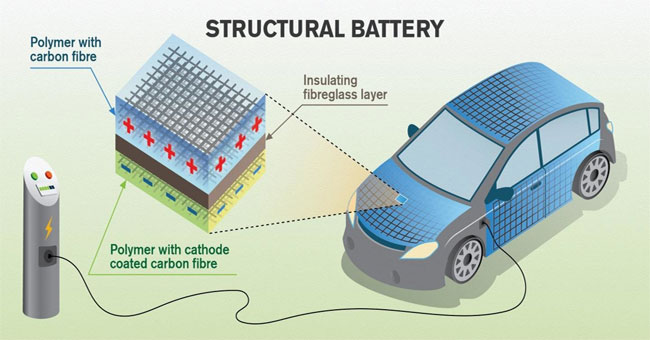
This finding opens up opportunities to create batteries with new structures, in which carbon fiber will become an important part of the energy system.