New technology
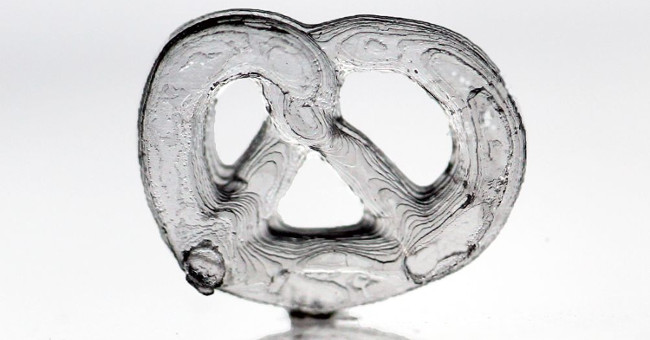
Successful 3D printing of glass, revolution of consumer goods production
German scientists have begun to research and successfully apply 3D printing technology to create small glass objects.
Browse ScienceInfo articles and explainers related to Material.
2,029 published items.
German scientists have begun to research and successfully apply 3D printing technology to create small glass objects.
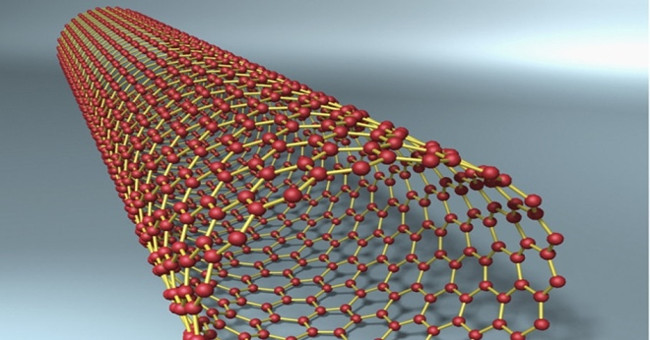
Healthy, self-healing concrete, carbon nanomaterials, color changing bricks are advanced technologies that can be widely used in the future construction industry.

You can fully grasp it
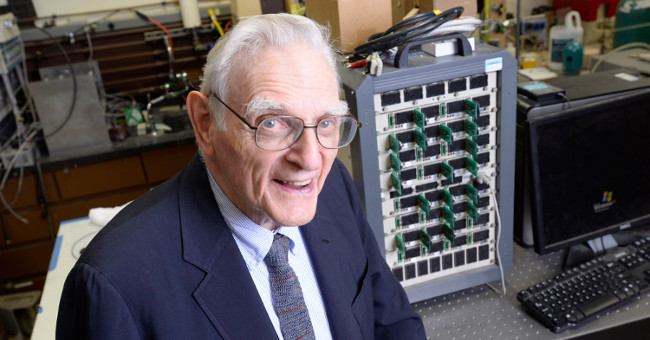
John Goodenough is an outstanding physicist, he received many compliments from the lithium battery technology invention that we use today.

Waterproof coatings seem to resist all the laws of nature. However, they are still too fragile to use in cases where there are strong external effects, whether for cloth…
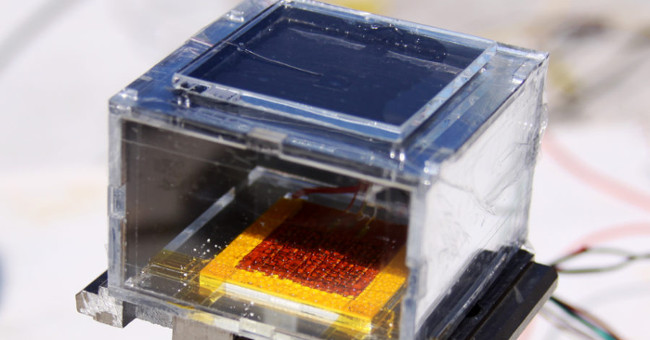
The test version only has a capacity of 2.8 liters of water per day, but the application potential is huge because the production cost is not high. Especially this devic…
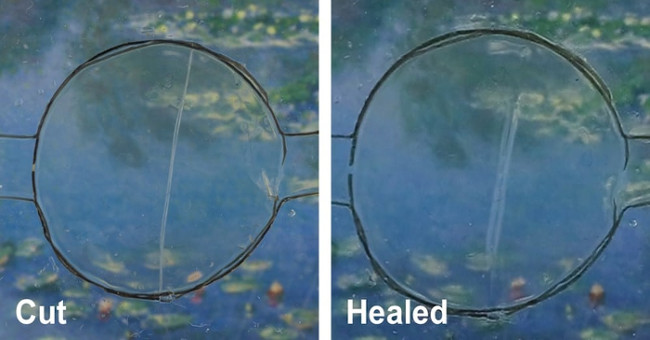
If you accidentally drop your smartphone and cause the screen to break, you'll have two options: take the screen to fix it or buy a new phone.
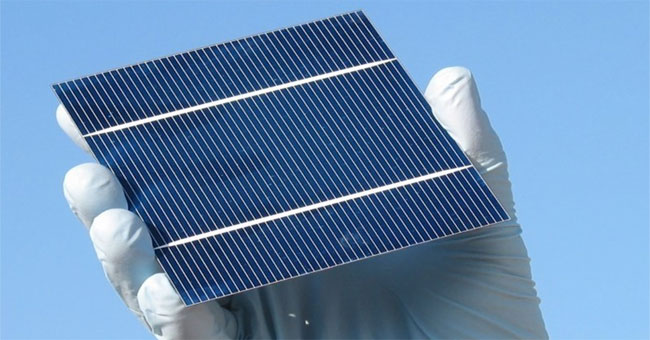
Although it has been promoted for a long time to replace fossil fuels, the contribution of solar power is still very modest.
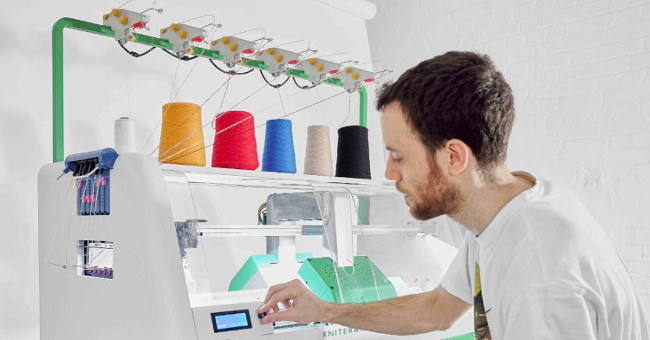
Kniterate is an electronic textile machine that allows printing digital designs into real products thanks to 3D technology. The product is currently calling for funds on…
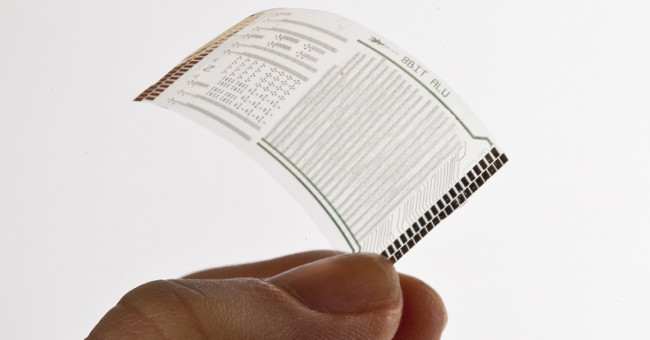
A bent phone is a target for smartphone makers. In order to produce such a device, its components need to be flexible.

This is the material based on the electrical current generated when there is a temperature difference. Just a difference of about 1 degree Celsius is enough to create a…
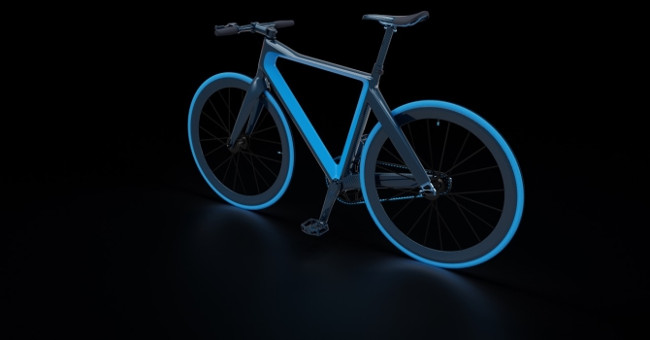
Bugatti - the French car manufacturer, famous for its multi-million-dollar supercars, has revealed a luxury bike designed by the company itself.

British scientists find a new application of the world's darkest material is to produce spray paint that absorbs 99.8% of light, turning everything into a
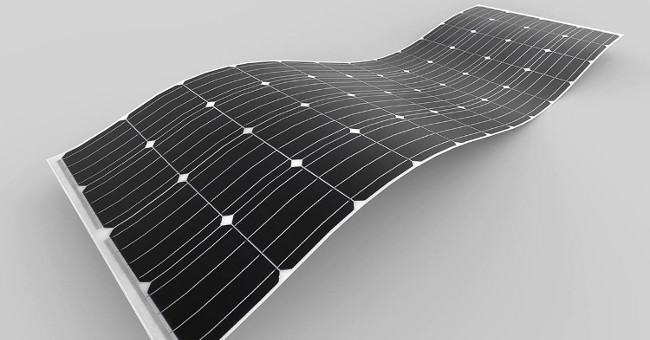
The solar panels have been designed to be much thinner. The more flexible design allows the panels to extend along the facades of buildings, on buses or in electric cars.
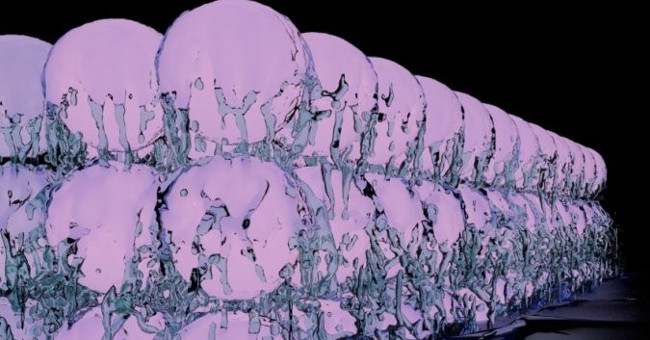
Scientists from Switzerland and the US have announced the creation of a supersolid - a strange form of material that combines solidity and superfluidity simultaneously.