Environment
Antarctic ice will melt quickly in the next decades
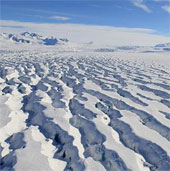
The ice melting situation in Antarctica, which is considered a leading threat to sea level rise, will continue for decades or even centuries.
Browse ScienceInfo articles and explainers related to Melting Ice.
174 published items.
The ice melting situation in Antarctica, which is considered a leading threat to sea level rise, will continue for decades or even centuries.
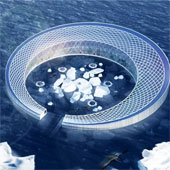
Fresh water is becoming increasingly scarce, while global warming is melting ice at the poles of the Earth.
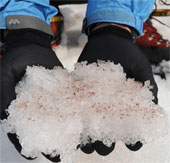
The ice layers in the Arctic are becoming less bright due to the fast melting situation associated with the warming of the Earth.
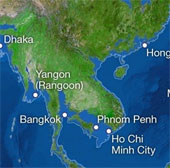
Quite a number of provinces in the North also suffer the same fate
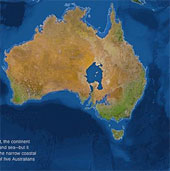
Five major Australian cities disappeared and the 'Kangaroo Land' was mixed in a sea of water the size of Ireland.
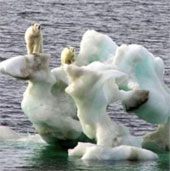
According to data from the European Space Agency (ESA) on September 11, the Arctic sea ice is continuing to decline sharply in volume, besides narrowing the area to an u…
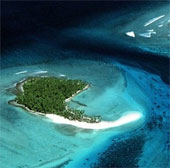
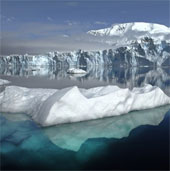
The phenomenon of melting ice to release methane in the Arctic could accelerate the pace of climate change and cause damage to up to $ 60,000 billion for the global econ…
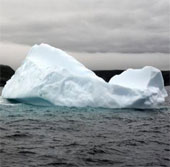
The Arctic is believed to have high-speed broadband internet, when ocean carriers, fishing and oil diverted operations to the north amid rising temperatures and melting…
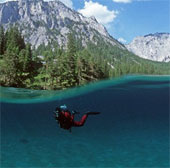
Lake Grüner See, also known as the Blue Lake, is located at the foot of the Hochschwab snow-capped mountain, near the Austrian town of Tragoss.
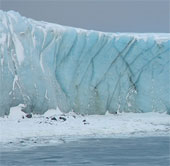
Scientists have long known that ice shelves are melting and that the cause of this phenomenon is due to shattered icebergs off the continental shelves.
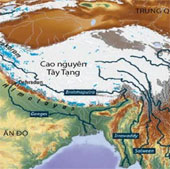
In addition to the north and south poles of the Earth, there is another place called
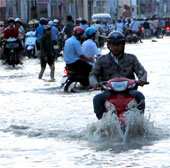
If the sea level rises by one meter by the end of this century, more than 20% of Ho Chi Minh City is in danger of being submerged in the country, the Ministry of Natural…
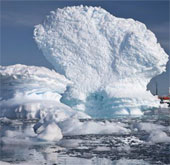
According to a study published April 15 by scientists, Antarctic ice is melting at the fastest rate in 50 years and 10 times faster than 600 years ago.
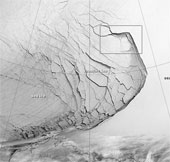
Large currents, many of which are up to 500km long and 70km wide, have opened on frozen sea surfaces from Alaska to the Arctic islands of Canada as huge ice sheets break…