Environment
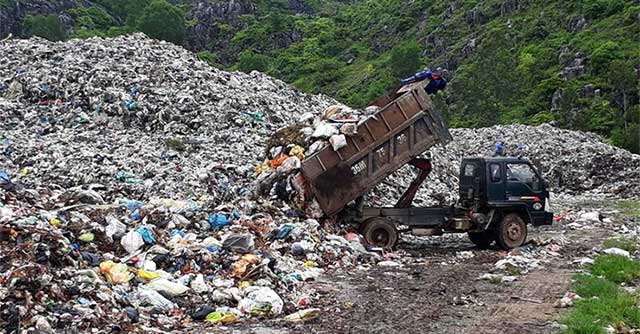
Landfills are destroying the Earth
Research shows that landfills are a much bigger contributor to climate change than we thought.
Browse ScienceInfo articles and explainers related to Methane.
202 published items.
Research shows that landfills are a much bigger contributor to climate change than we thought.
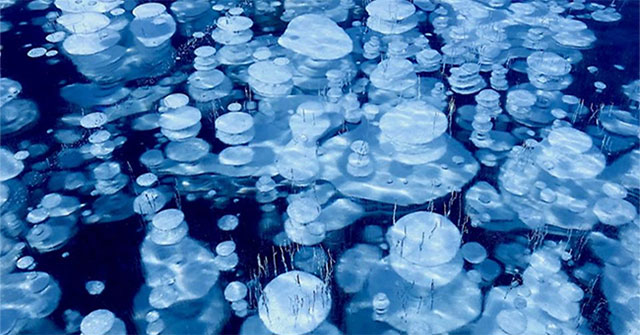
Nestled amidst the snow-capped landscape of the Rocky Mountains in Alberta is Abraham Lake, a reservoir famous for its unique and mesmerizing phenomenon - frozen bubbles.
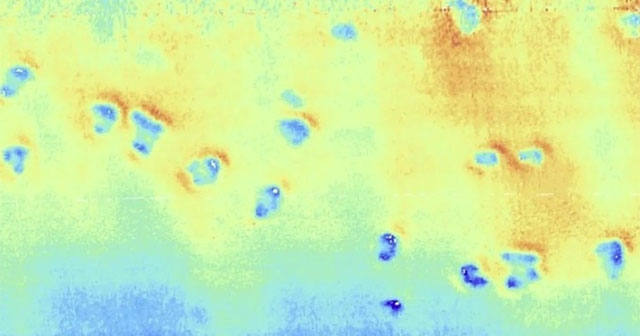
Holes ranging from a few meters to 60 meters wide scattered across the seabed off the coast of Germany were initially thought to be formed by methane gas, but were actua…
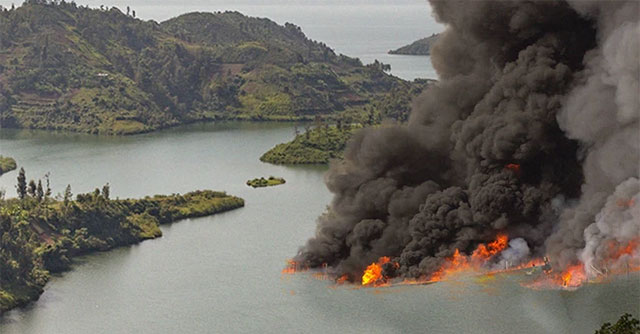
This lake is one of the strangest waters in Africa. An unusual set of properties makes it an intriguing subject for scientists.
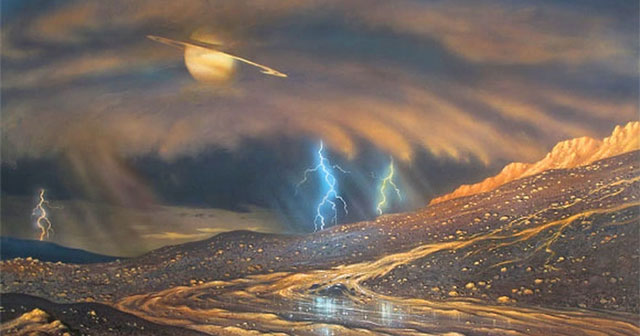
How does rain occur and what is the shape of the planets in the Solar System? Let's find out in the article below.
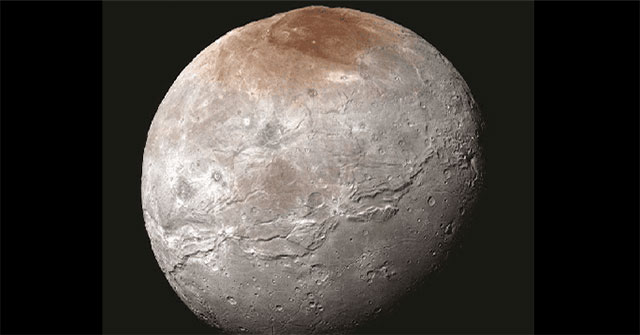
Scientists have found out why the North Pole Charon - Pluto's moon - is tinged with a ghostly red-brown color.
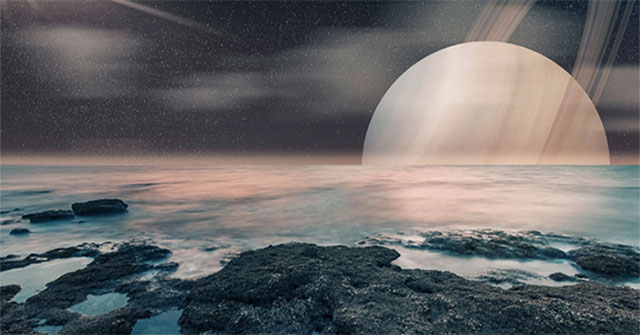
Unexpectedly, the moon Tithane, Saturn's moon, contains more combustible gases than Earth. However, if they accidentally caught fire, what would be the result?
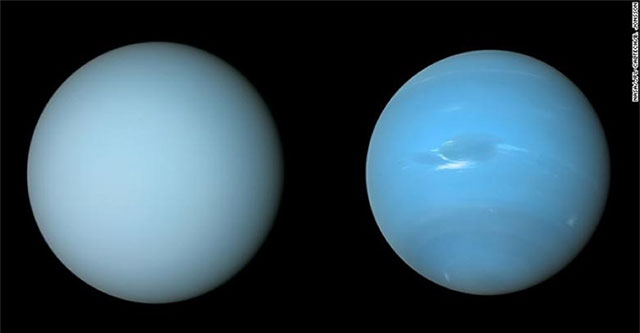
Neptune and Uranus are so similar that scientists sometimes call these distant planets 'twins'. However, these two ice giants have a big difference in color.
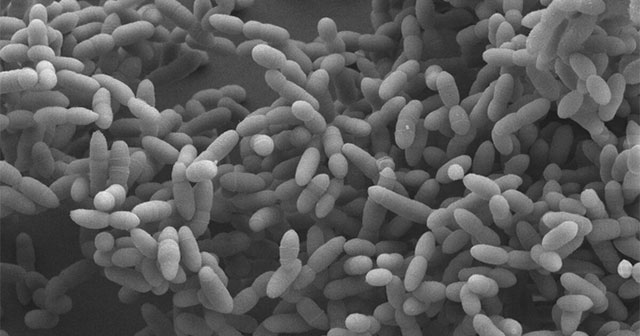
The planet Earth billions of years ago had biological power plants... that you had to use a microscope to see.

Scientists propose drilling 'Gateway to Hell' in central Turkmenistan to extinguish the crater that has burned for decades.
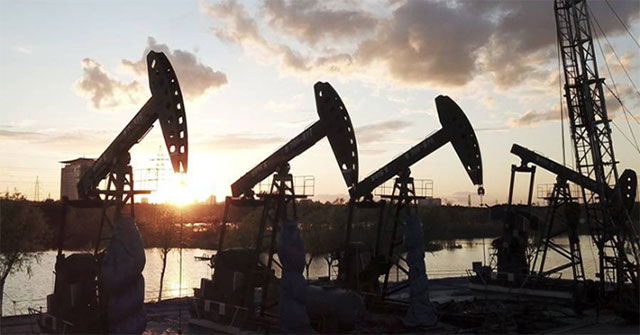
Scientists have found a bacterium that can directly digest crude oil and produce methane gas, making mining more efficient.
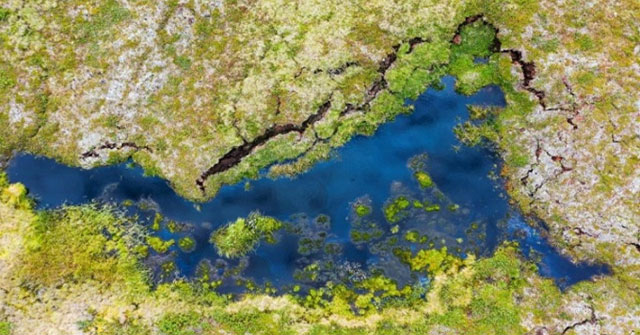
Permafrost melting due to global warming brings with it many threats such as the release of greenhouse gases, fractured infrastructure and changing landscapes.
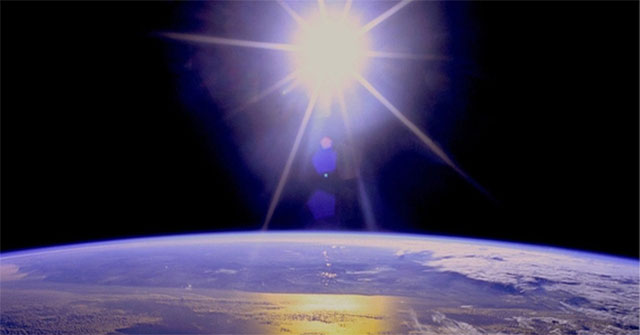
In addition to traditional clean energy sources, scientists have researched and proved that many new sources of energy could be the trend in the future.
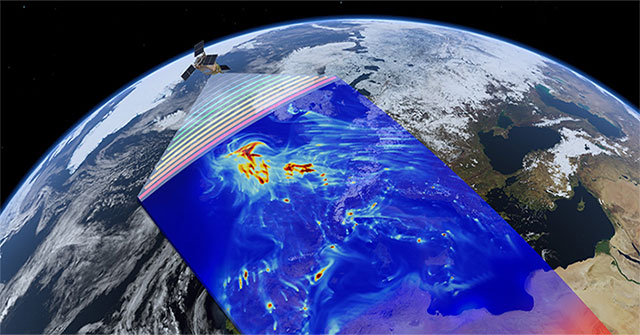
For the first time a global air pollution monitoring satellite has detected and measured the amount of methane leaking from an explosion of a gas well in Ohio.
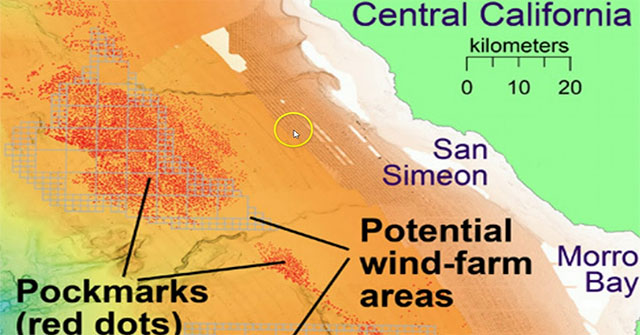
Experts have been struggling to find the answer to the appearance of thousands of strange holes in the sea floor off the coast of California, USA.