Animal world
Increased temperatures make migratory birds late
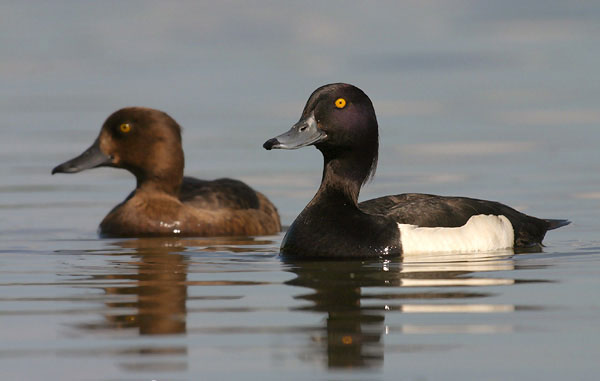
According to scientists, geese, ducks and swans often experience winter in the Northern European wetlands recently changing their migration trend due to rising temperatu…
Browse ScienceInfo articles and explainers related to Migration.
160 published items.
According to scientists, geese, ducks and swans often experience winter in the Northern European wetlands recently changing their migration trend due to rising temperatu…
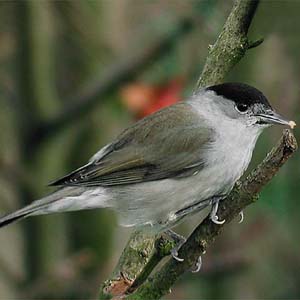
Mankind has known the habit of migrating to the south in the winter of birds, but how they achieve that ability is still an unanswered question.
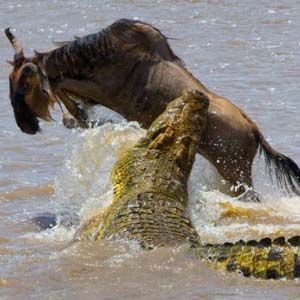
As the herd crosses the river in Masai National Park in Kenya during the annual migration, the wildebeest always face the danger of starving wild crocodiles.
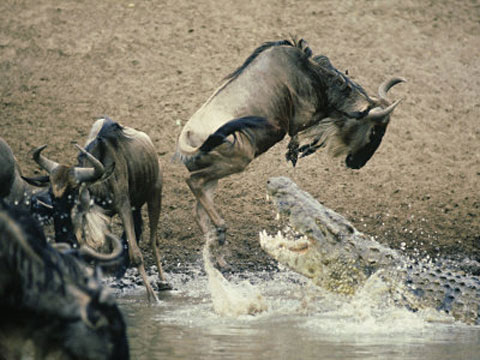
In the annual migrations from Tanzania's Serengeti meadow to Kenya's Masai Mara sanctuary, antelopes and zebras must cross a river full of crocodiles.
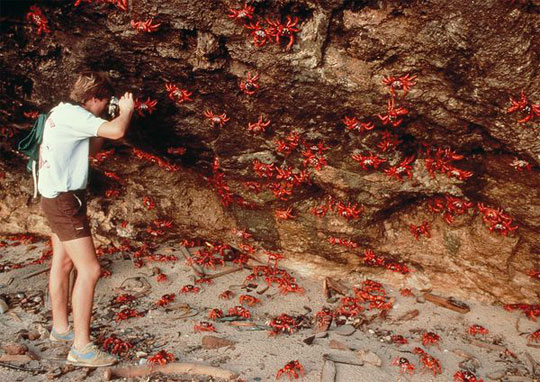
By sampling the 'blood' in the red crab's body, Turner and his colleagues discovered that the rise of hyperglycemic crustacean ...

The lives of migratory birds are hard. During the long ten thousand kilometers of relentless migration, did they sleep? Probably didn't sleep, they couldn't fly that far.

Leatherback turtles travel more than 20,000 km to feed, and the Arctic terns often cross the road more than 80,000 km to change their accommodation.

When winter comes, the sky at Gretna Green on the Scottish border is densely packed with wintering birds and these birds have created unexpectedly funny shapes.
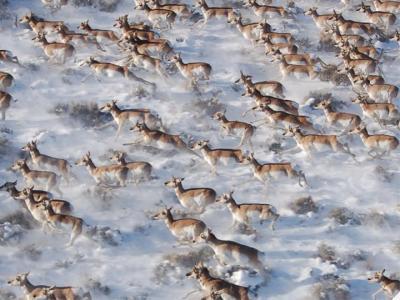
The herds of wildebeest like the crowded waterfall in the Serengeti field, bison crowded together along the northern plains - these iconic images interfered with the Hol…
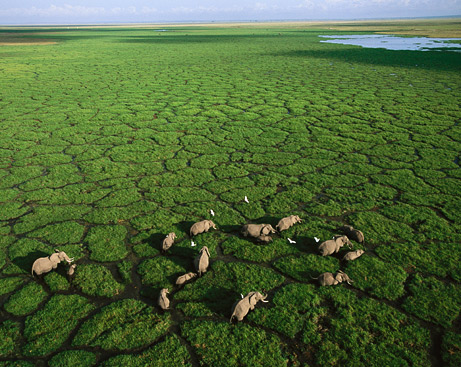
A quarry, which is using explosives in Kenya's Amboseli National Park, could threaten the migration corridors of elephants and other wildlife, according to conservationi…

The migratory bird's route will be longer, according to the first study on the impact of climate change on migratory birds. The migration distance of some species may in…
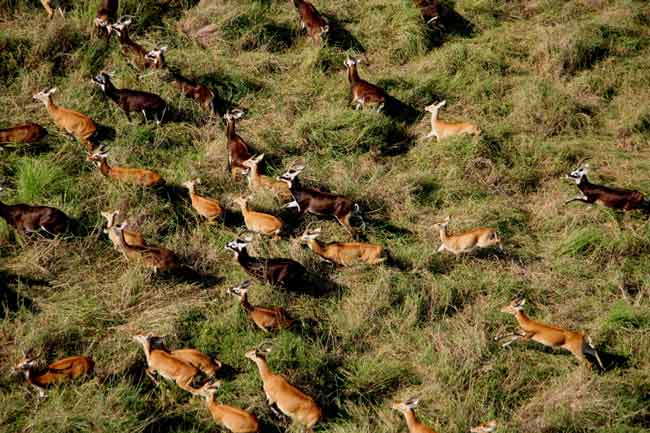
Africa is known as the place where spectacular animal migration takes place. However, the new study shows that migration on this continent will gradually disappear.
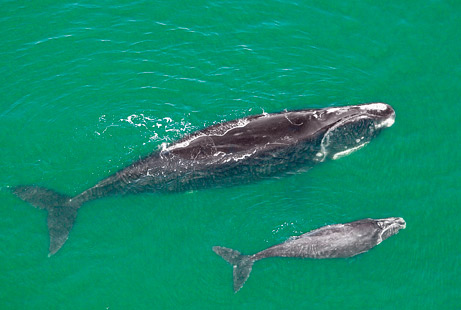
Experts say they have detected the kind of sound signal that calls each other of the North Atlantic blue whale in a sea that used to be where whales live.
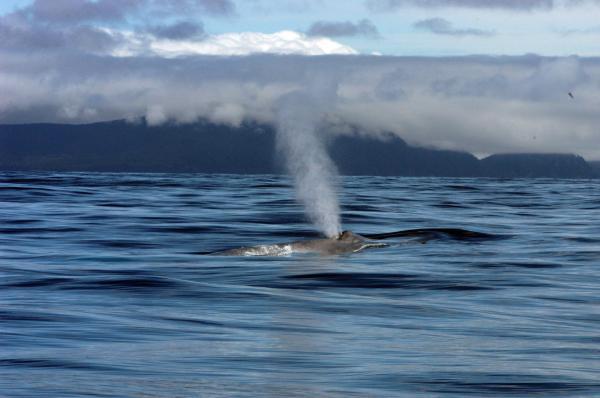
The largest animal on the planet may be returning to the breeding area before whaling.
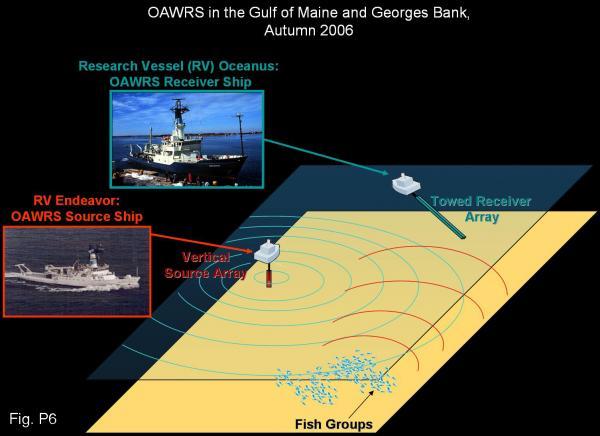
For the first time, engineers at MIT observed the beginning of a centralized migration event involving hundreds of millions of animals.