Health
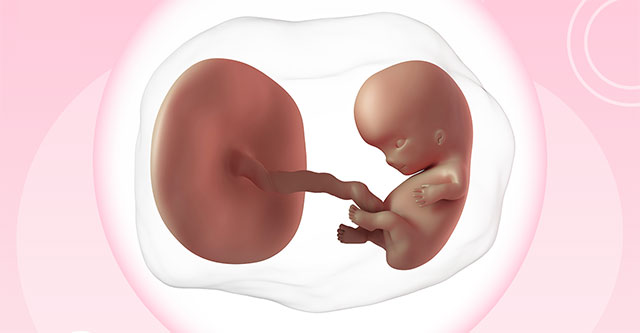
Chinese scientists built a 3D model of a 2-3 week old human embryo
Scientists have studied the activity of signaling pathways along the embryonic axis to understand more about miscarriages and embryonic disorders in the early stages of…
Browse ScienceInfo articles and explainers related to Miscarriage.
32 published items.
Scientists have studied the activity of signaling pathways along the embryonic axis to understand more about miscarriages and embryonic disorders in the early stages of…

Scientists have found that miscarriages are often caused by the wrong number of chromosomes, also known as 'selfish chromosomes'.

Many people think that sitting up on the stomach is pretty much the way to quickly have a standard body
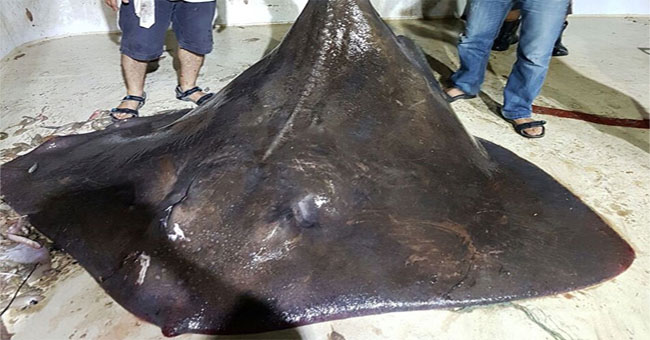
The loss of a miscarriage due to abortion when caught is a phenomenon that has not been reported, often confused and not well understood.

On June 4, which means that exactly one day before the full moon, the moon will approach the point - the closest position to the Earth on its elliptical orbit. Then the…

African bitches know how to self-prevent pregnancy when pregnant for a few weeks in the event that a new male monkey has appeared to prevent the predecessor of the prede…

Pregnant elephants are very rare, and elephants that have miscarried are not heard. So the female elephant named Y Kham of the Ma Nia family suffered a miscarriage - the…

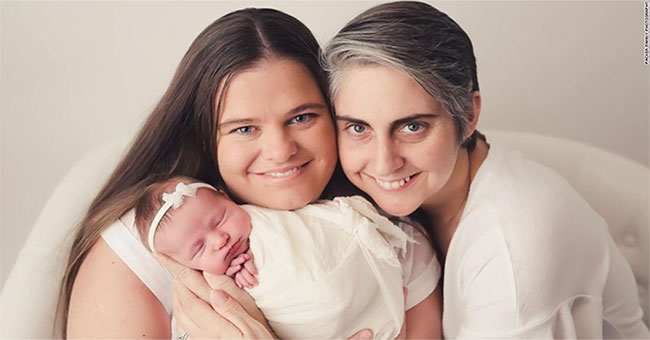
Seven embryos, three miscarriages and 1,616 injections lasting four years, the family of O 'Neills happily welcomed London's daughter.
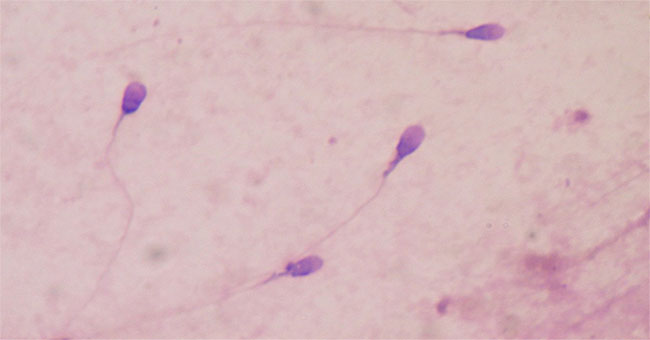
Researchers at the University of Toledo found that male sperm provides two centrosomes during fertilization and although they have the same function, they are structured…
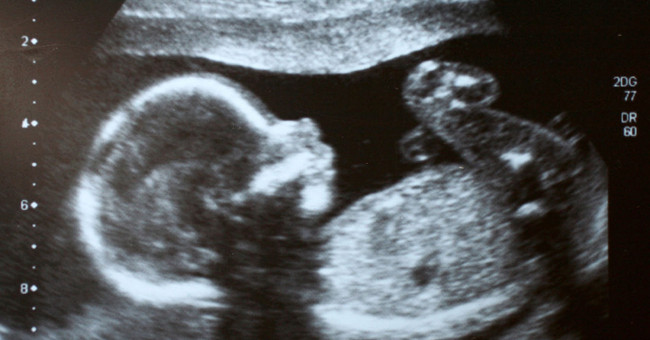
Scientists believe that the number of birth defects and miscarriages worldwide may be significantly reduced if pregnant women supplement vitamin B3.

Supplementing vitamin B3 in the diet of pregnant women can help overcome some defects at the molecular level, which causes birth defects in the fetus and miscarriage.
RSA is defined as a woman who experiences 3 or more miscarriages during the first 5 weeks of pregnancy. It is estimated that one in every 100 pregnant women will experie…

A new study shows a link between low vitamin E levels and high rates of miscarriage.
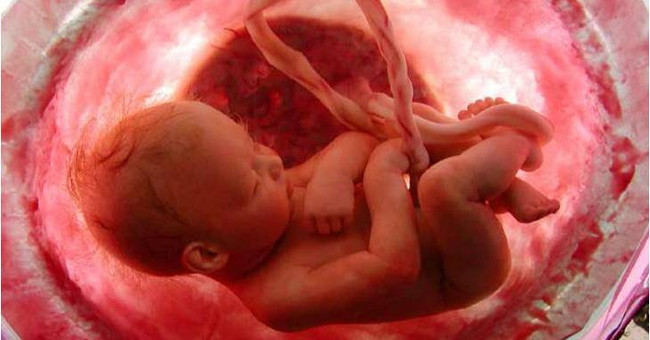
Concerning about dangerous amniocentesis may be a potential risk of miscarriage, a Hong Kong professor has developed a blood test for diagnosing prenatal genetic syndrom…