Space science
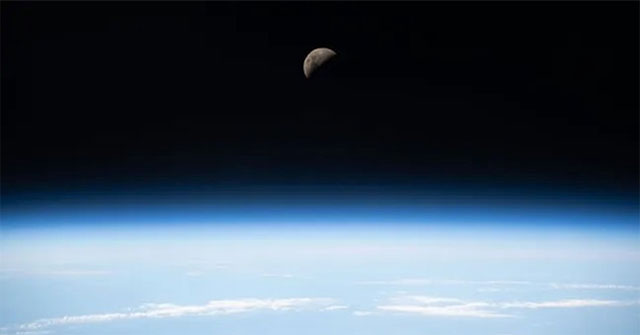
The moon begins its total eclipse orbit in 2024
The moon was obscured by the Earth at dawn on March 25. It will then completely obscure the Sun on April 8.
Browse ScienceInfo articles and explainers related to Moon.
1,903 published items.
The moon was obscured by the Earth at dawn on March 25. It will then completely obscure the Sun on April 8.
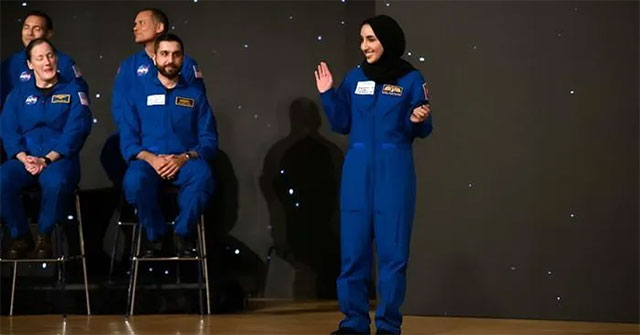
Nora Al Matrooshi, 30, became the first Arab woman to graduate from the US Aeronautics and Space Administration (NASA) training program.
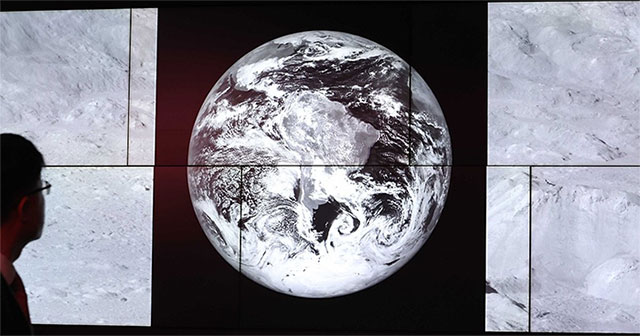
Over the past two decades, research on the Moon has revealed the rich resources on Earth's natural satellite.
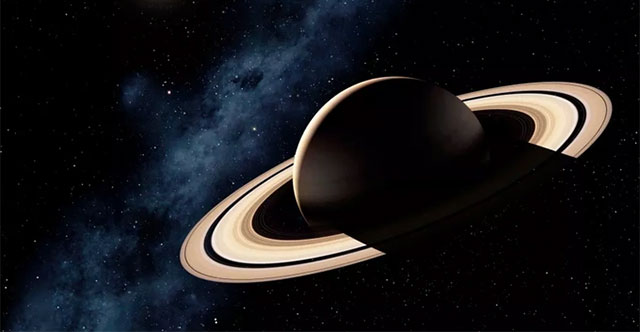
Saturn's beautiful rings may have been formed in a way no one expected.
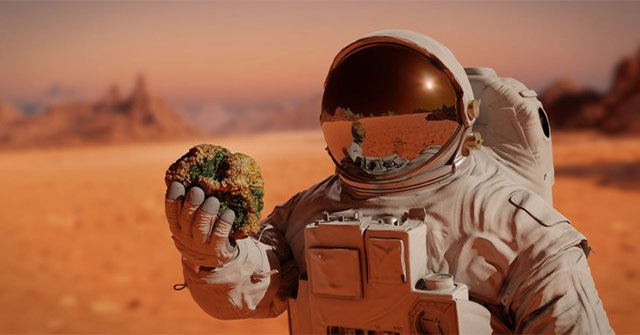
Many researchers are trying to figure out how to make materials on Mars, and a new study has found a way to make titanium alloys using the regolith (topsoil) of Mars.
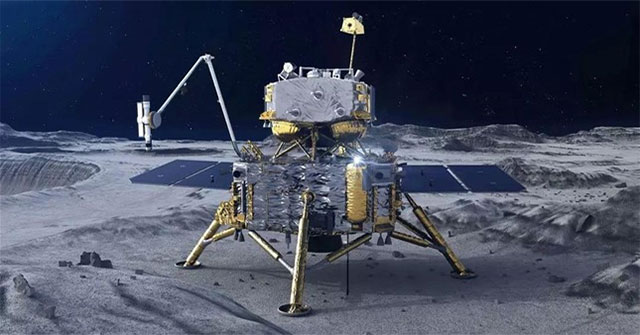
China has approved a plan to conduct three unmanned flights to the Moon, after discovering a new mineral on the Moon that could be a future source of energy.

The story of the most powerful SLS rocket in NASA history - if understood deeply - can make more people love it!
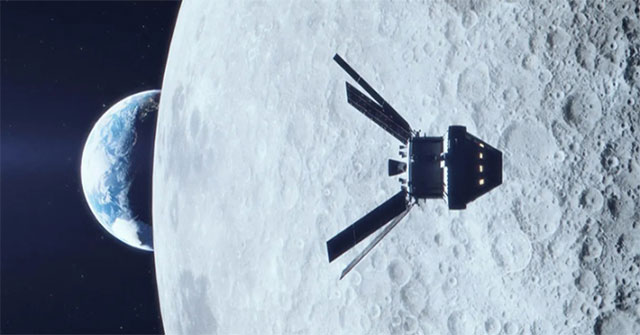
The first flight of the Artemis lunar exploration program will include a series of science experiments to prepare for future missions.
Yeast is a very common single-celled microorganism thanks to its very high application in human life. There are thousands of species of yeast that are scientifically doc…

Needless to say, many of us may already know that in the near future, if humans live on Mars, the Moon or on any planet in distant space.
The Artemis program is an American aerospace project with the goal of returning humans to the Moon by 2024.
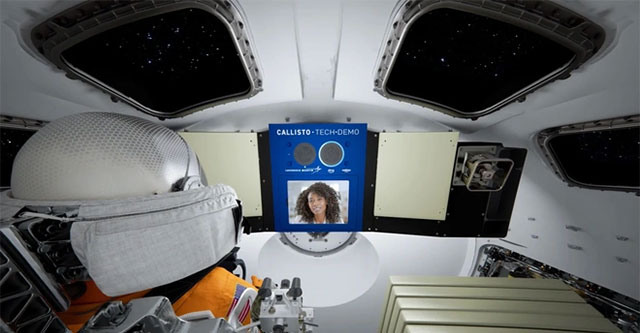
NASA will equip an iPad on the Artemis 1 flight to test the voice assistant system, assisting astronauts on the mission back to the Moon.

The Artemis 1 lunar mission - the US project 'paving the way' for the return of humans to the Moon in 2024 - is about to take off later this month.

The galaxy has always been an extremely mysterious and fascinating concept, in which extremely rare events, sometimes every few decades, appear.
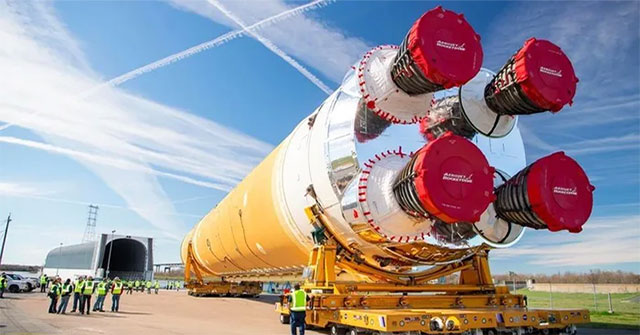
The event the US launches super rocket SLS is about to take place. It is expected that hundreds of thousands of people will see this historic moment with their own eyes.