
Space science
Activate the radio telescope in the dark area of the Moon
China and the Netherlands work together to operate a radio observatory in a satellite orbiting the Moon's dark side in order to receive signals after the Big Bang.
Browse ScienceInfo articles and explainers related to Moon.
1,903 published items.
China and the Netherlands work together to operate a radio observatory in a satellite orbiting the Moon's dark side in order to receive signals after the Big Bang.
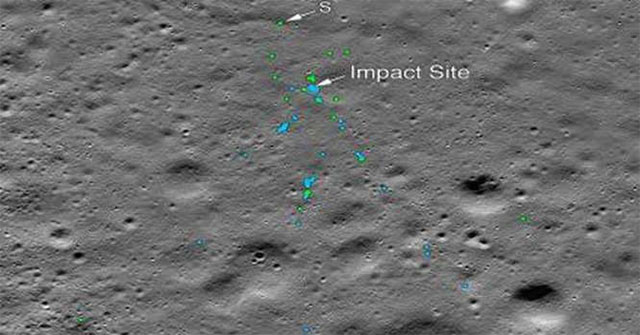
The US space agency said on Monday that it had found the Vikram lander that crashed on the Moon in September this year.

Two mannequins called Helga and Zohar will join this trip and will go further than any previous human on a spaceship.
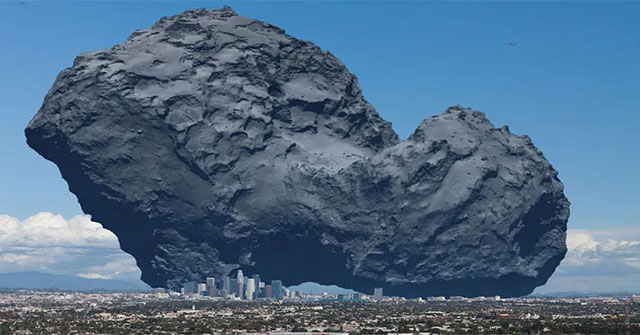
If you still think it is quite easy for humans to conquer the Moon, you need to know that we can put every planet in the Solar System between the Earth and the Moon, and…
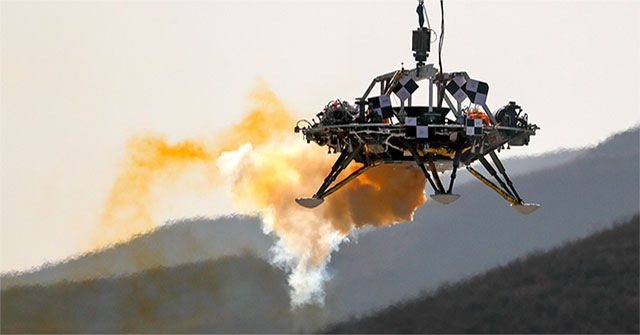
The landing station, due to launch next year, passes the hovering test and avoids obstacles in Hoai Lai, Hebei province, on November 14.
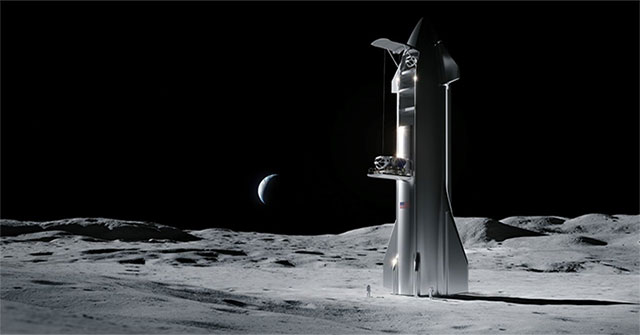
The pair of Starship and Super Heavy spacecraft are likely to be selected for NASA's lunar mission.

Despite many achievements in the field of science and technology, many people still think that the US spending money for NASA is a waste.
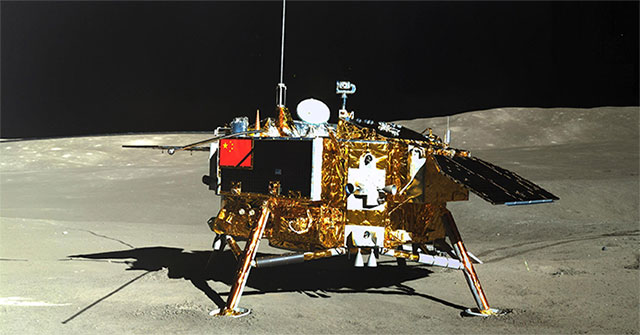
Establishing the Earth-Moon economic and trade zone, China has gradually realized the Moon plan.
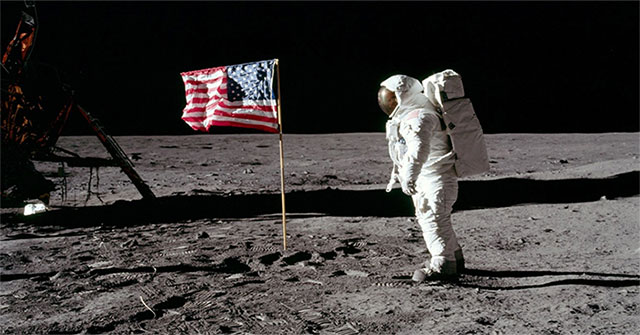
For the first time, scientists from the US Aerospace Agency (NASA) will have the opportunity to access some of the samples taken by the Apollo 17 spacecraft from the Moo…
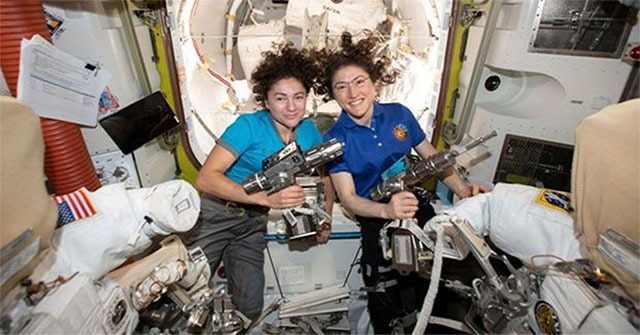
Astronauts Christina Koch and Jessica Meir shared their dreams of walking on the Moon after setting a record as the first team of NASA astronauts to walk in outer space.
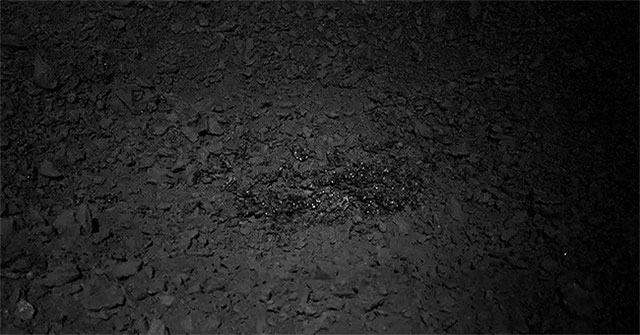
Chinese scientists have published a new image of the mysterious material found on the lunar surface, which has puzzled the scientific community for weeks.
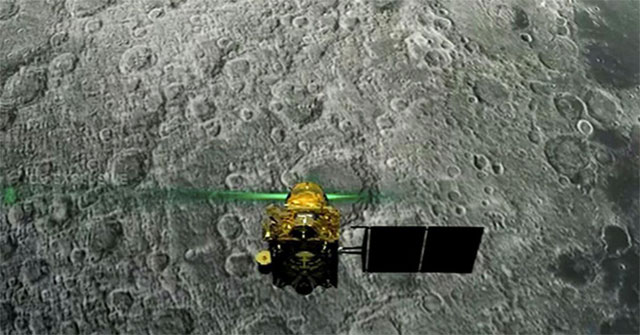
The lander was launched by the Indian Space Research Organization (ISRO) in July in an accident, but the wreck has yet to be found.
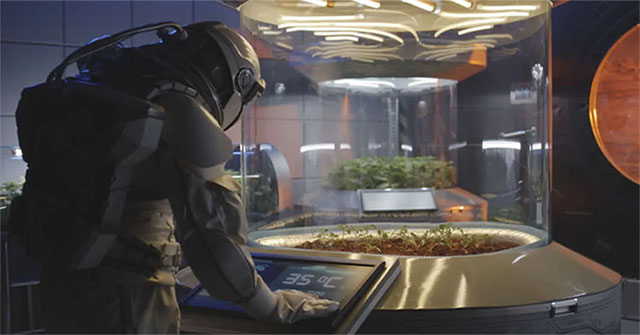
If we are going to set up permanent bases on the Moon or Mars, we need to think of ways to make our own food.
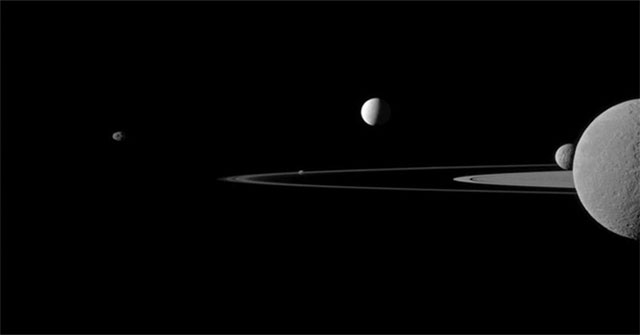
NASA's impressive image of galaxies, nebulae and countless other objects in the universe as a reminder of the smallness of the Earth compared to the outside world.

Astronomers at the Carnegie Institute of Science have discovered just 20 new moons of Saturn using the Subaru telescope in Hawaii.