Space science
Vietnam is about to welcome the second 'super moon' in 2020
In this appearance, the Moon will reach its maximum size at 0:48 minutes on March 10.
Browse ScienceInfo articles and explainers related to Moon.
1,903 published items.
In this appearance, the Moon will reach its maximum size at 0:48 minutes on March 10.
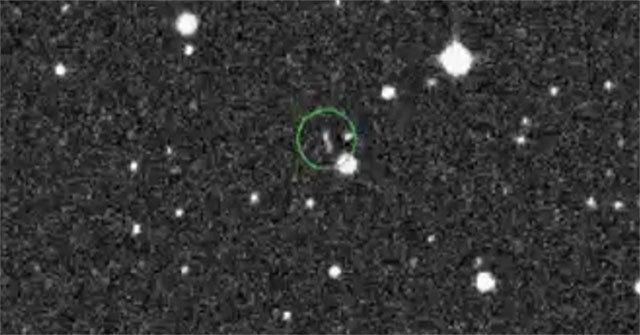
The small asteroid 2020 CD3 is temporarily turning into a new natural satellite of the Earth.
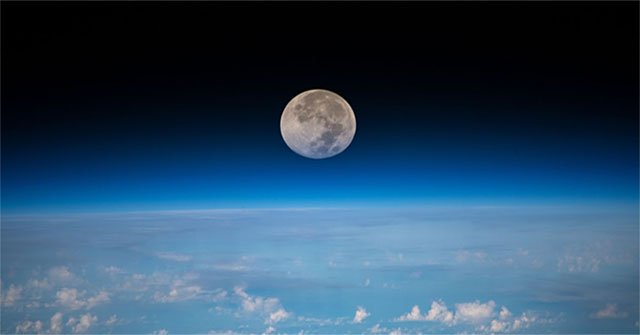
Scientists have discovered electricity in the outermost atmosphere of the Moon as it enters the affected area of the Earth's magnetosphere.

Apollo 13 was one of NASA's most extraordinary lunar missions to be carried out in 1970.

The rock samples seem to be coalesced from heterogeneous debris, likely formed from a meteorite impact or from the original Moon's crust.
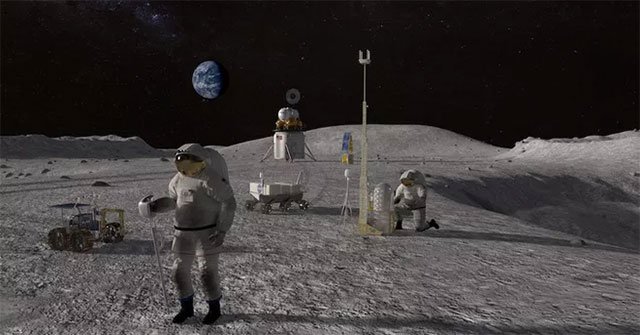
In the past, there were not many salty investors, but the seemingly unrealistic projects like flying into space or landing on the moon. But now it's different.
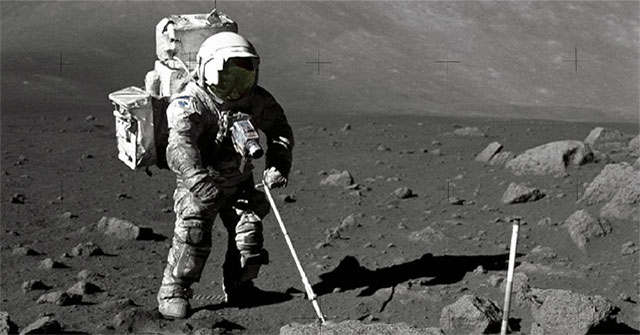
Analyzing dust sticking on astronauts' gloves, the researchers found iron, water and helium in moon dust.
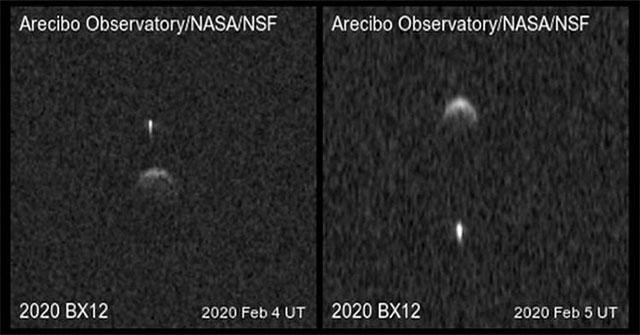
Scientists discovered that 2020 BX12 is a binary asteroid with a smaller rock orbiting a larger rock.
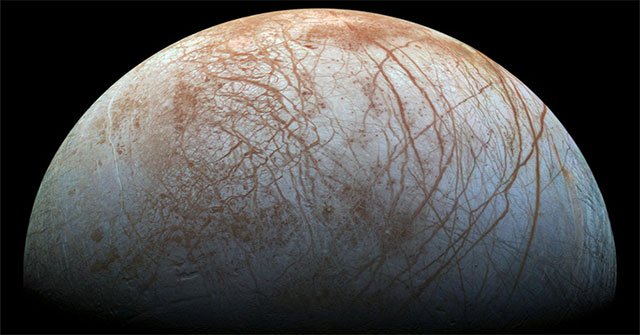
A planetary scientist said that beneath the sea ice of Europa, the moon of Jupiter's life may be octopus-like creatures.
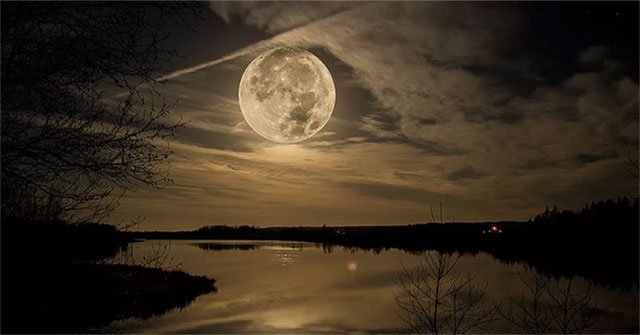
February is a good time to look at the sky with bright planets and the appearance of a supermoon, peaking on February 9.
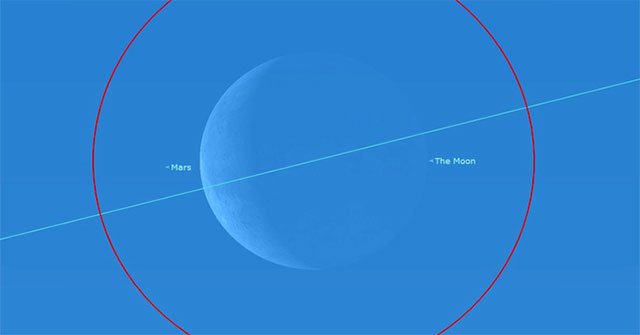
A strange solar eclipse in which the moon does not eat the sun, but ... Mars is one of many strange phenomena that dominate the sky in February.
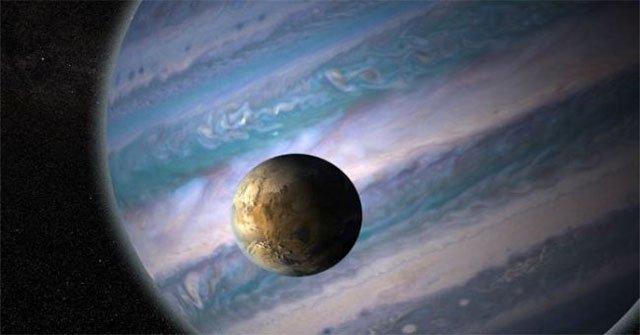
In 2019, astronomers have caught many strange and unimaginable exoplanets, far different from every object in the Solar System.

On January 30, Japanese billionaire Yusaku Maezawa decided to cancel the plan to find a partner to accompany him on the Moon.

20,000 women applied to become girlfriends to fly to the Moon with Japanese billionaire Yusaku Maezawa.