
Biology
Monstrous defense mechanism of moths
In order to deal with an ancient enemy, moths have developed an incredible defense mechanism: using genital organs to release ultrasound waves.
Browse ScienceInfo articles and explainers related to Moth.
770 published items.
In order to deal with an ancient enemy, moths have developed an incredible defense mechanism: using genital organs to release ultrasound waves.

Associate Professor Truong Xuan Lam said that blood-sucking bugs are a blood-sucking insect so its injection makes people uncomfortable, wide allergy, even fever, especi…
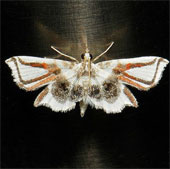
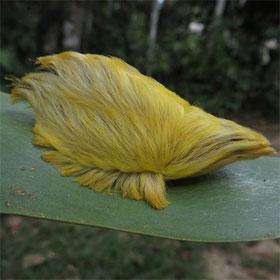
The photographer specializing in natural life Jeff Cremer and biologist Phil Torres has been able to get this rare moth in the Amazon rainforest ...
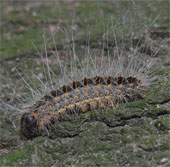
Thaumetopoea processionea moth usually lays eggs in European oak forests. Caterpillars eat the leaves of oak to grow. Their hairs contain toxins so they can cause itchin…
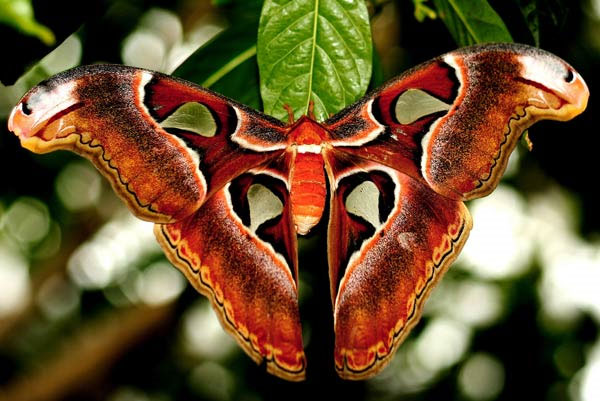
Mr. Nguyen Van Can in My Thanh hamlet (Nhon My commune, Ke Sach district, Soc Trang province) said that in recent months, dozens of giant starter butterflies don't know…
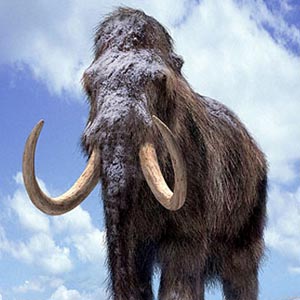
Scientists from Kinki University (Japan) announced that this year will start the mammoth resurrection program.

Entomologist Richard Jones has introduced a unique and exotic insect collection with incredible records ...

Researchers from the University of Manitoba (Canada) are conducting experiments from DNA samples to revive extinct mammoths.

The 3-millimeter, 'tiny' caterpillar, lives at Hembury Woods, Devon, England, officially recognized as an 'unprecedented animal'.

A photographer was stunned to see the strange animal on the log in the garden.
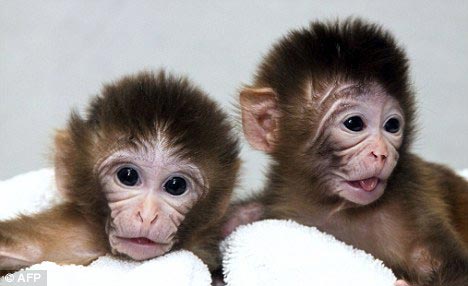
According to the August 27 issue of DailyMail, US scientists took advantage of IVF technology to successfully modify the genetic defects of DNA. They created four health…

An international team of researchers extracted large amounts of DNA from the feathers of two permanently preserved mammoths in Siberia.
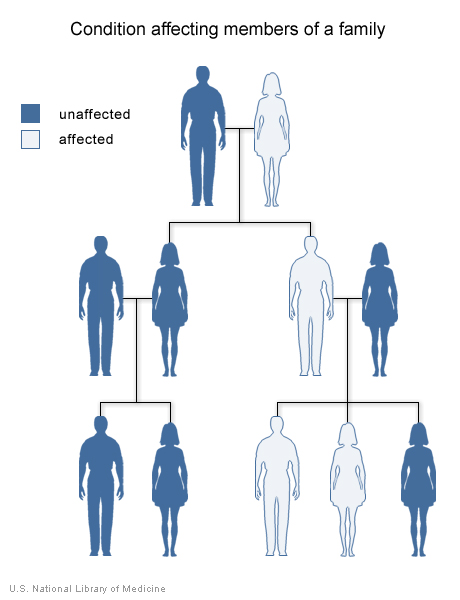
How is your child's 'genetic destiny'? Does diabetes have a genetic background in your family?
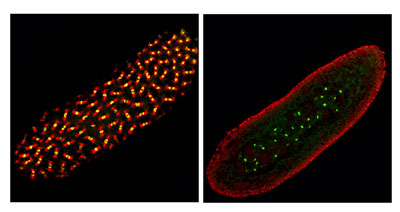
Many groups of bacteria are known as 'male killers' - they only kill male elements in the host species.