Space science
Discovering asteroids that are about to fly close to Earth
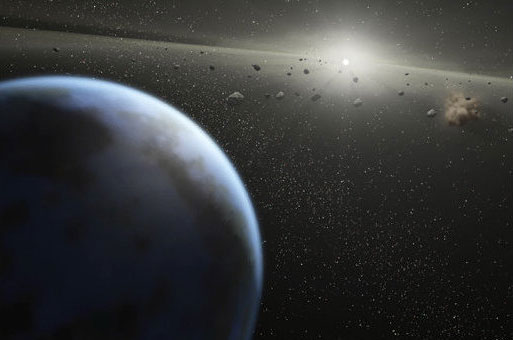
An asteroid of the same type as the object that caused the Tunguska explosion in 1908 will fly over Earth in 2013.
Browse ScienceInfo articles and explainers related to NaSa.
3,231 published items.
An asteroid of the same type as the object that caused the Tunguska explosion in 1908 will fly over Earth in 2013.
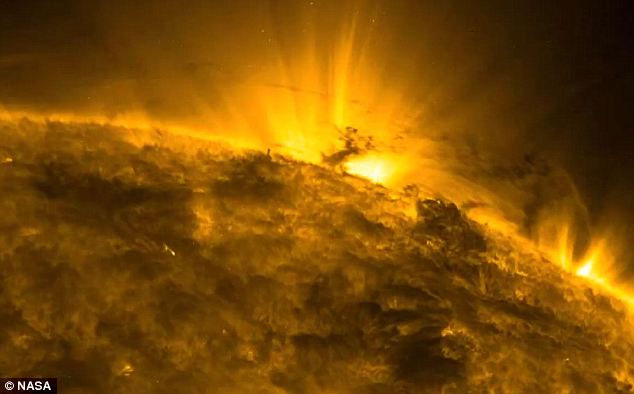
NASA's Solar Dynamics Observatory satellite captured a giant storm moving through the sun.

Thanks to NASA's Spitzer telescope, astronomers have discovered in space space fullerenes or solid-state carbon atoms that were previously found only in gases.
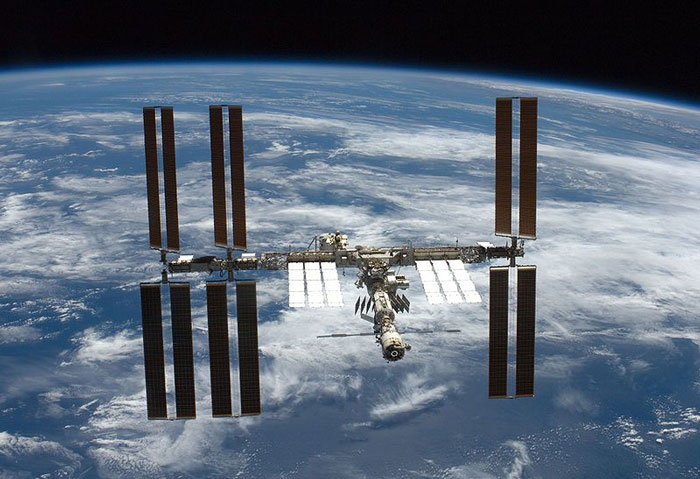
In the laptop of the US Aeronautics Agency (NASA) last year contained instructions for controlling the International Space Center (ISS), NASA's inspector general has jus…
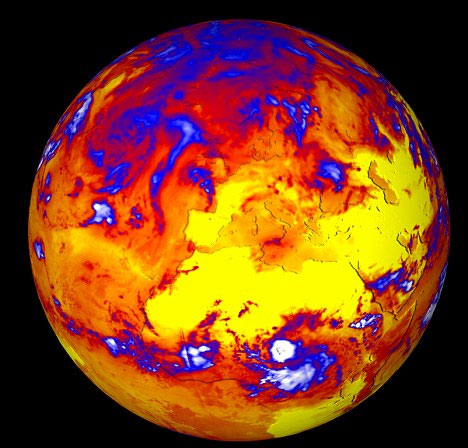
International ocean and satellite experts have deciphered one of NASA's biggest mysteries - where does the sun's energy go down to Earth?
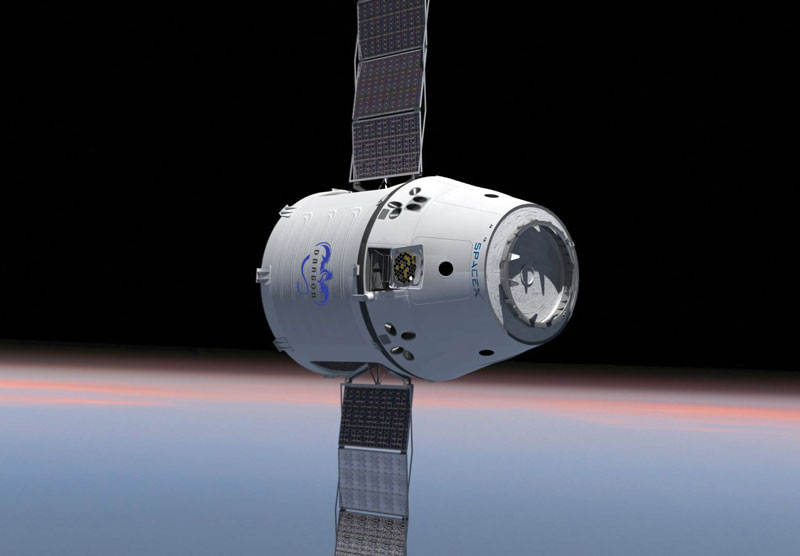
AFP reports the NASA space aeronautics agency, said the first test flight of a commercial spacecraft to the International Space Station (ISS) may take place at the end o…
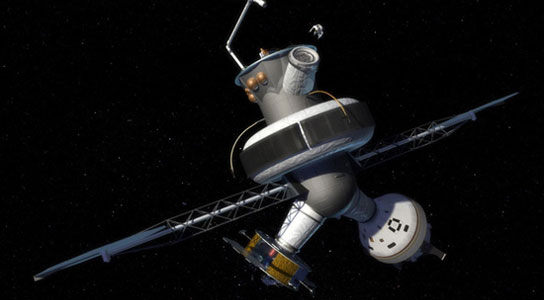
The US Aerospace Agency (NASA) is urgently researching to set up an outpost with people looking after the moon - a move that could put pressure on international partners…
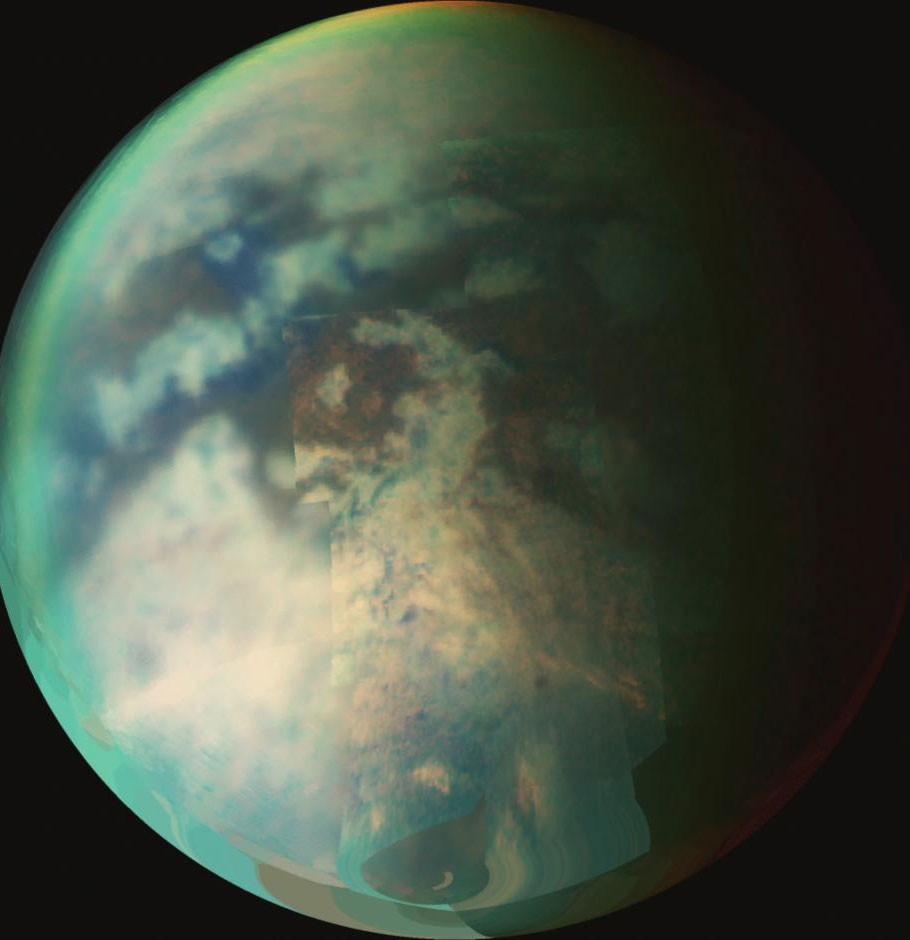
Scientists from the US and European aerospace agencies (NASA and ESA) announced on January 25 details of the giant sand dunes at Titan, the largest moon of Saturn, contr…
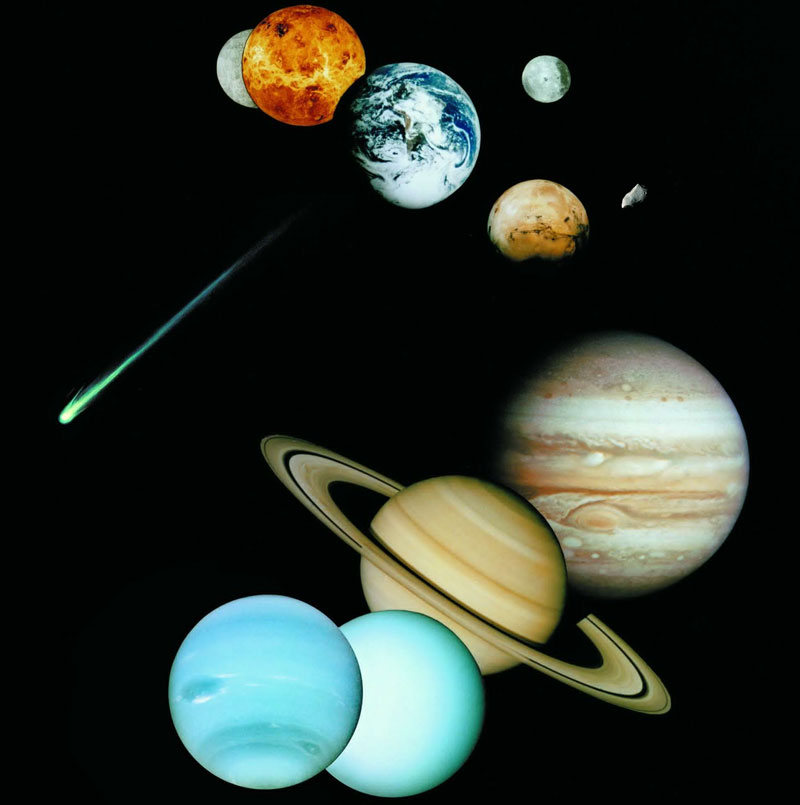
The National Aeronautics Agency (NASA) on January 26 said the Kepler telescope has discovered 11 new planetary systems that contain 26 planets.
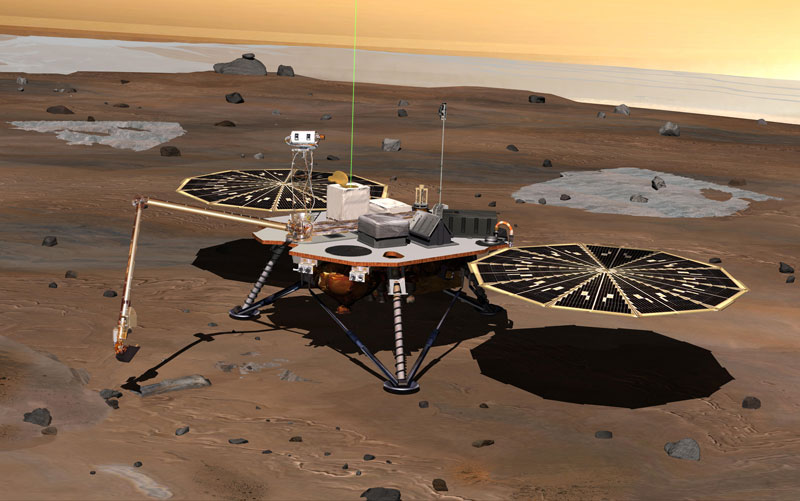
The US Aerospace Agency (NASA) is considering ambitious plans to bring people back and forth to Mars, moving forward to bring people to settle permanently on other plane…
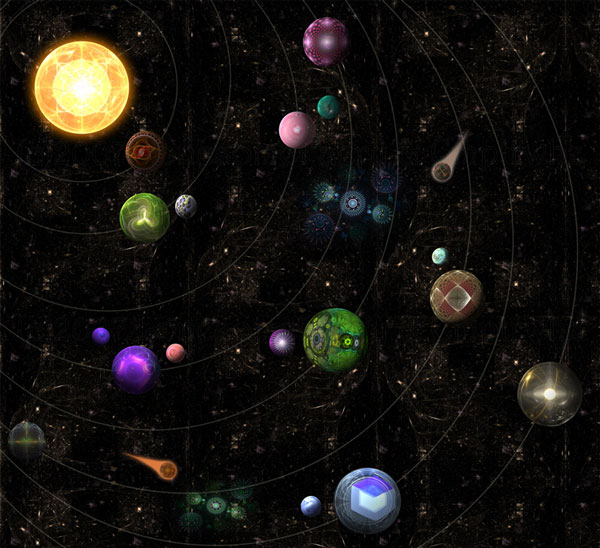
According to AP, scientists from the US Aerospace Agency (NASA) on January 31 said that the universe outside our solar system is different and strange than one might thi…
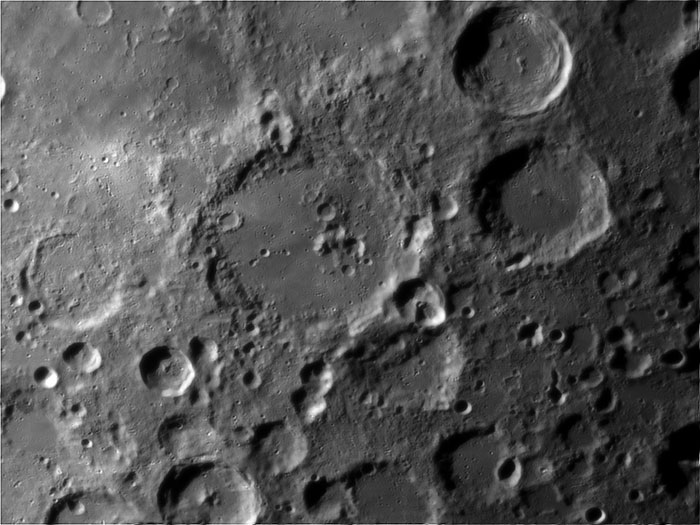
The probe of NASA's Space Aeronautics Agency (NASA) has just sent back to Earth the first image on the Moon's surface that shows many giant craters - reported on CNN on…
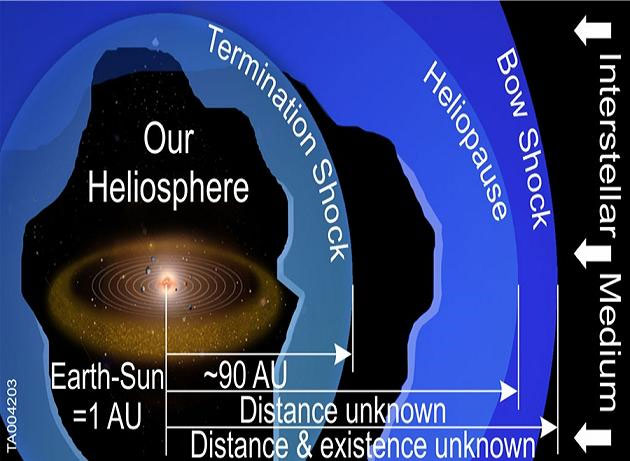
NASA's interstellar zone exploration program (IBEX) has obtained the best and most complete view ever of what is outside our solar system. New measurements provide clues…
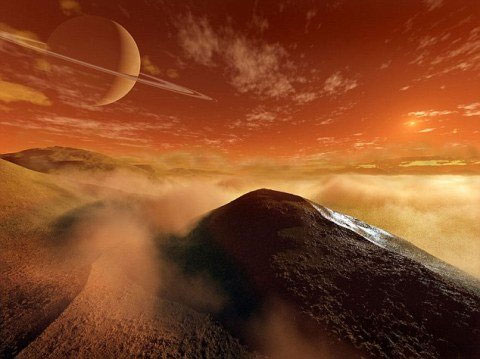
The sand dunes on the surface of Titan, Saturn's moon, are shaped like sand dunes, even very much like the deserts on Earth.
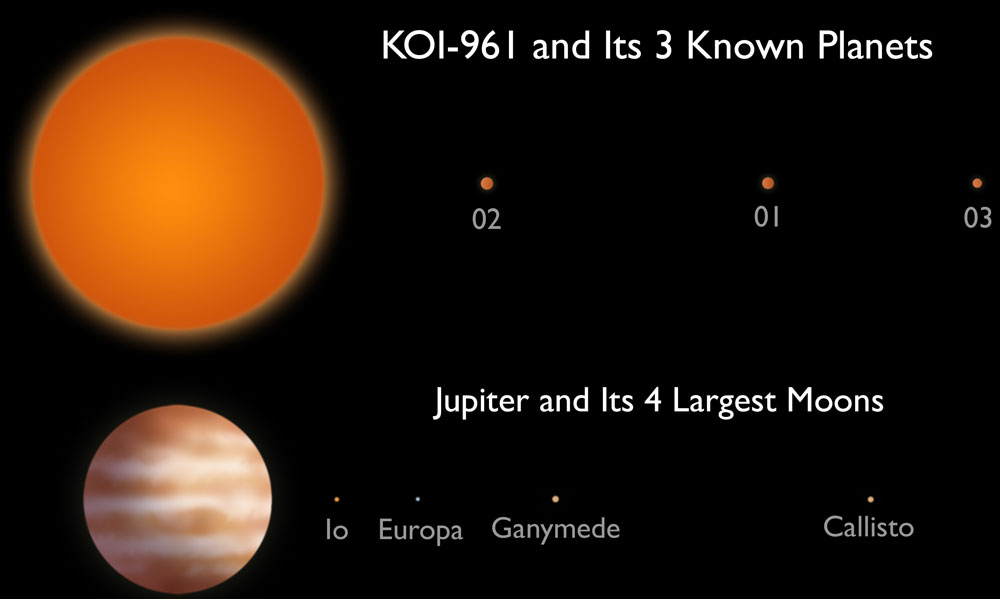
Thanks to data from NASA's Kepler telescope, astronomers have discovered three planets smaller than Earth, orbiting a star much smaller than our Sun.