Space science
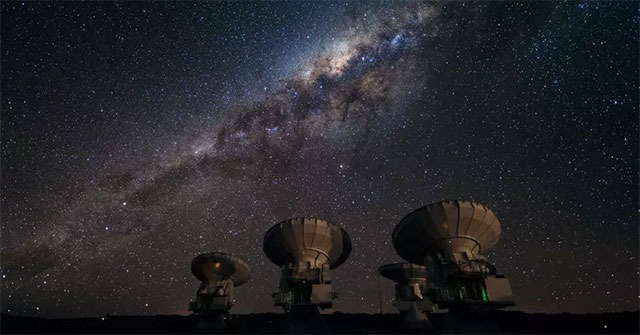
Find out the great world of 'specter' galaxies
Japanese scientists have found a way to reach the invisible super galaxies that NASA's Hubble space hunter must also give up.
Browse ScienceInfo articles and explainers related to NaSa.
3,231 published items.
Japanese scientists have found a way to reach the invisible super galaxies that NASA's Hubble space hunter must also give up.
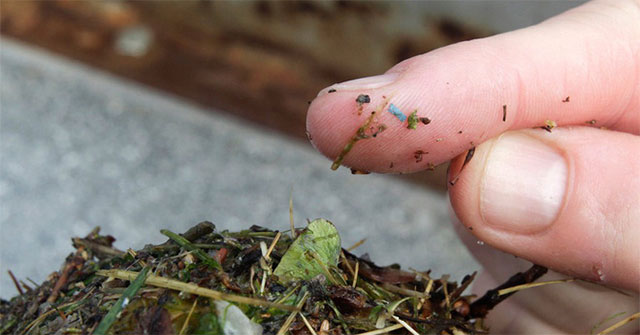
Fionn Ferreira received $ 50,000 in prize money from the Google Science Fair. A reward for the effort to save mankind!
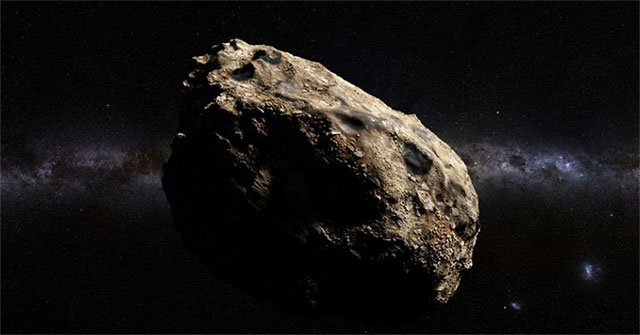
The 2006 asteroid QQ23 will fly over the Earth on August 10 with an estimated diameter of 570 meters, longer than the Empire State Building in the US.
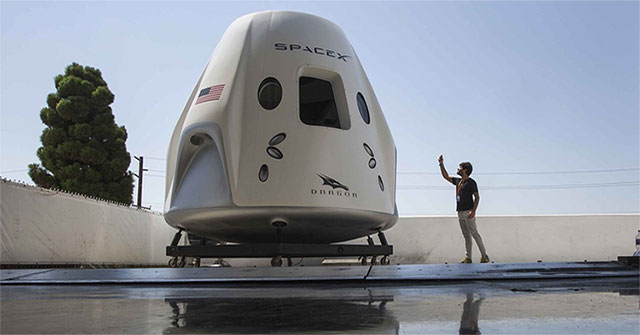
SpaceX Company on July 25 launched the Dragon spacecraft to carry supplies to the International Space Station (ISS).
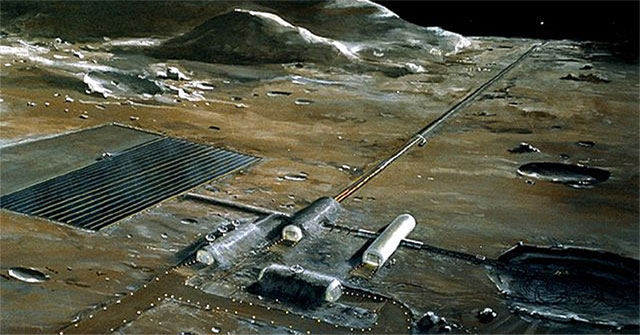
NASA wants to dig up the Moon because it is a treasure trove of extremely expensive things like platinum, rare earth and unmatched materials on Earth.
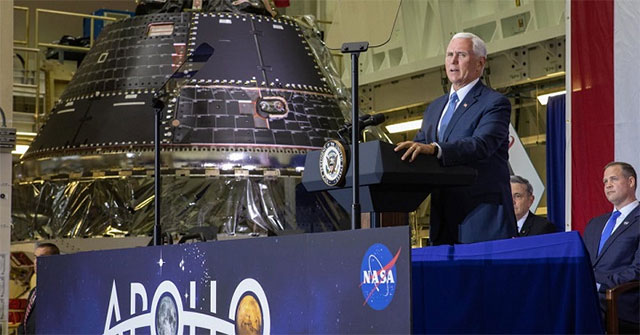
The space chamber of the Artemis project is tasked with bringing the American astronauts to the moon already prepared.
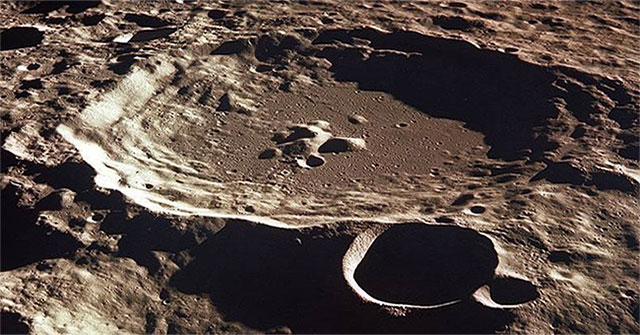
The new study believes that the amount of water the Moon holds is more than what people once imagined.
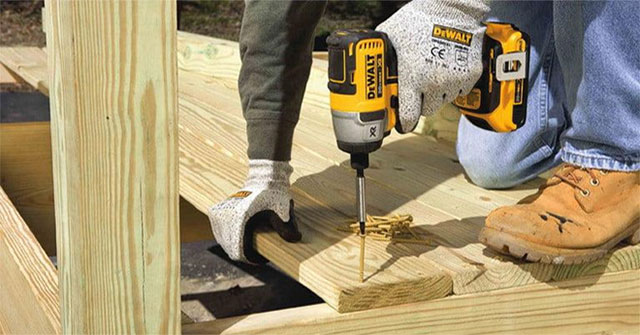
Many modern technologies and products are the result of NASA's research to bring people to the Moon 50 years ago.

Neil Armstrong, Buzz Aldrin and Michael Collins, three Apollo 11 astronauts made a trip around the world after returning from the Moon.
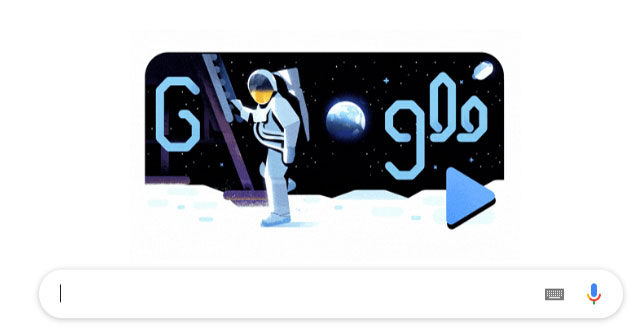
Today (July 19), Doodle Google displays an astronaut stepping on a spaceship to explore the moon for the 50th anniversary of its arrival on the Moon.
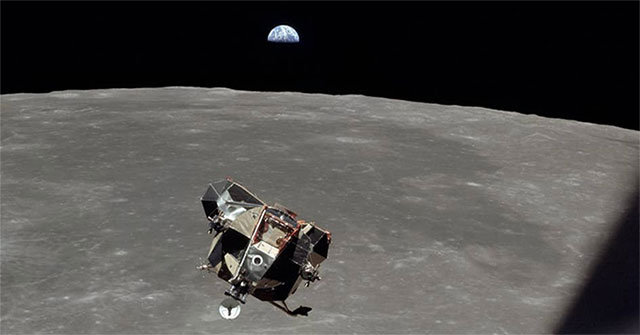
Launched by the Saturn V rocket from the Kennedy Space Center on Merritt Island, Florida on July 16, 1969, the Apollo 11 is Apollo's fifth manned flight and historic mis…
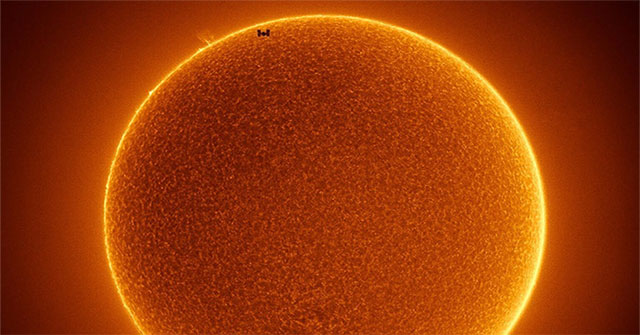
NASA shares a beautiful picture depicting the small shadow of the ISS station in contrast to the giant surface of the Sun.

Apollo program puts people on the Moon as a result of the effort and silent sacrifice of hundreds of thousands of people.

Over the past few decades, from the point of view around the Solar System, we now know thousands of planets outside the solar system.
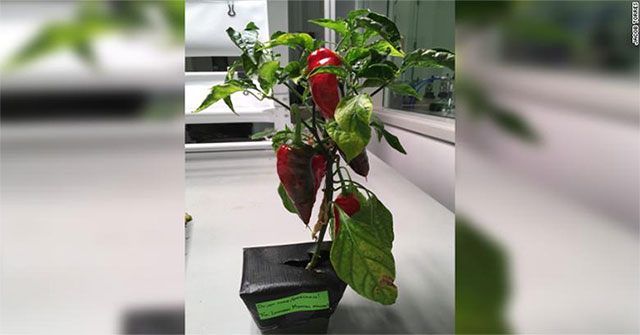
Espanõla peppers (Chile) will be the first fruit tree that NASA grows in space for vitamin supplements.