Space science
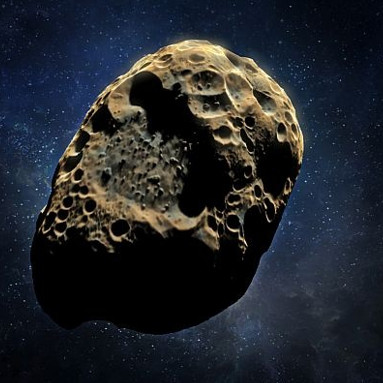
Meteorite 2015 TB145 will fly the face of the Earth on Halloween
A meteor named 2015 TB145 will fly across the Earth at a distance of about 499,000km on the right day of Halloween (October 31) this year.
Browse ScienceInfo articles and explainers related to NaSa.
3,231 published items.
A meteor named 2015 TB145 will fly across the Earth at a distance of about 499,000km on the right day of Halloween (October 31) this year.
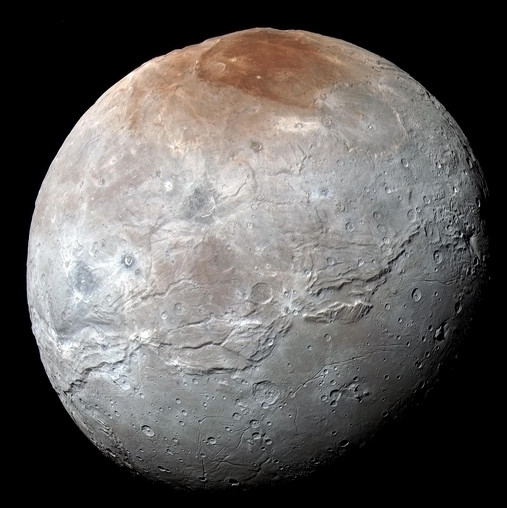
Three months after the last meeting of the New Horizons mission, scientists from NASA finally revealed details about what they found on the dwarf planet.

In addition to successful space programs, the US Aerospace Agency (NASA) has many times tasted defeat and cost.
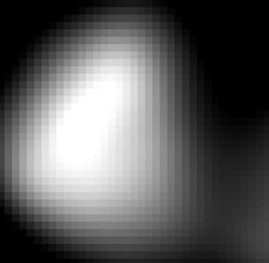
The image of the New Horizons probe of NASA's Aerospace Agency (NASA) shows that the Kerberos moon has a reflective surface, as opposed to previous scientific prediction…
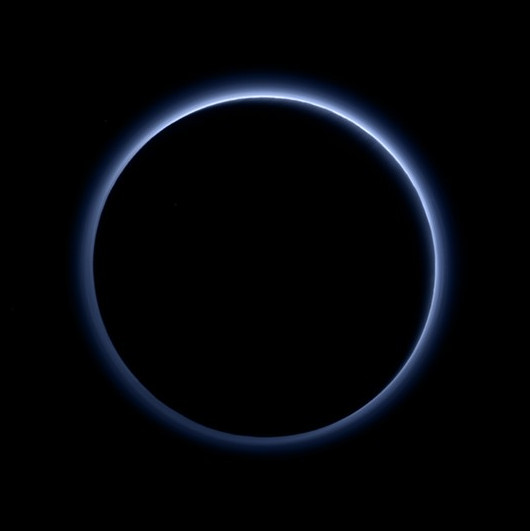
NASA experts were surprised to find out that Pluto's atmospheric cloudy sky is blue.
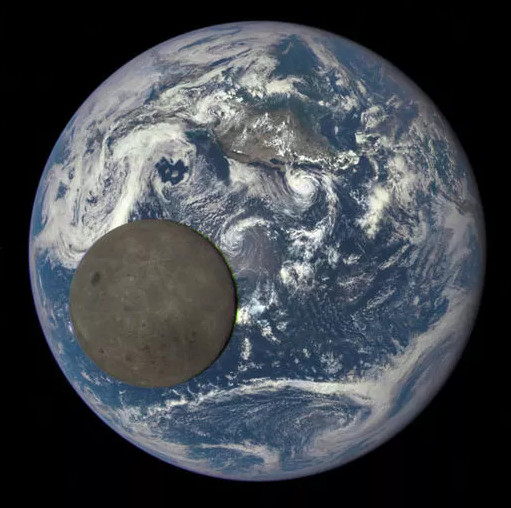
A giant meteorite with a diameter of 2 miles (about 3.2 km) will fly
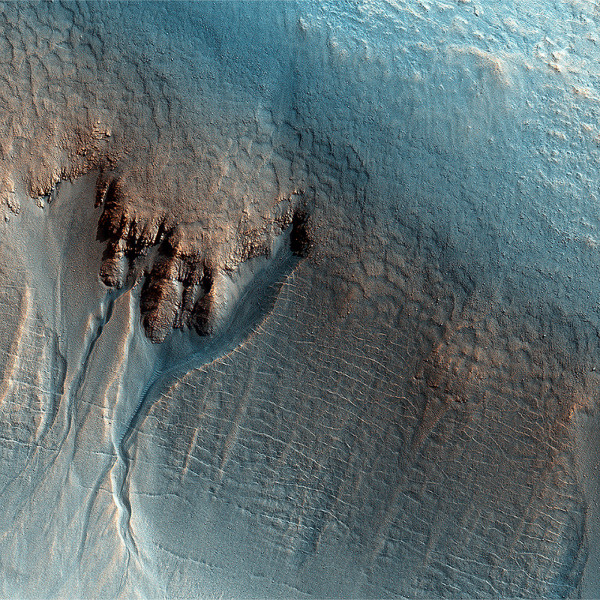
NASA researchers believe that some ancient lakes on Mars may have been filled with water for 10,000 years, long enough for life to form and grow.
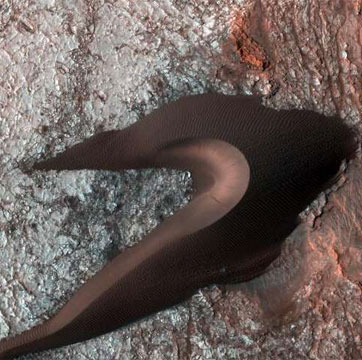
The camera on the Mars Reconnaissance Orbiter of the US Aeronautics Agency (NASA) took a picture of the Martian sand dune shaped like a large leech.
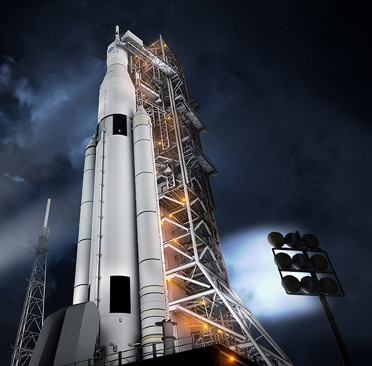
In the plan to bring people to Mars in the 2030s called Journey To Mars, the US Aerospace Agency (NASA) outlines support technologies that have the potential to grow in…
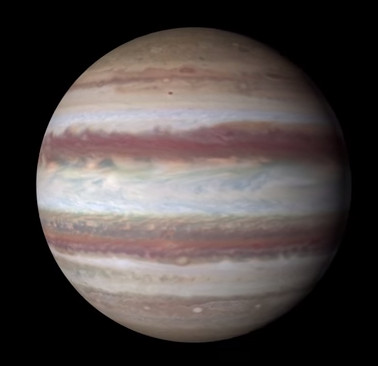
The new image shows that the big red spot has shrunk a bit, and is rounder than the previous images.

A new study, published in the journal Geology, shows that the surface of the Moon has many convex cracks due to the force of attraction from the Earth.
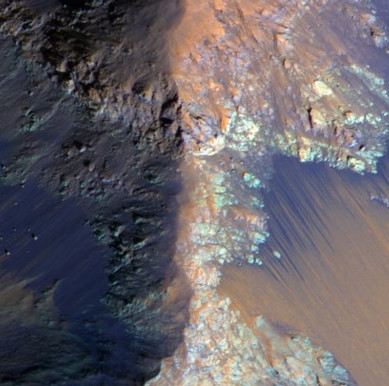
To study water samples on Mars, scientists will have to invest a lot of money to ensure clean equipment, avoid spreading Earth bacteria to red planets.
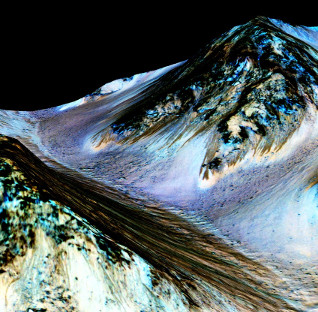
Researching the surface of Mars can help scientists decipher the origin of life on Earth.
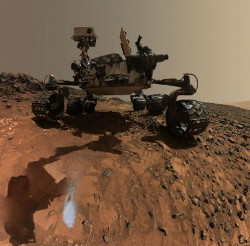
Despite the discovery of water sources, NASA robots will not be able to approach this area to collect data because of the risk of spreading harmful bacteria from the ear…

The US Aerospace Agency (NASA) announced on October 1 the design of the Band - like an ice castle, winning a design competition for human models on Mars.