Space science
Will humans live long in space?
Many space powers are planning to bring people to the Moon and Mars. It will be very long and expensive journeys.
Browse ScienceInfo articles and explainers related to NaSa.
3,231 published items.
Many space powers are planning to bring people to the Moon and Mars. It will be very long and expensive journeys.
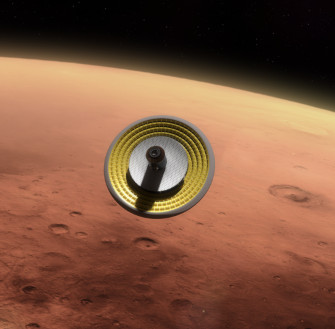
Fuel used to send spacecraft carrying astronaut astronauts back to Earth can be produced right on the red planet, by extracting oxygen and liquid methane from groundwate…
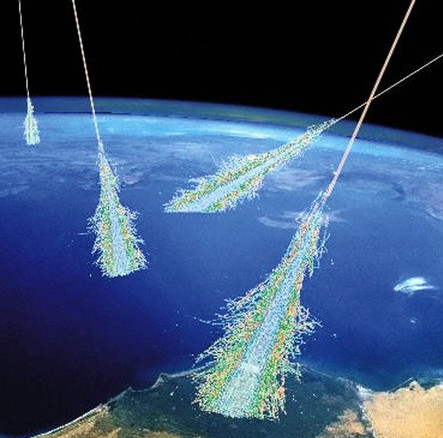
Long-term exposure to cosmic rays on the way to Mars can reduce astronaut's cognitive function.
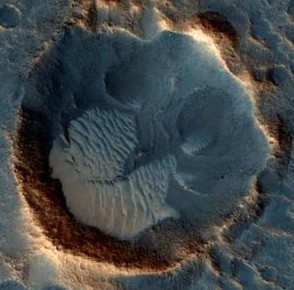
NASA spacecraft astronomical camera reveals details of astronaut landing areas in the film

The US Aerospace Agency (NASA) has just announced the latest images taken from the New Horizons spacecraft that are being sent in the exploration mission at Pluto.
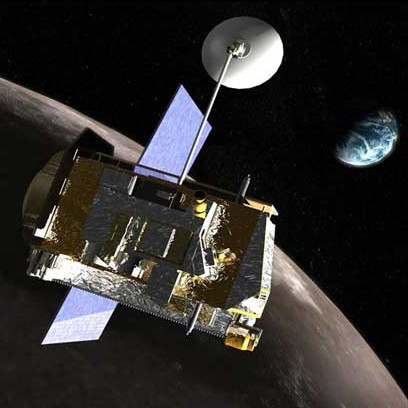
The real superhuman event that will take place next Sunday will likely threaten one of NASA's important exploration tools.

A world-famous NASA scientist says there are no signs of aliens and there is a possibility that we are the only life in the galaxy.
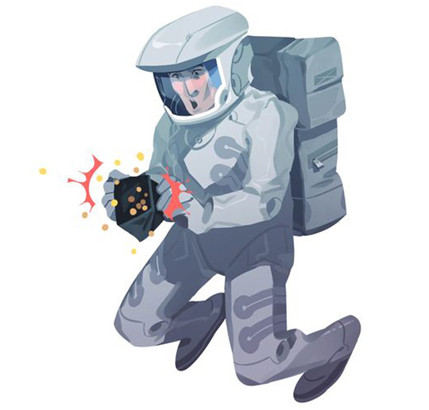
Eating a nutritious diet is not easy for us and it is much more difficult for astronauts on the universe.
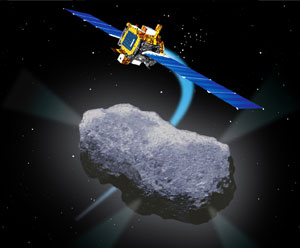
November 4, 2010 will forever be noted in the history textbooks of the country as the day a spacecraft approached the comet Hartley 2 within a distance of 700 km.

The US Aeronautics and Space Agency (NASA) confirms the flow of water on the surface of Mars, sparking hope for past or present life on the planet.

How did mankind's journey of discovery last more than half a century? How remarkable is the progress?
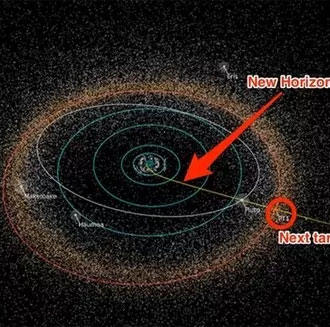
NASA will begin implementing the diversion direction of New Horizons in October. It will turn to PT1 at a distance of 4 billion miles from Earth.
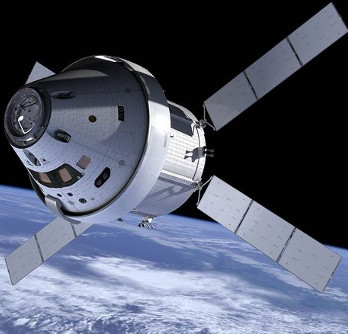
The US Aeronautics and Space Administration (NASA) decided to reverse the first flight carrying people onto the space shuttle Orion to 2023 due to difficulties arising d…
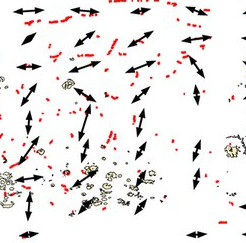
NASA scientists say the Moon is moving away from Earth and shrinking but still under the influence of Earth's gravity.
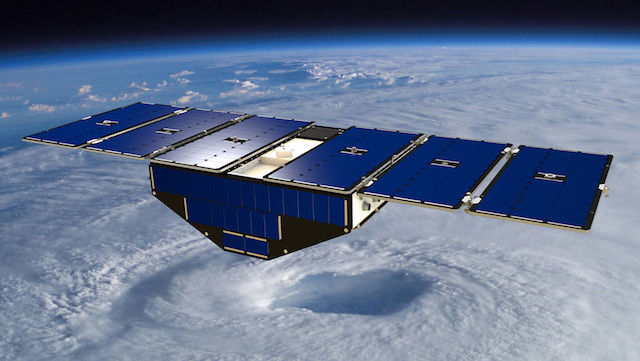
NASA is developing a satellite system called CYGNSS (Global Vortex Positioning Satellite System) to predict the path of major storms across the planet.