
New technology
Hemorrhage with magnet
Researchers in Zurich (Switzerland) are developing a magnetic nanotube capable of detecting harmful molecules that exist in the blood and removing them.
Browse ScienceInfo articles and explainers related to Nano.
335 published items.
Researchers in Zurich (Switzerland) are developing a magnetic nanotube capable of detecting harmful molecules that exist in the blood and removing them.
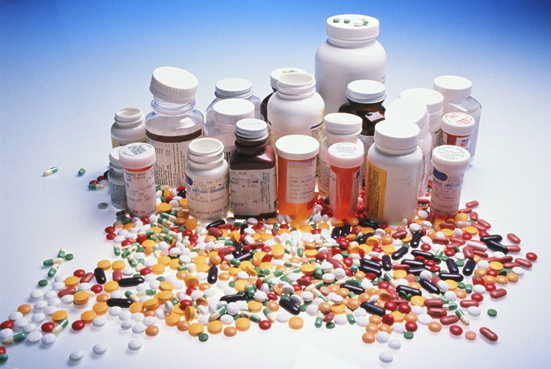
Scientists working at Oxford University and the University of Sheffield, United Kingdom, Cornell University and the University of Wisconsin Madison, USA have teamed up t…
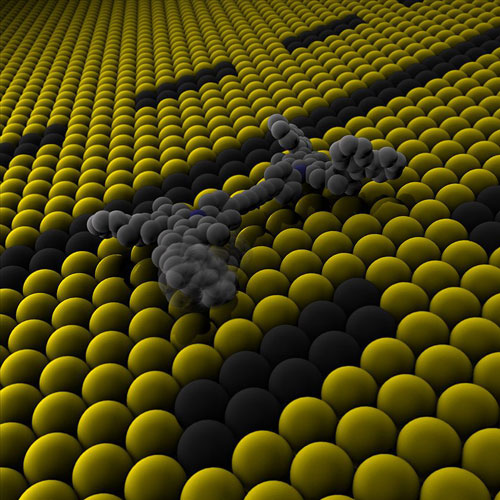
This nano-sized car is a step forward in creating advanced machines that can handle tasks like going through veins to destroy cancer cells.
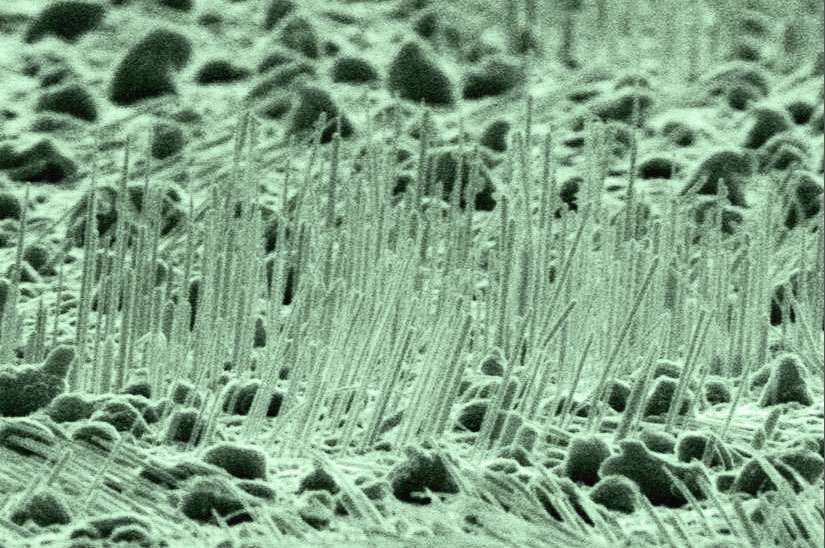
Scientists at the Center for Nano Materials, Argonne National Laboratory, have successfully cut thin diamond nanoparticles (UNCD) into nanowires.
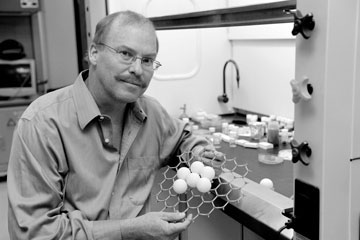
The history of materials has evolved from the use of natural materials such as wood, stone, animal skin and other artificial materials for humans to create materials suc…

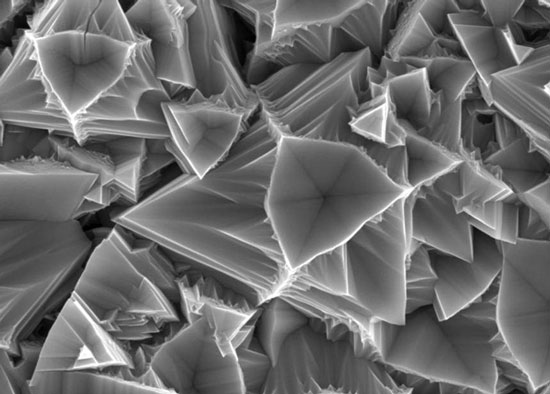
The team of Nano Scientists and Research Scientists led by Dr. Xie Xian Ning, National University of Singapore, has developed: soft, foldable membrane using a PS plastic.
A nanostructured - switch made from DNA (blue and purple) helps detect a specific transcription factor (blue).
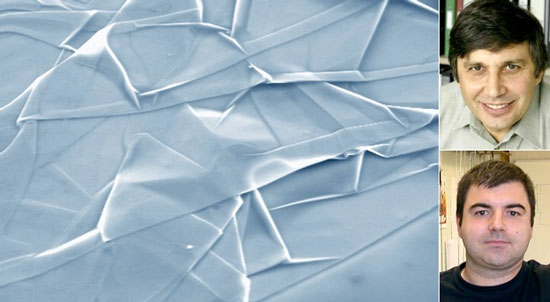
British scientists are studying to increase the light absorption capacity of graphene to increase the applicability of the world's thinnest material.

Tufts University researchers have announced they have succeeded in making the engine, to date, the smallest in the world, according to a report in the journal Nature Nan…

Sun Innovation Inc has developed a 'transparent display' that allows the display of car windshield indicators without affecting the outside view.
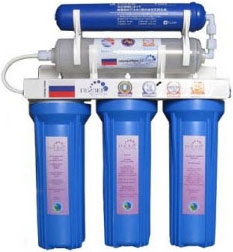
Water is a scarce resource and for many countries, water supplies do not meet demand. Along with the pressure of climate change and population growth, water will become…
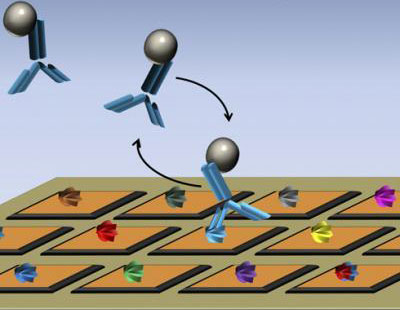
Researchers at Stanford have developed a new biosensor microchip that can accelerate the development of therapeutic drugs.

In August, Tata Housing India plans to sell its Mumbai-based Nano technology for $ 720 a unit, built in a week but can be used for 20 years.
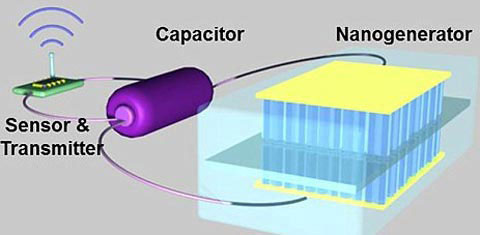
Scientists are developing new generation batteries that can be implanted under the skin and transmitting signals through a wireless transmitter.
'Doped nanocrystals' was developed by researchers, working at Hebrew University, in Jerusalem, Israel, this is the result of research in the field of enhancing the elect…