Biology
Insects: The respiratory system is optimized
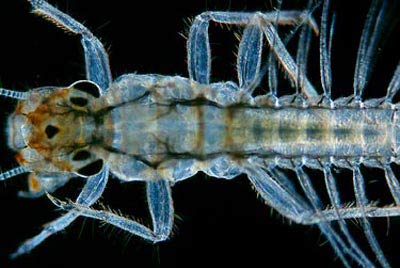
Insects can hold their breath for many days and still be okay ... Nature has provided them with a strange respiratory system, capable of closing the oxygen source to sto…
Browse ScienceInfo articles and explainers related to Nature.
1,394 published items.
Insects can hold their breath for many days and still be okay ... Nature has provided them with a strange respiratory system, capable of closing the oxygen source to sto…
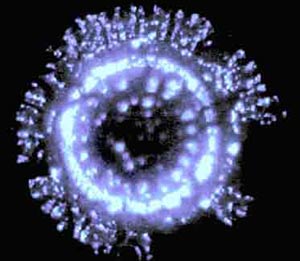
On the night before landing on the Americas, Christopher Columbus saw
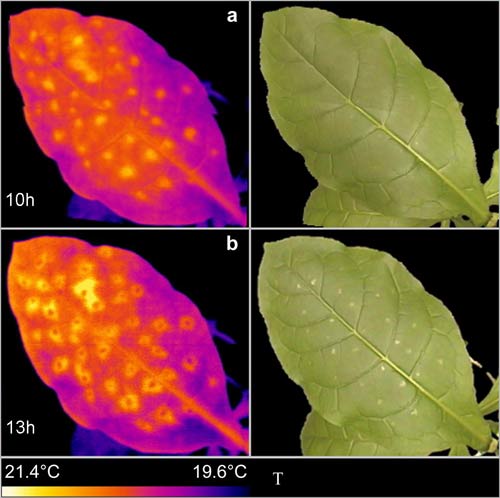
Recent studies have shown that under the influence of stress, plants not only physiologically change but also changes in genomes have initially been recorded. Although p…
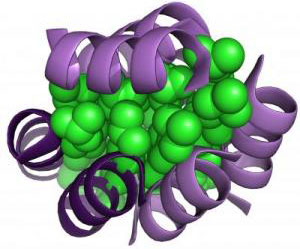
Yale University chemists did what nature chose not to do - to create protein-like molecules from unnatural blocks, according to an article published online recently in A…
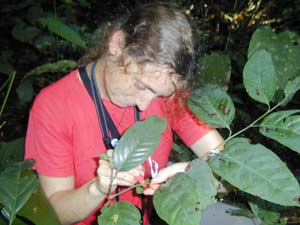
In nature, seeds are very different in size, from dusty orchid seeds to giant double coconuts on Maldive island. Scientists are always wondering which evolutionary force…
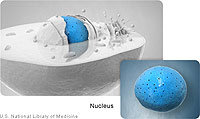
On May 17, 2006, the Nature journal (a No. 1 scientific journal in the world) published an important article: After 10 years of work, an international scientific group c…
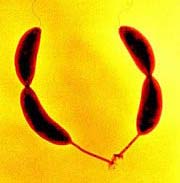
Geckos, mussels and oysters must now step aside - when physicists find the owner of the world's most persistent glue, the Caulobacter crescentus species, which specializ…
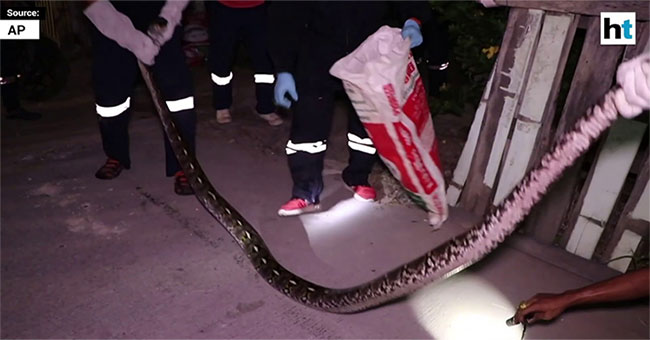
Ruang Peung, who lives in Chachoengsao, Thailand, called the Chachoengsao Rescue Foundation when he saw the python crawl out the back door on November 23, according to N…

The animals in nature have huge sizes that startle many people.
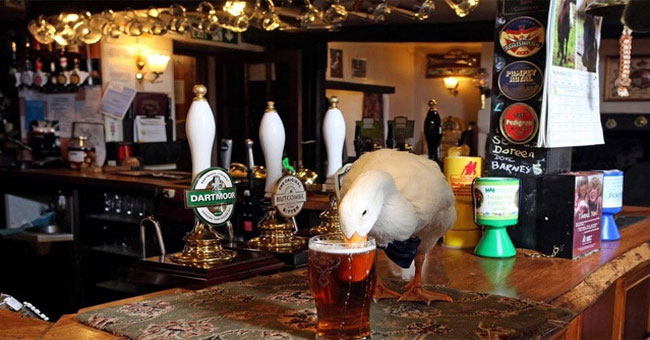
Unlike my other fellow guys who like to go for a walk in the wild nature, foraging, swimming ..., the Star duck loves to do things like humans.
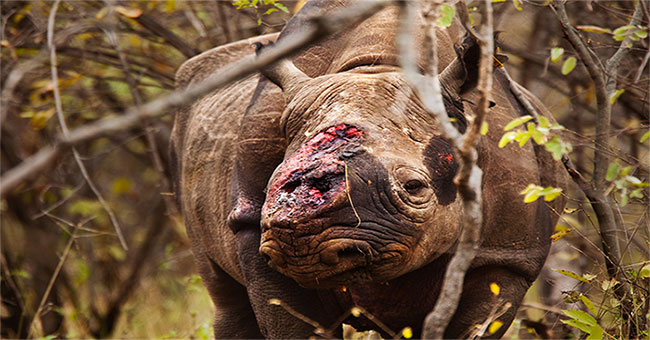
On October 30, WWF published the Living Planet Report 2018 to follow the trend of wildlife populations development from 1970 to 2014.
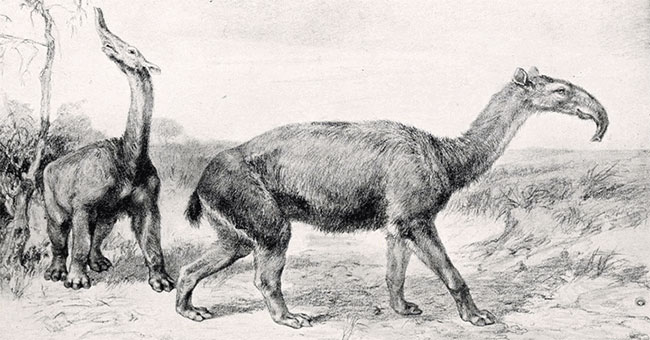
A study shows that the rate of extinction of animals is happening faster than the rate of evolution of nature.
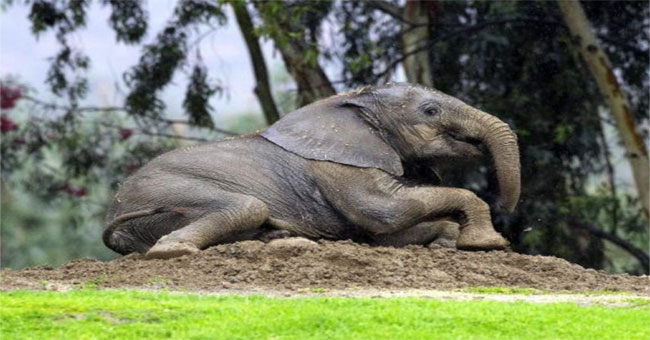
In a new article published in Nature Communications, scientists claim that these cracks are the outer bones of animals.
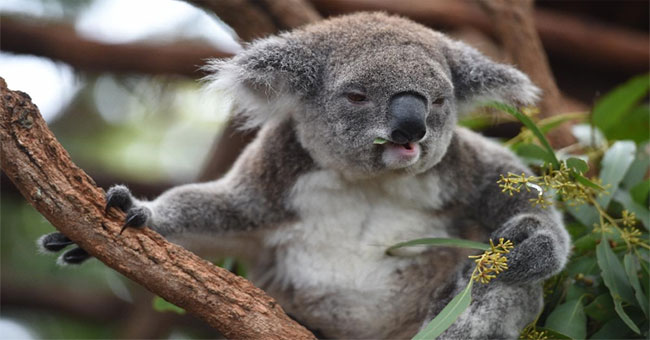
This is the research result published on September 7 by the International Fund for Nature Protection (WWF) in Australia and the Nature Conservation Council (NCC).
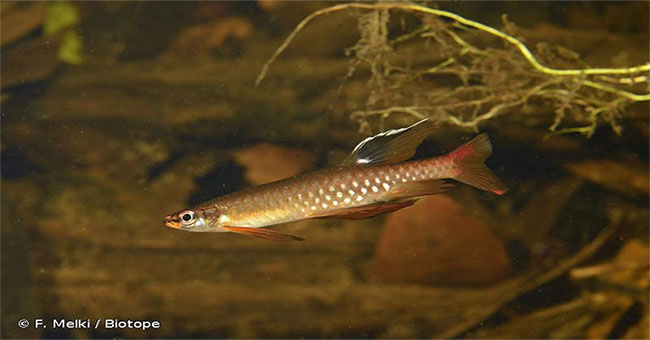
In nature, there are no fish species that have a special way of reproducing like pencil fish, they jump onto the water surface and lay their eggs on the foliage.