Archeology
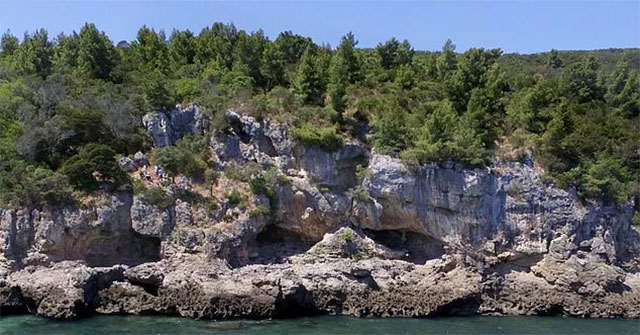
The mysterious cave reveals the 100,000-year-old world of others
Many interesting, unexpected details around the real world of the Neanderthals, an extinct human species, have been revealed through a coastal cave in Portugal.
Browse ScienceInfo articles and explainers related to Neanderthal.
129 published items.
Many interesting, unexpected details around the real world of the Neanderthals, an extinct human species, have been revealed through a coastal cave in Portugal.
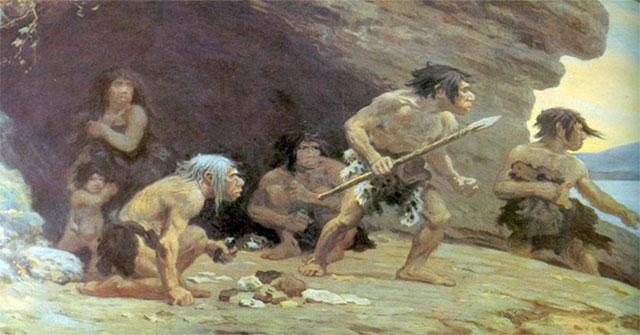
A new study believes that the Neanderthal race became extinct in part because they were too unlucky.
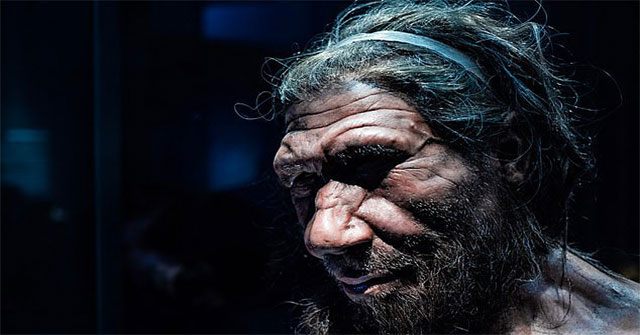
US scientists have discovered an unexpected event that could have caused the ancient Neanderthals to become extinct, leaving the Earth with only one species of his genus…
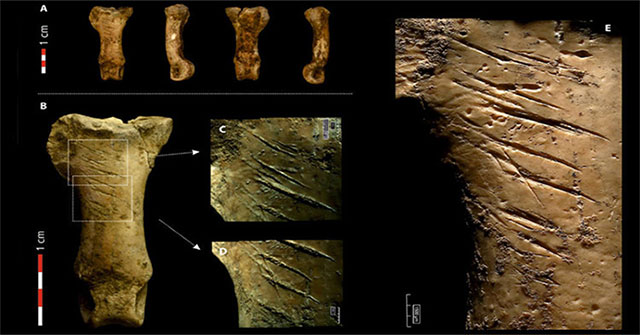
The Neanderthals could have cut off the toes of the Spanish emperor's eagle, which is now an endangered species, to make claws as collars.
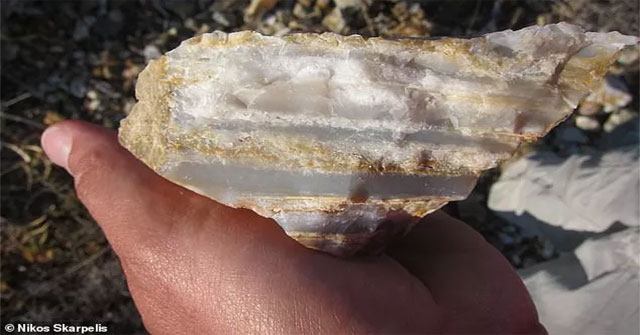
The story of prehistoric explorers 9,000 years ago exploring Greek islands collapsed, because of the footprint of an extinct human being that existed tens of thousands o…
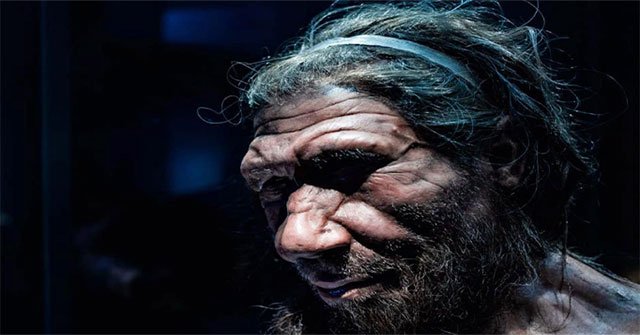
Ear infections are thought to be responsible for the extinction of this ancient human being by scientists.
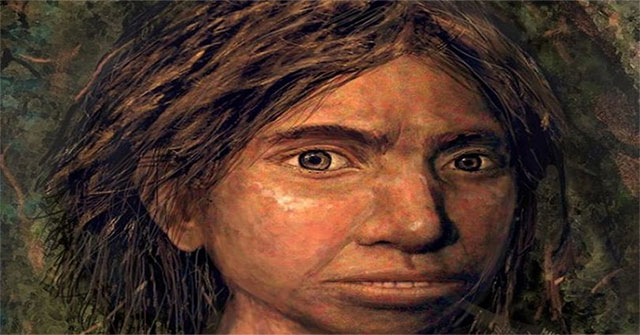
The prehistoric girl who died 40,000 years ago recreated her face with DNA from her finger.
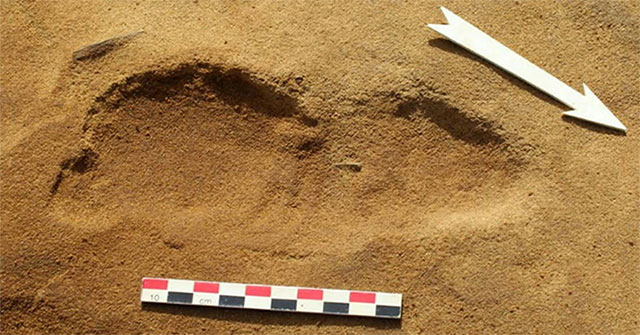
Hundreds of children's footprints near the Normandy coastline help to reveal a bit about the height and life of the ancients.
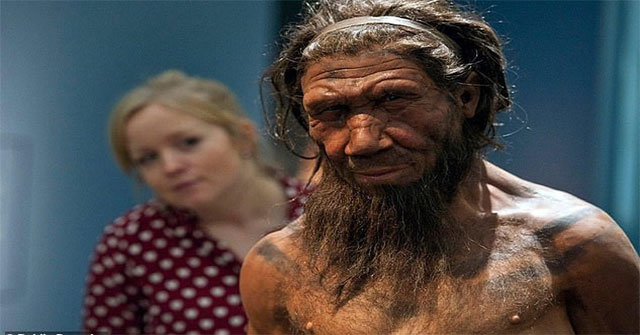
More than a dozen sets of bones belong to the extinct species of the genus. He possesses the characteristics of the fishermen who stirred the ocean.
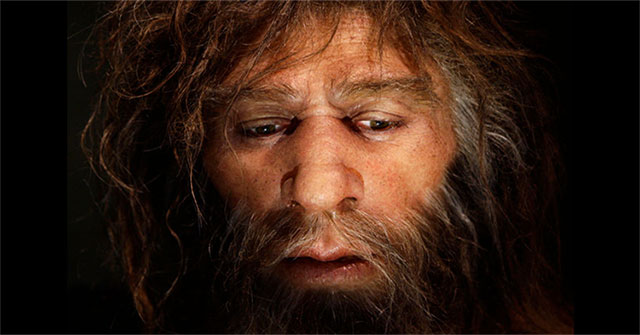
After the shocking discovery of the Neanderthals extinct marriage, scientists continued to find descendants of the Denisovians in Asia.
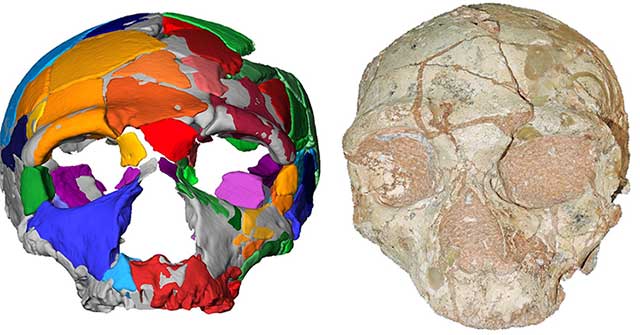
The 210,000-year-old skull analysis found in Greece showed that Homo sapiens migrated to Europe much earlier.

An unknown ancient species gave birth to both modern humans and extinct Neanderthals, in a miraculous evolution of 800,000 years ago.
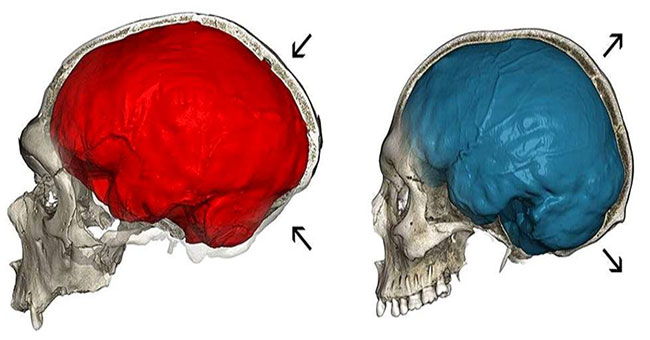
Those with two Neanderthal genes, their heads are slightly flatter and longer - like Neanderthal heads.
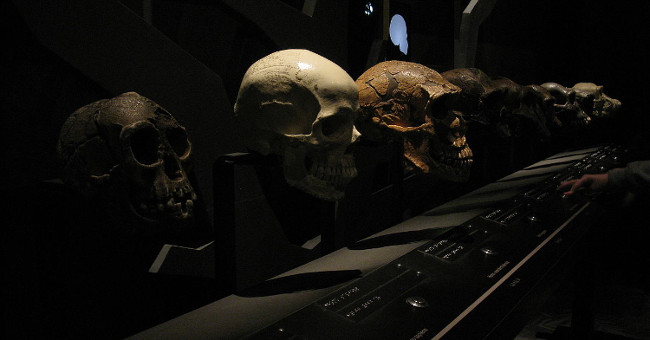
Neanderthals - close relatives of modern humans have thick noses, long skulls, large bone structures, possibly red hair and freckled skin.

Scientists think somewhere around 60,000 to 100,000 years ago, the first human ancestors migrated from Africa, meeting the first large group of gibbons in Eurasia.