Archeology
Reject the role of FOXP2 gene in human language evolution
Previously, scientists believed that the FOXP2 gene, was associated with the development of speech. It is this gene that explains why modern humans have the advantage of…
Browse ScienceInfo articles and explainers related to Neanderthals.
99 published items.
Previously, scientists believed that the FOXP2 gene, was associated with the development of speech. It is this gene that explains why modern humans have the advantage of…

Previously, scientists had genetically analyzed the Aboriginal hair samples and affirmed the extremely long and profound relationship between the Aboriginal groups and t…
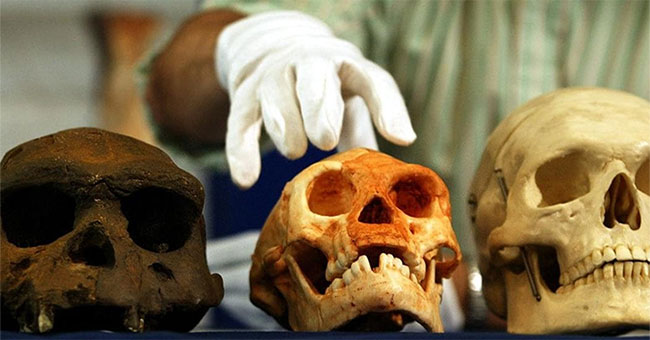
According to the latest research, it is the adaptation to many different types of weather that makes the smart people win the race to evolve species.
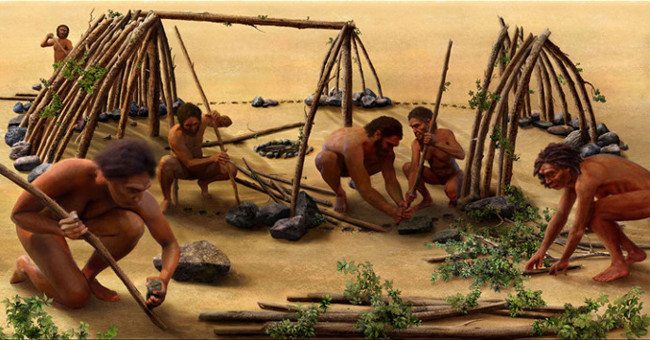
Experts and scientists have made notable findings about the lives of prehistoric people such as eating, accommodation, weapons used ...
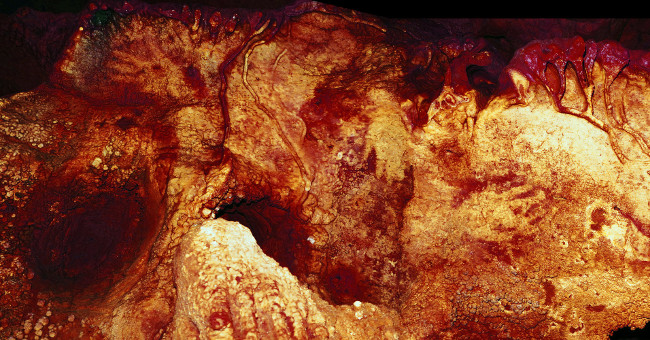
According to AFP news agency, the oldest cave art has been identified by new technologies by Neanderthals.
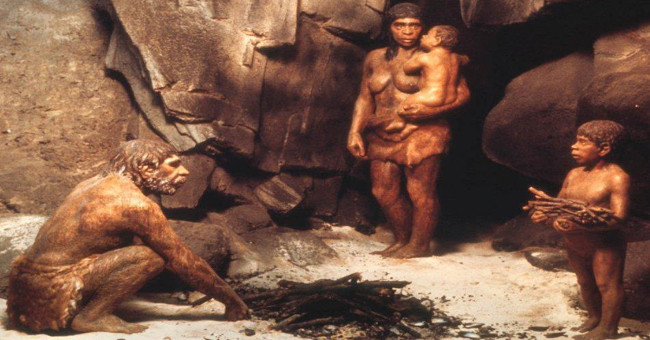
For thousands of years, Homo Sapiens first crossed mountains, deserts and oceans to Africa.
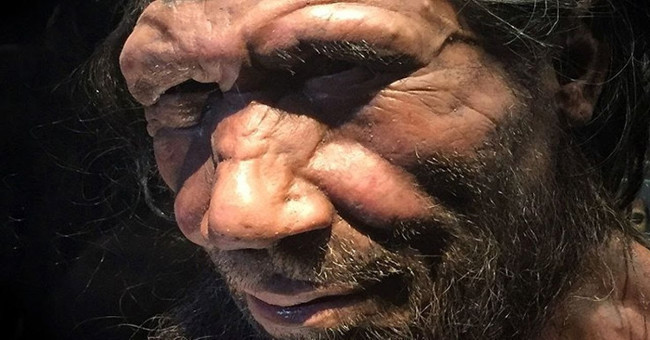
A newly excavated 52,000-year-old piece of bone in Croatia has revealed more about the origins of humanity.
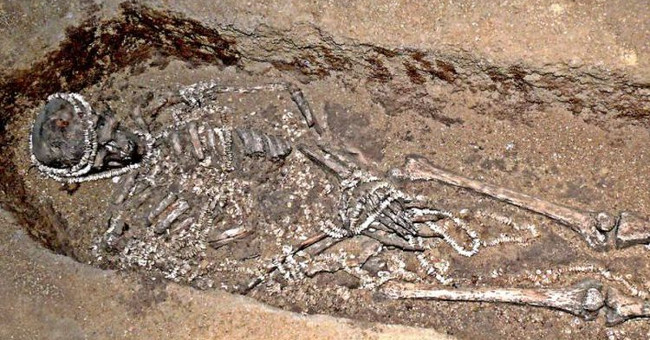
Right from 34,000 years ago, our ancestors knew that inbreeding was a bad idea.

Vindia Caves in northern Croatia are considered to be one of the most likely places for Neanderthals and modern humans to meet and mate.
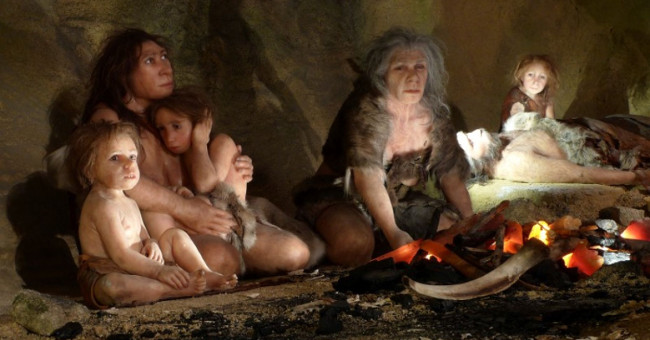
The new study shows that human flesh has less nutritional value than other animals, while much harder to hunt for prehistoric humans.
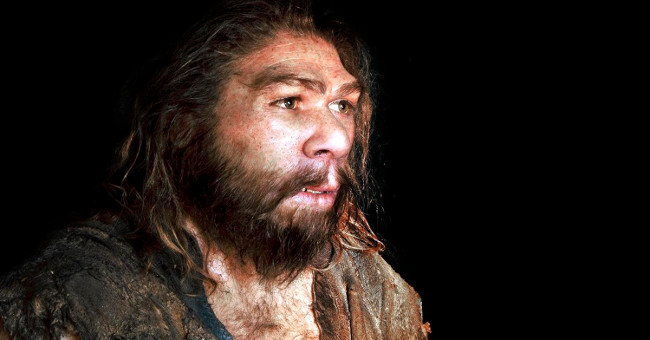
Previous studies have shown that Neanderthal genes are involved in regulating fat metabolism, as well as determining the risk of depression and lupus.
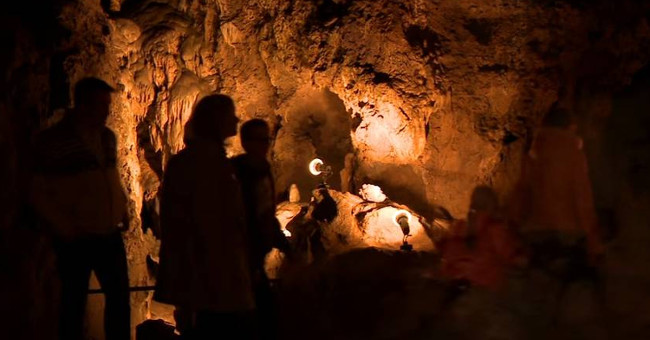
Recent scientists have discovered signs of skin peeling, cut into pieces and took the bone marrow of an ancient race.
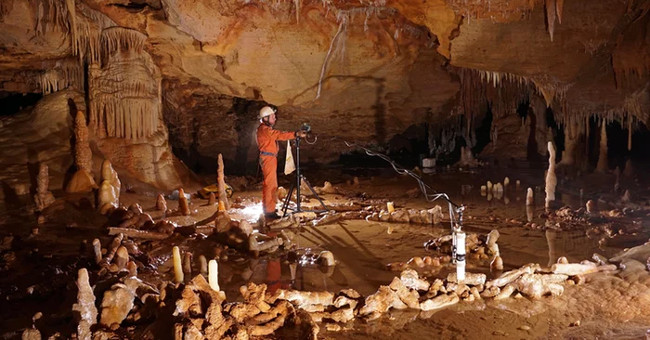
This is said to be an artifact of the Neanderthals and is one of the oldest artificial works in the world.
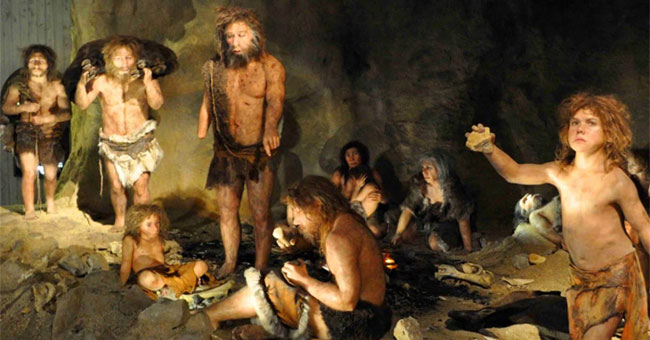
German scientists found climate change in the Ice Age eventually led to the disappearance of most Europeans and the emergence of newcomers from the Middle East and Euras…

The ancient Neanderthal breed has left modern humans (Homo sapien) not only some good genes against disease, but also their allergies.