Archeology
Explain the viability of humanity on Earth
Humans have existed with some of the others, but so far we are the only species alive on Earth.
Browse ScienceInfo articles and explainers related to Neanderthals.
99 published items.
Humans have existed with some of the others, but so far we are the only species alive on Earth.
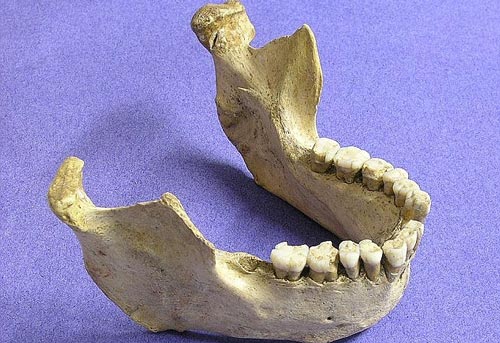
Anthropologists have long not determined how much modern people are dealing with Neanderthals and when that happens. Currently, a 40,000-year-old fossil bone in Romania…
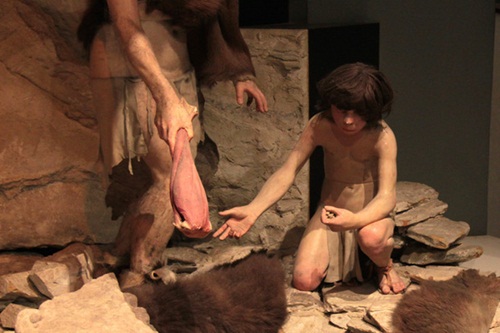
Neanderthals may have died out because they did not know how to harness the power of fire at the same level as human relatives.
The lack of osteoporosis makes human bones lighter, increasing the risk of fractures and osteoporosis.
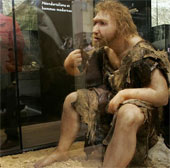
Before extinction about 40,000 years ago, the ancient Neanderthals lived side by side with modern humans in Europe for about five millennia.
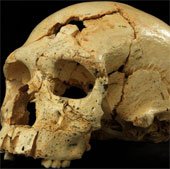
The Guardian (UK) reports, scientists have just restored the status quo of ancient skull fragments in northern Spain.
Through analysis of fossil samples, experts found the old Neanderthals had an omnivorous diet.
The Neanderthals, extinct relatives of modern humans are known to be primitive and rather clumsy.
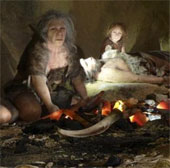
Neanderthals may have faced the danger of extinction before modern ancestors left Africa.
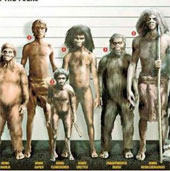
Pushed into the path of extinction tens of thousands of years ago, the Neanderthals still have the opportunity to avenge by inheriting a dangerous disease for modern peo…
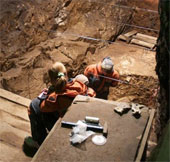
According to the British journal Nature, a group of international scientists with Russian involvement confirms that modern humans may be descended from some ancient huma…
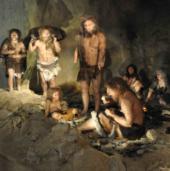
A genetic variant inherited from the extinct Neanderthal genus may increase the risk of diabetes in the South American community.
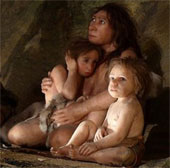
DNA analysis from fossil toe bones of the Neanderthal woman, dating back to 50,000 years, shows that signs of inbreeding may have been common in these ancient generation…
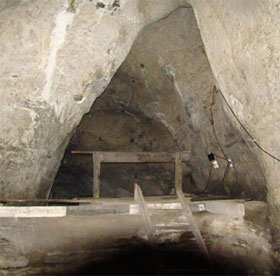
Studying the genome of the remains found in the famous Denisov cave today, scientists have determined a 17% coincidence with the Neanderthal gene, another 4% of the homi…
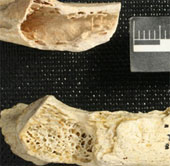
A tumor lying on the rib of a 120,000-year-old skeleton shows that at least one Neanderthal who had been cancerous seemed to only haunt modern humans.