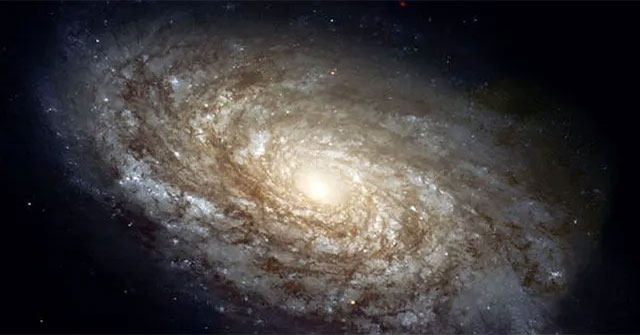
Space science
How are stars created?
Stars are not created by anyone or anything, they can form themselves, or they can be said: stars are born by a very strong influence of nature called gravity.
Browse ScienceInfo articles and explainers related to Nebula.
173 published items.
Stars are not created by anyone or anything, they can form themselves, or they can be said: stars are born by a very strong influence of nature called gravity.
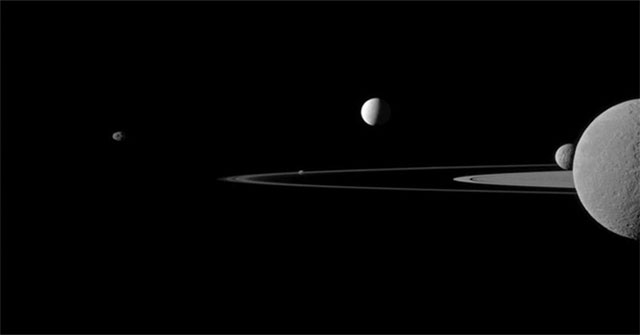
NASA's impressive image of galaxies, nebulae and countless other objects in the universe as a reminder of the smallness of the Earth compared to the outside world.
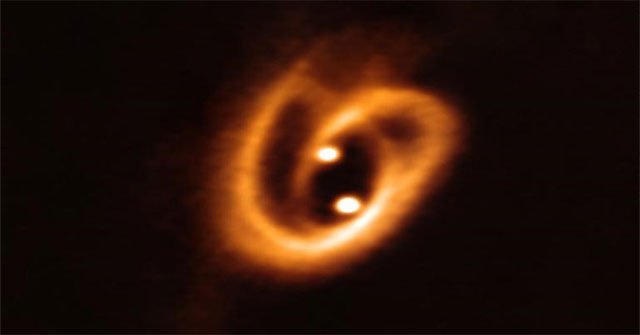
The observed pair of stars is being formed by the accretion of energy from surrounding massive disks of matter.
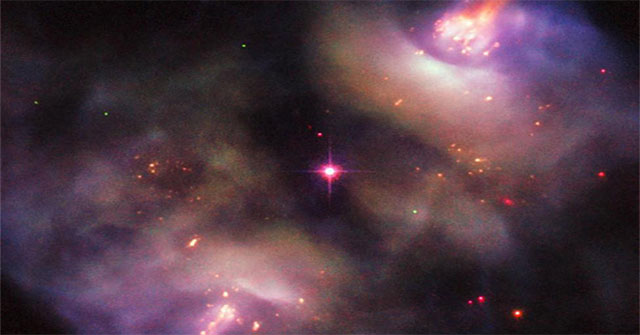
The latest image of the planetary nebula NGC 2371/2 released by NASA last week shows the remnants of a dying star.
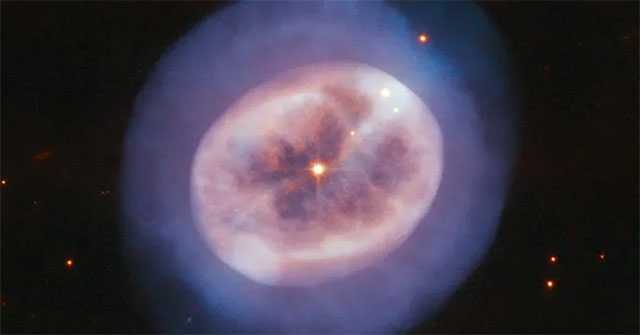
A giant and strange cosmic jellyfish was discovered by the Hubble space telescope, which according to NASA is the brilliant end of an old sun-like star.

A gallery of the best astronomical photos will be released this year at the National Maritime Museum in London.
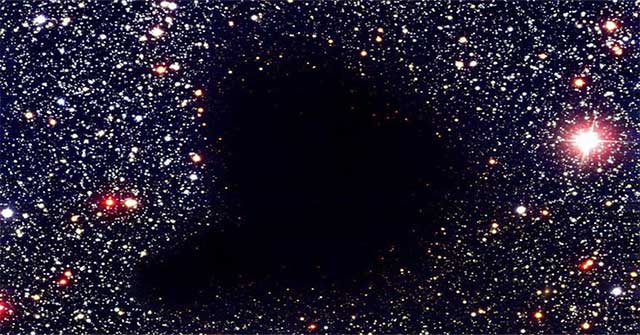
It seems that the universe is ... a hole! But look at the infrared image, you will see something special.
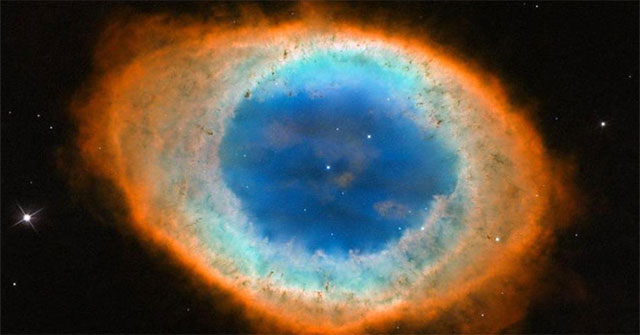
The Ring Nebula looks like a giant gas ring around a white dwarf star. It is seen as representing the fate of the Sun-like stars.
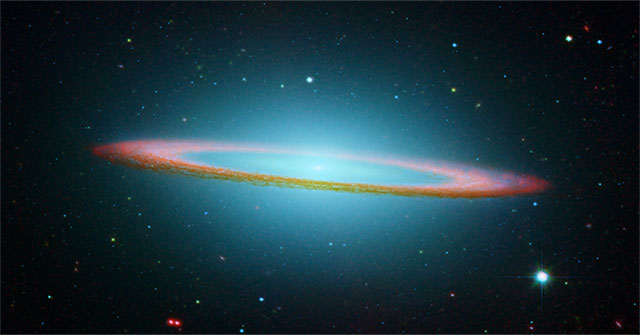
Spitzer Space Telescope (Spitzer Space Telescope) named in honor of legendary scientist Lyman Spitzer Jr. has made countless valuable contributions to the astronomy fiel…
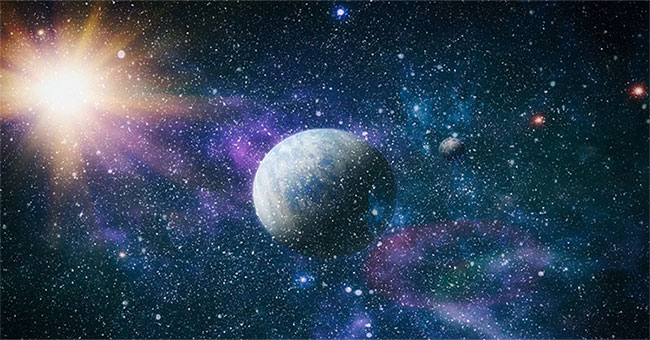
American scientists have found the origin of the first drops of water on Earth, which helps our planet become a place of life.
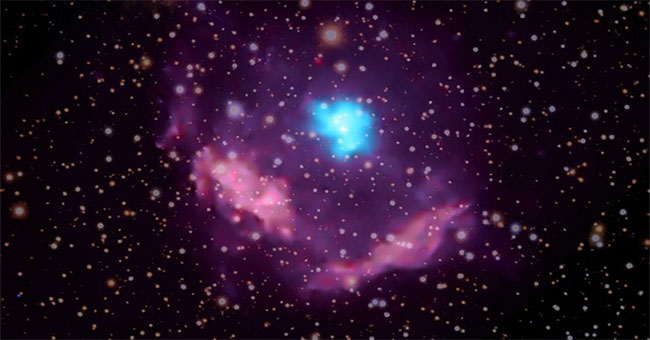
The first image was taken by Chandra X-ray Observatory of the US Space and Aeronautics Agency (NASA), showing the youngest pulsar that scientists have ever seen.
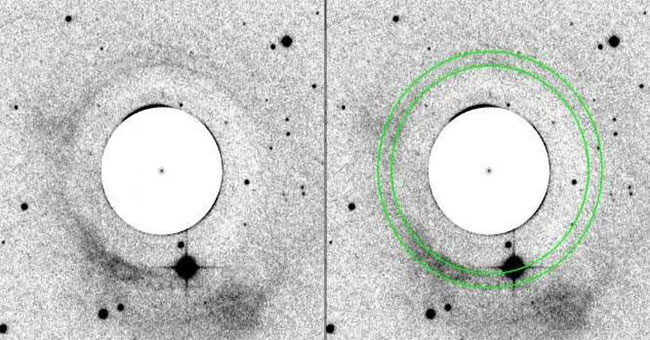
Using ESO's Very Large telescope, international astronomers detect ionizing halo around planetary nebula IC 5148.

Observers have not seen the Ninth Planet directly. However, the Goblin dwarf planet seems to be influenced by the gravity of the unidentified giant.
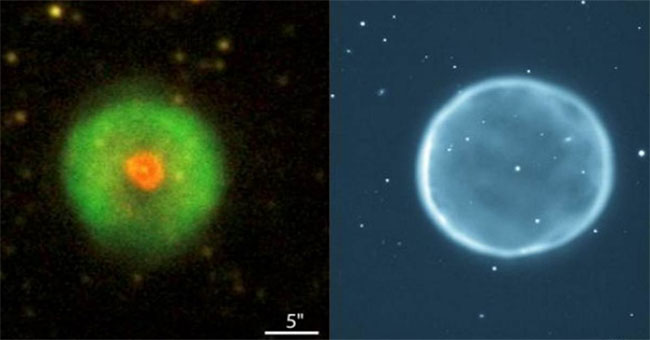
The team of astronomers at the Institute of Astrophysics in Andalucia (Spain) led by Martin Guerrero discovered a nebula
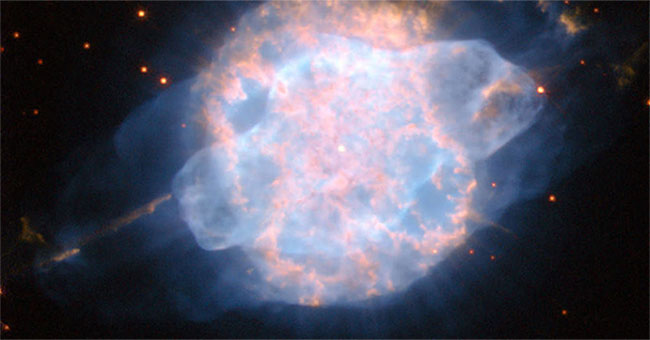
NASA has just released a picture of the NGC 3918 nebula, which has an eye shape.