Medicine - Health
Not always obeying the command of the brain
According to researcher Christopher Knight, an associate professor at the University of Delaware's department of medical science, when we become older, neurons (neurons…
Browse ScienceInfo articles and explainers related to Neuron.
261 published items.
According to researcher Christopher Knight, an associate professor at the University of Delaware's department of medical science, when we become older, neurons (neurons…

Parkinson's disease, also called paralysis, is a central nervous system degenerative disease caused by the loss of dopamine neurons or dopamine neurons. The disease usua…

According to a study led by Yehezkel Ben-Ari of the Institute of Mediterranean Biological Neurology in Marseille (France), before confronting the birth phase, the fetus…

In 1953, Nathaniel Kleitman and his student Eugene Aserinsky, University of Chicago, discovered sleep marked by rapid eye movements, abbreviated as REM in English. It is…

Ultrasound - a technology familiar to babies in the womb - seems to alter the development of nerve cells in the embryonic brain
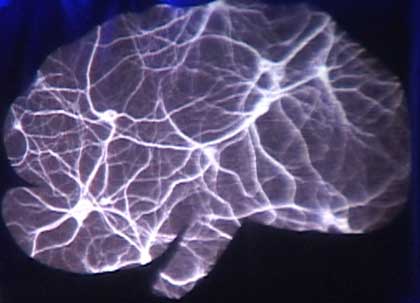
According to scientists at the University of California in Los Angeles and the California School of Engineering have demonstrated by experimenting that individual neuron…
Memory makes every human being a unique individual and creates a constant flow for our lives. An understanding of how memories are stored in the brain is a crucial step…

High convulsive fever is a very common medical condition in young children, especially when there is a change in weather and climate. Seizures often cause panic psycholo…
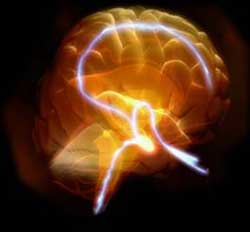
Although many believe that adult brain cells do not develop, but a researcher at the Institute of Learning and Memorization at the Massachusetts Institute of Technology,…
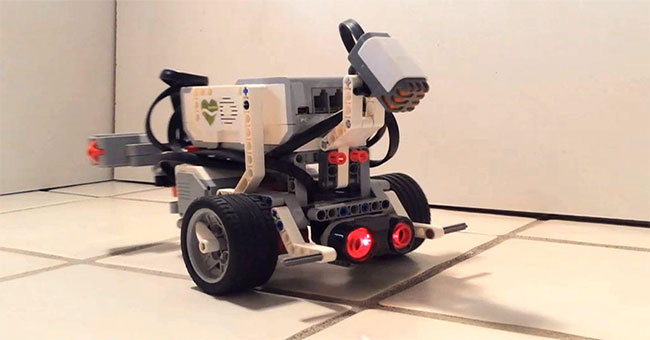
This is the organism that has the whole nervous system so simple that scientists can form a diagram.

Context is a virtual environment, DeepMind and gamers are tasked to search for rewards through the chain of rooms, strange and random paths.
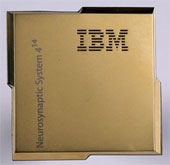
A microchip that uses millions of electronic neurons and 256 million synapses can usher in a new era of increasingly smarter computers.
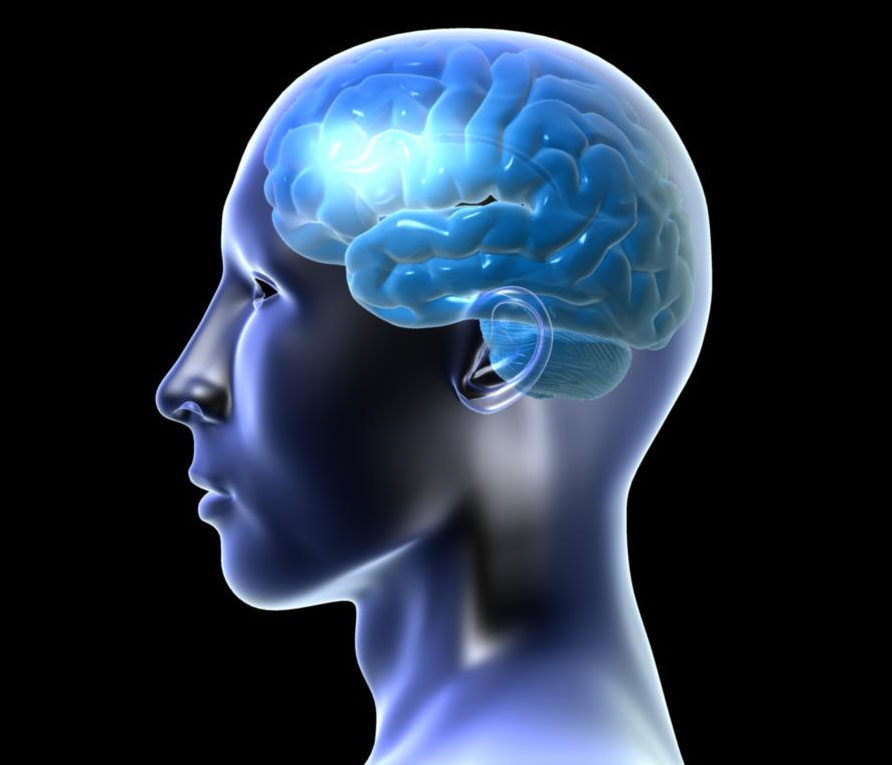
Scientists are getting closer to the dream of creating computer systems that act like human brains.

Scientists in the UK have just introduced the world's largest
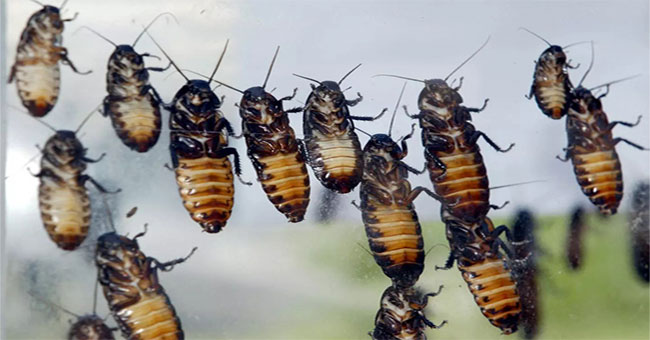
Researchers from the University of Connecticut put small neurons on the cockroach to control the movement of these insects inside buildings.