Discover science
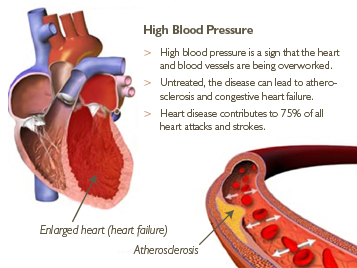
Molecular control of blood pressure
Scientists at the Department of Dentistry, Oregon University of Science and Health, have discovered that nerve cells that control heart rate and blood pressure synthesiz…
Browse ScienceInfo articles and explainers related to Neuron.
261 published items.
Scientists at the Department of Dentistry, Oregon University of Science and Health, have discovered that nerve cells that control heart rate and blood pressure synthesiz…
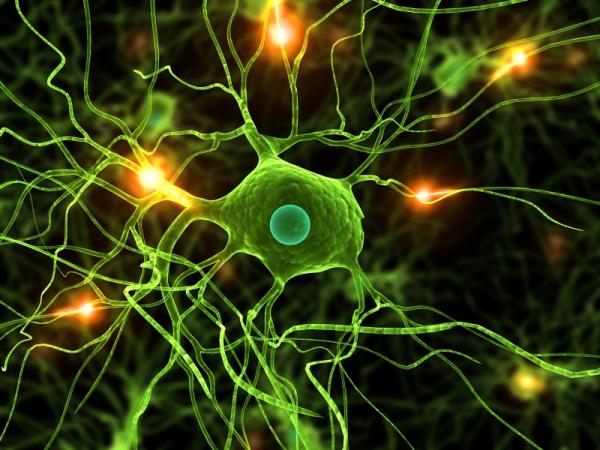
What is memory made of? One thing is for sure, the cells in the brain.
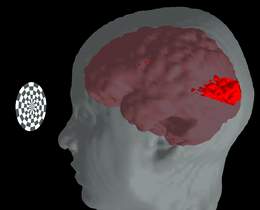
With a brain imaging machine, researchers have captured the fluctuating images of neurons in the brain when one is happy on another's pain, emotional signs of factional…

After escaping death due to a broken blood vessel in the brain, Mr. Tommy, 58, suddenly knew how to write poetry and paint, although he never cared about painting or poe…

Octopus is a surprisingly complex creature with 500 million neurons on its head and body, capable of planning, deducing and predicting motion.

Able to kill 20 adults at once after just one bite, Olive sea snakes are species

The hump on the whale's back has an amazingly complex brain, which raises questions about how these marine mammals have evolved. According to US researchers, the whale's…

Scientists have identified intact neurons in a brain of a mummy that has been preserved since the 13th century.
Some animals have the ability to understand numbers. But there are many numbers that are difficult to define and capture, such as numbers

The bacteria communicate with each other similarly
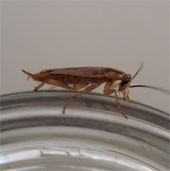
Cockroaches are very wise, knowing actively rejecting glucose often contains poisonous baits. They redefine: the sweetness from now is bitter. The study, conducted by US…

A new study suggests that dragonflies also have nerve cells to perform labor-intensive tasks - cells found only in primates.

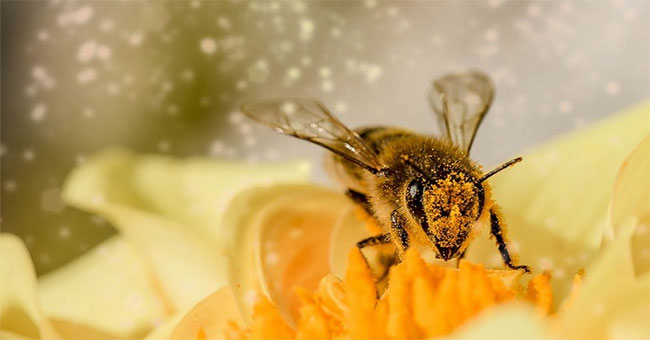
Biologists from the Queen Mary School of Chemical and Biological Sciences at the University of London found that bees can calculate the best route between flowers.

Research shows that roots of vegetables have collective intelligence, like honey bees and humans, that share information and solve problems together.

Scientists from Kyoto University (Japan) have successfully cultivated original auditory neurons based on the use of multifunctional stem cells (iPS) from rat skin.