Space science
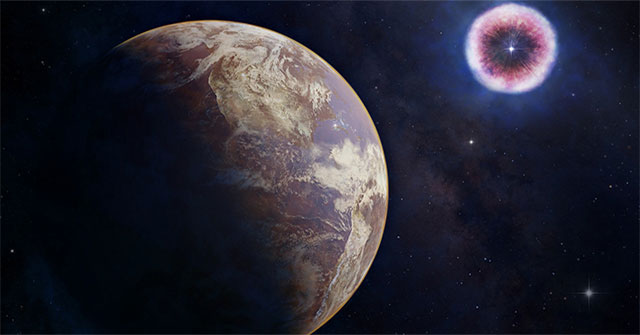
Chilling discovery of cosmic object that almost brought the Earth to 'apocalypse'
Many other planets 160 light years away are not as lucky as Earth, being hit by similar objects.
Browse ScienceInfo articles and explainers related to NuSTAR.
12 published items.
Many other planets 160 light years away are not as lucky as Earth, being hit by similar objects.
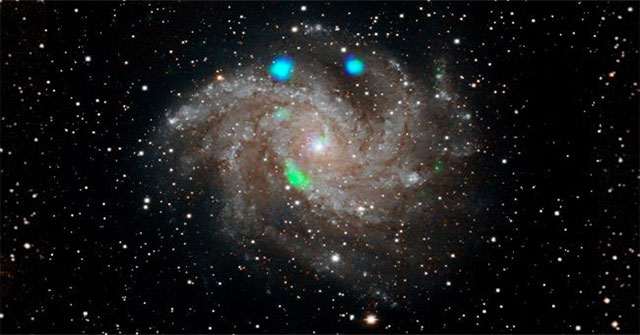
NASA's NuSTAR Nuclear Spectrometer has just captured mysterious light from the universe, a source of super-energy X-rays that baffles scientists.
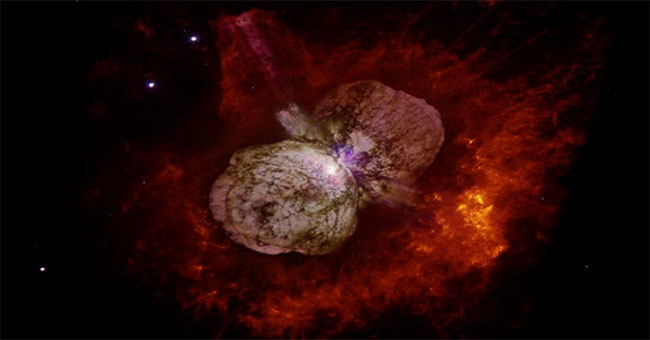
Located 7,500 light-years from Earth, the Eta Carinae star system is formed by two stars that are 90 and 30 times the mass of the Sun, extending 225 million km (140 mill…
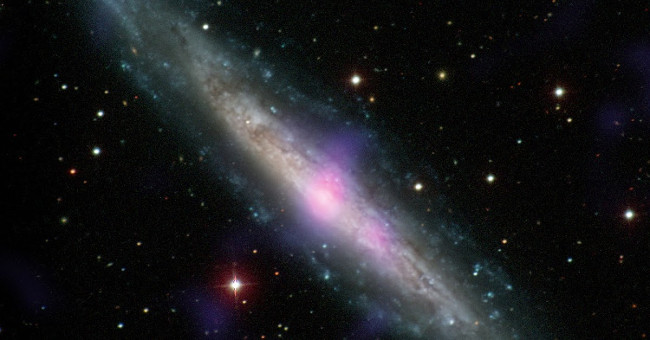
A new study confirms the existence of two supermassive black holes in galaxies near us.
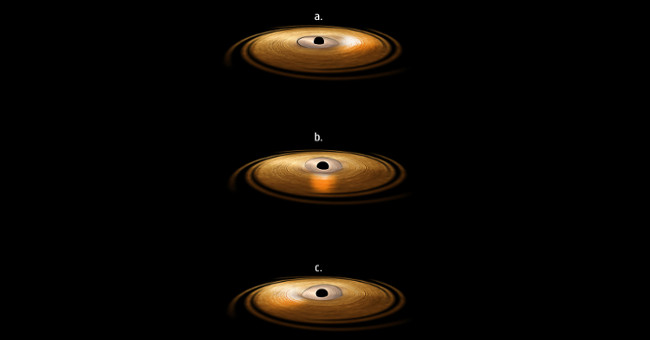
The 30-year secret about the black hole has just been answered.
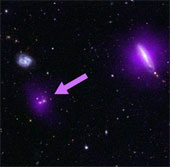
After a period of operation, this nuclear spectrophotometer has recently yielded a surprising result. It not only found a black hole, but 10 black holes in the center of…
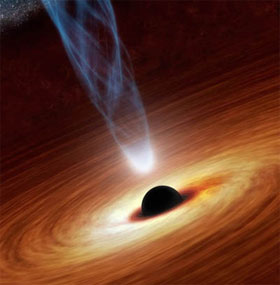
The supermassive black hole has a speed close to the speed of light. This is the discovery of scientists from the US Aeronautics Agency (NASA) thanks to the integration…
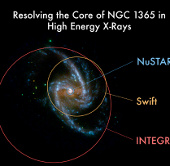
For the first time astronomers have measured the rotation speed of a supermassive black hole, and it rotates at nearly the speed of light.
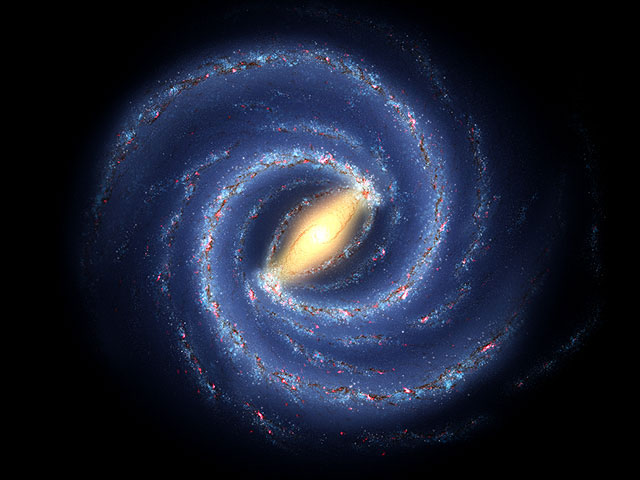
The telescope named NuStar was pushed into orbit to begin the mission of two years of searching for black holes, remnants of exploding stars, and other strange objects t…
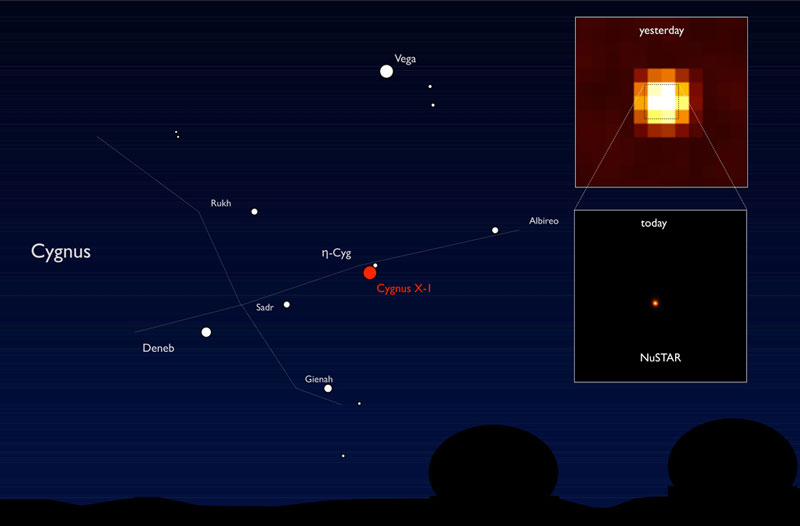
The Nuclear Spectroscopic Telescope Array (NuSTAR) - the name of the telescope that the US launched into space on June 13 - directed cameras capable of capturing short w…
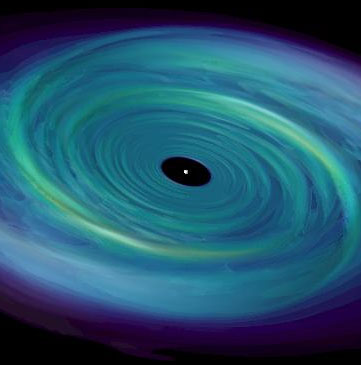
The US Aerospace Agency (NASA) announced on May 30 that it will use an ultra-modern satellite telescope in the next month to search for black holes in the universe. This…
NASA's NuSTAR nuclear spectrophotometer is currently helping scientists decipher the mystery of how stars become supernova by mapping the remnants of the radiation mater…