Discover science
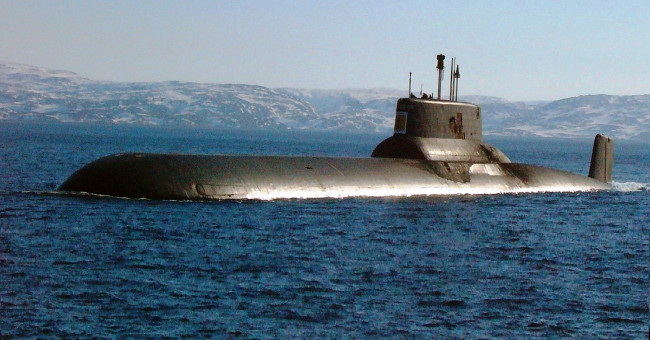
Where is the all-time nuclear submarine buried?
When nuclear submarines are no longer in use, experts will dismantle them in a complicated and time-consuming process.
Browse ScienceInfo articles and explainers related to Nuclear.
1,147 published items.
When nuclear submarines are no longer in use, experts will dismantle them in a complicated and time-consuming process.
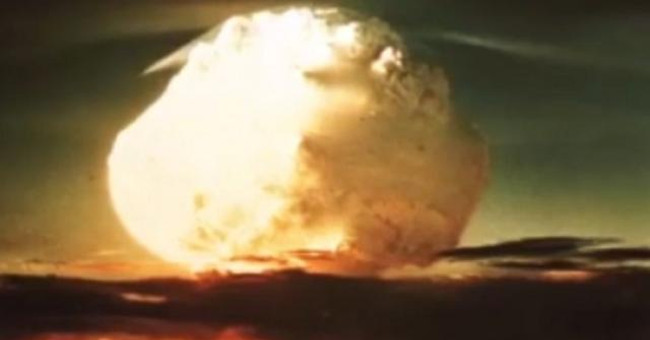
Aliens may have brought a nuclear bomb to Earth 12,000 years ago, according to conspiracy theorists.
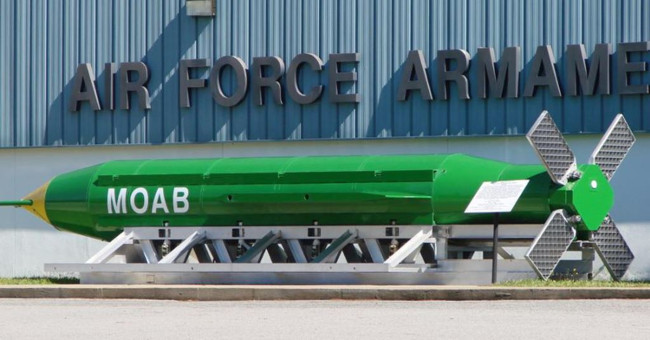
The detonation above does not help
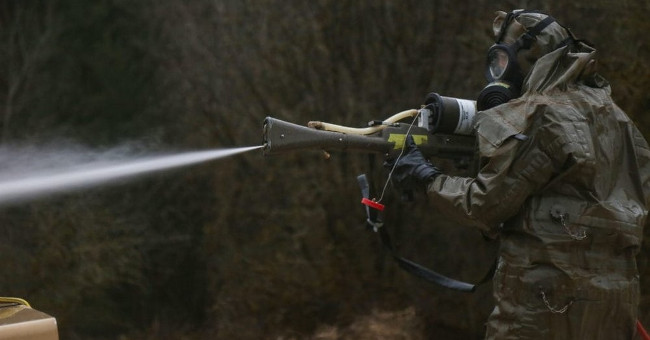
The US military deployed many different forces and weapons to detoxify when attacked by nuclear, chemical or biological weapons.
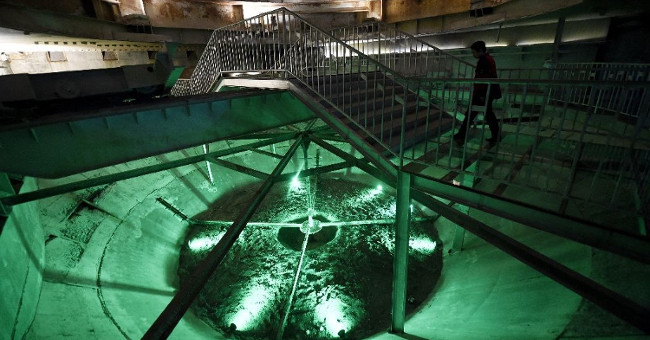
Let's visit the world's largest tunnel system, can withstand thousands of tons of explosives or a powerful earthquake of level 8, can even withstand atomic bombs and hyd…

100 years after the end of the First World War, this is still considered the largest non-nuclear explosion in the world.

The US National Laboratory has just released a video of a declassified documentary about the Cold War nuclear bomb test.

We can't explode indiscriminately with a nuclear bomb, we can't get into the Universe black hole, but we have the Z Machine to do the same.

TNT, TATP, RDX are three of the most destructive conventional explosives created in human history.
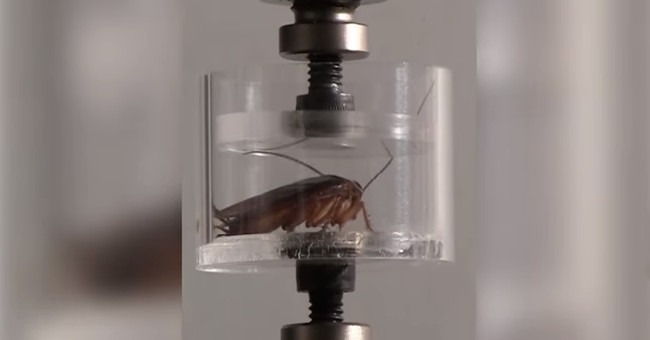
Experts at UC Berkeley have recently carried out ... to squeeze lots of cockroaches. What is the reason?
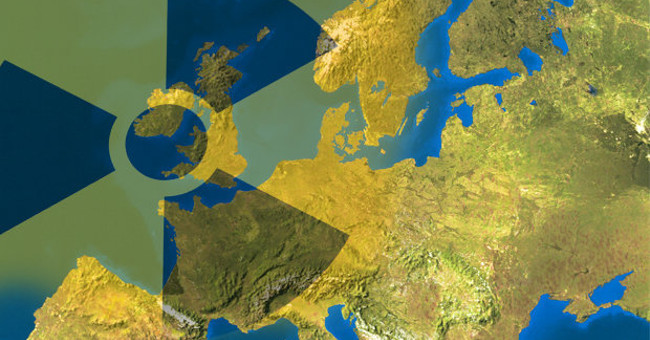
A large number of dangerous radioactive particles appear scattered 7 European countries that scientists can not explain the cause.
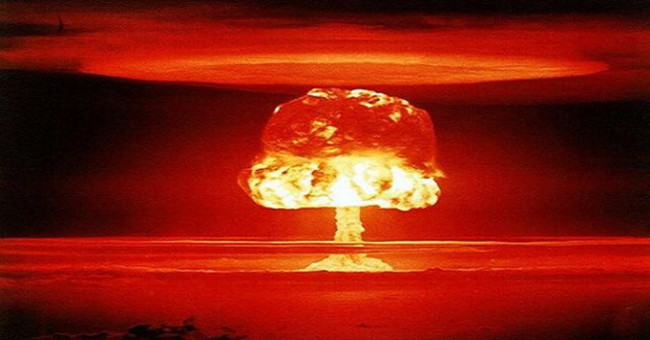
We can summarize it with a brief sentence - all explosive nuclear bombs have nothing left.

During the Rooster years: 1909, 1921, 1933, 1945, 1957, 1969, 1981, 1993, 2005 ..., a series of important events took place as World War 2 ended.

On a beautiful afternoon, Wired newspaper reporter went to the factory called

Return the nuclear suitcase, find a new property, say goodbye to the people and associates, that is the list of things the US president needs to do before the end of his…