Space science
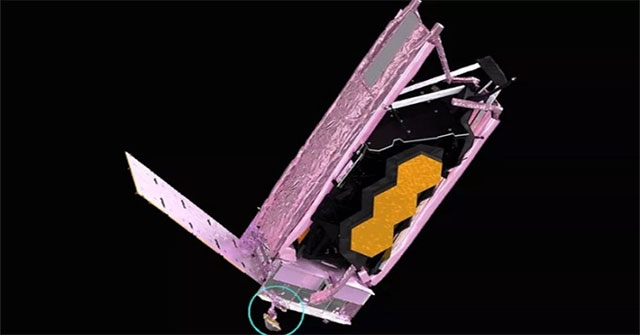
James Webb telescope successfully opened antenna
NASA's James Webb Space Telescope successfully deployed an important antenna on December 26, just a day after launching into space.
Browse ScienceInfo articles and explainers related to Observation.
312 published items.
NASA's James Webb Space Telescope successfully deployed an important antenna on December 26, just a day after launching into space.
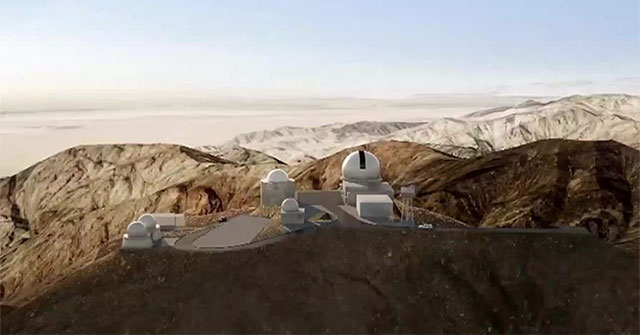
China is building a world-class astronomical observatory, opening a new door to its space ambitions.

Coming here, at 10:45 am on June 21, if you look out the window, you will see a ring of glowing fire appear in the middle of the sky. It is the annular eclipse - the fir…
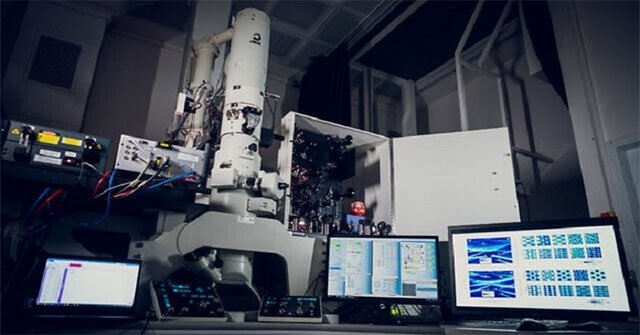
The team at the Israeli Institute of Technology (Technion) develops quantum electron microscopes that give the clearest picture of light moving inside the material.
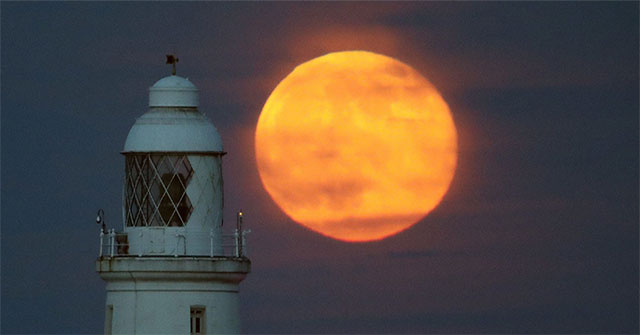
The last supernova of 2020 will occur this week with brightness that could eclipse the Eta Aquarids meteor shower, according to NASA.
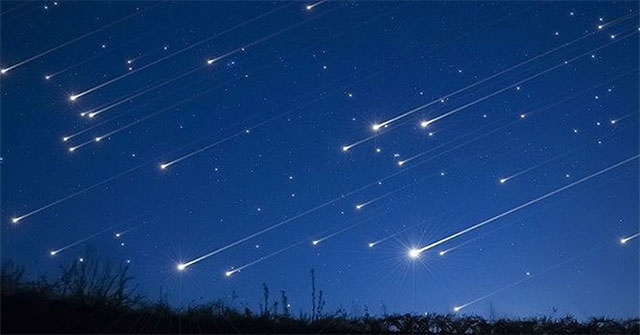
Friday night at dawn on Saturday (December 13-14), astronomy lovers will have a chance to admire the Geminids meteor shower

To make a good marksman, here are a few techniques commonly applied to achieve high efficiency in combat.

Although technology has made great progress, there are many things that scientists still have to do manually: visual observation and manual counting, such as counting st…

The Orionids meteor shower is one of the most spectacular astronomical displays of the year.
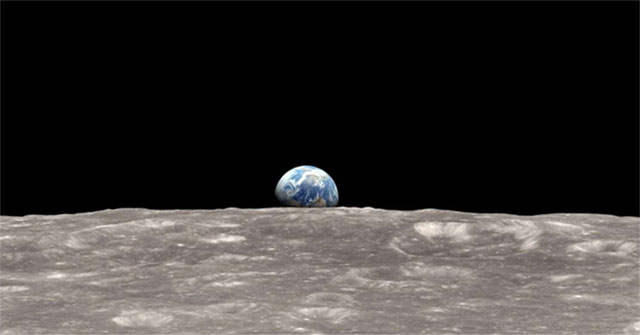
Imagine that you are an alien and always want to study the Earth or 'look at this place with jealous eyes', then the question is: Where is the most suitable place for yo…

Scientists have learned a lot about Mars in recent years based on observations from data that NASA has collected from Red Planet.
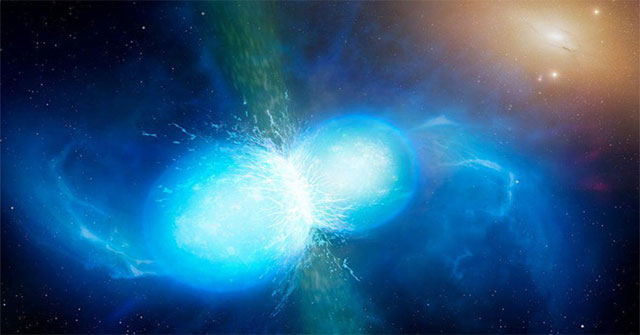
From our first observation of the collision of neutron stars in 2017, scientists realized that the 2016 gamma ray explosion was a kilonova, the type of explosion that pr…
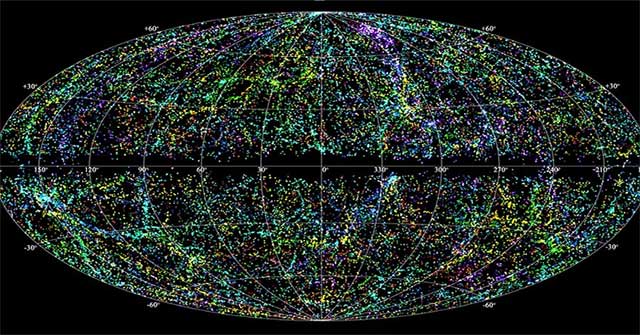
According to livescience.com, the sudden sound signals of radio waves to Earth from deep space are still a mystery to scientists.
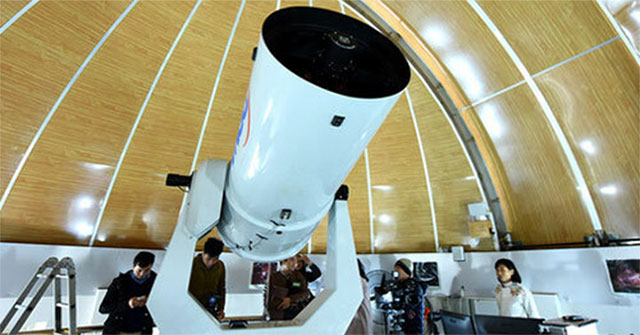
More than 100 young people who love science and space science registered to explore the sky and observed the Moonlight partly on the night of July 16.
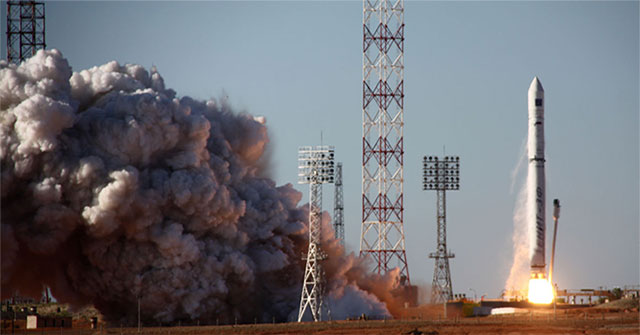
The Spektr-RG telescope is expected to be able to detect 3 million supermassive black holes and 100,000 new galaxies in operation.