Biology
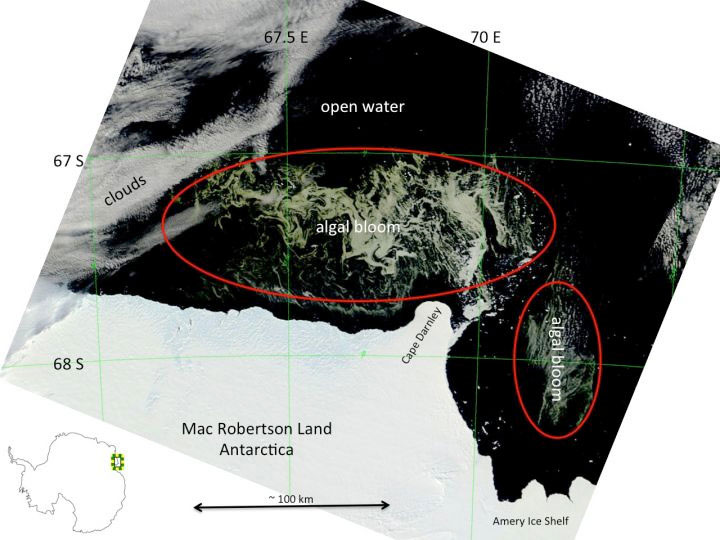
Giant algae surrounds Antarctica
With a length of up to 200 km, a cluster of algae along the Antarctic coast is so big that artificial satellites can detect it from space.
Browse ScienceInfo articles and explainers related to Ocean.
1,955 published items.
With a length of up to 200 km, a cluster of algae along the Antarctic coast is so big that artificial satellites can detect it from space.
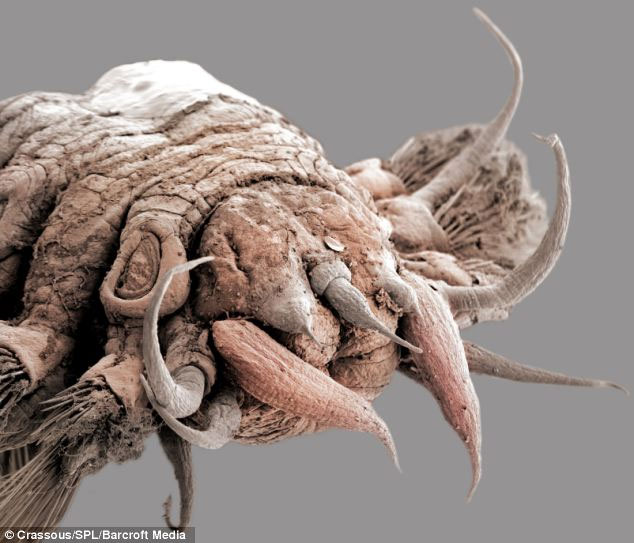
The oceanographers have found some marine creatures that live on the bottom of the ocean - it can be said to be the deepest place on Earth.
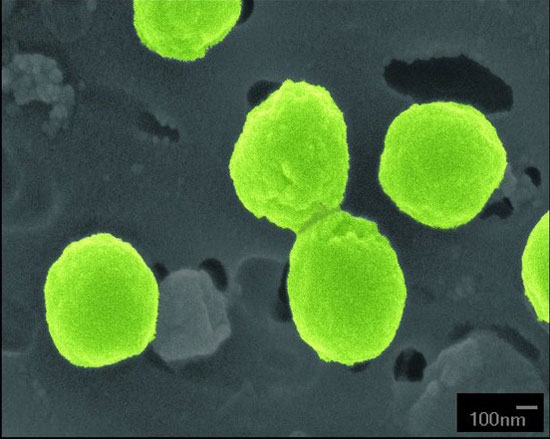
Some waters have very little creature, at first glance like 'saltwater desert' but when thoroughly studied there are surprisingly high concentrations of microorganisms.
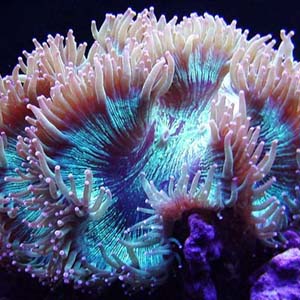
10 species of tropical coral have the most evolutionary and most endangered evolution in the world (EDGE), according to a new report by scientists from London Zoology As…
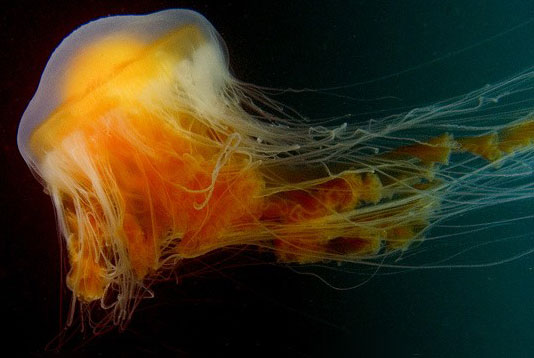
Scientists at the Basel Zoo in Switzerland have announced the success of pressing a rare and precious jellyfish that looks like a breeding egg in an artificial environme…

A bacterium never seen before was discovered in the wreck of the Titanic deep in the ocean.
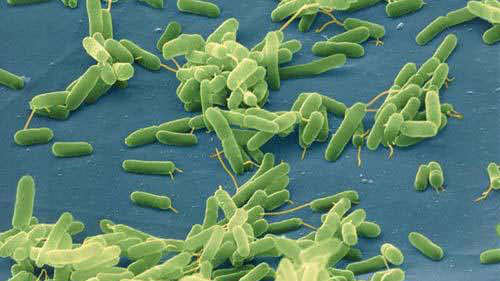
The thermophilic bacteria on the ocean floor of the Arctic Ocean may have slept for 100 million years to wait for
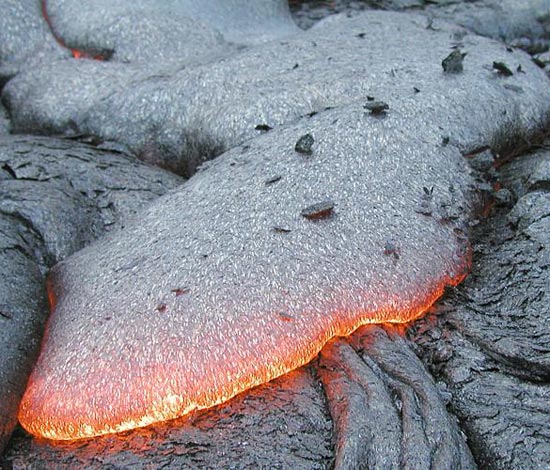
Plankton are the foundation of the marine food chain, they need sunlight to carry out photosynthesis as well as other nutrients like nitrate, phosphate and iron to feed…

Statistics of the Institute of Aquatic Life of America published a huge number of bacteria, 10 ^ 30 new species have not yet been named.

Over 80% of plants and more than 90% of animals in Madagascar cannot be found anywhere else on the planet.

Experts say more than half of the reefs may disappear within the next 50 years, largely due to climate change, causing ocean temperatures to rise.
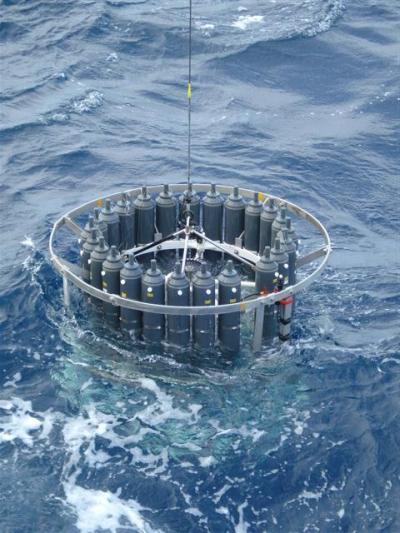
Phytoplankton form 'underwater' forests, and are responsible for providing nearly half of the oxygen needed for life on Earth, including ourselves.

A surprising discovery made by scientists at the Carngie Institute
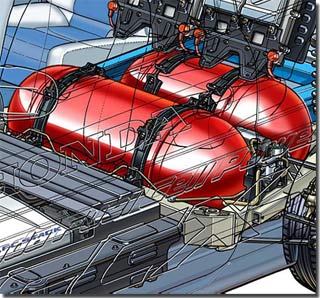
It is estimated that about 80 years from now, the energy sources we are using will be exhausted because people have been making the most of their use, and with the level…
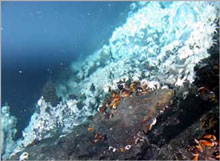
Some genes that allow the current bacterial species to infect humans may originate from a microbial ancestor that once lived in the deep ocean.