
Animal world
The pigeon also distinguishes caste in the herd
Research by scientists from Oxford University, England and University of Eotvos, Hungary, pigeons are also important
Browse ScienceInfo articles and explainers related to Oxford.
107 published items.
Research by scientists from Oxford University, England and University of Eotvos, Hungary, pigeons are also important

Patterns on the back of a spider in Hawaii form an image that resembles a smiling face of a human.

British scientists discovered the world's largest helium gas mine in Africa with reserves of about 1.5 billion m3.
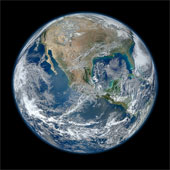
Martin Brasier, a professor of earth science at Oxford University in England, and his colleagues studied biochemical processes on Earth from 1.9 million years ago.

A professor at Oxford University, England, received a prize of $ 700,000 for successfully demonstrating the last theorem of Ferrmat, the equation that eroded the minds o…

Stephen William Hawking is a theoretical physicist, cosmologist, and author of the English common science book.

British disabled scientist Stephen Hawking is famous for finding the answer to the most difficult problems of modern physics.

Physicist Stephen Hawking did not waste his genius with IQ 160 when he continued to devote himself to science, breaking the diagnosis that he could only live for another…
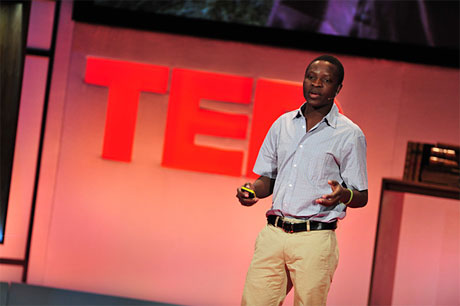
The 19-year-old William Kamkwamba farmer from Malawi surprised the scientists and designers at the TED Global High Tech Conference in Oxford (England).

Not all stroke patients can use an artery. If a patient has a rupture of a cerebral vein, it will make the illness worse.

Blindness can be cured by using gene therapy to reprogram cells in the retina to make these cells possible.

Parents who notice, setting wind chimes in the kitchen or dining area can encourage children to eat more green vegetables.

Biagio Russo is the first baby born in the UK to use breakthrough new embryo screening techniques, which can greatly improve the birth rate of couples using in vitro fer…
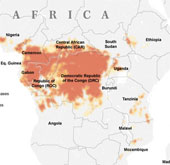
Ebola pandemic is at risk of outbreaks in 15 African countries, threatening the lives of 22 million people.
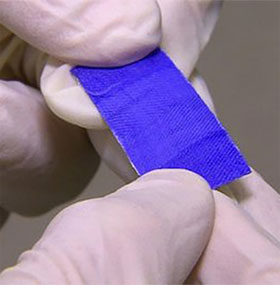
With a biodegradable implant development project, researchers at Oxford University (UK) hope to improve the success rate for future surgical fishes.