Biology
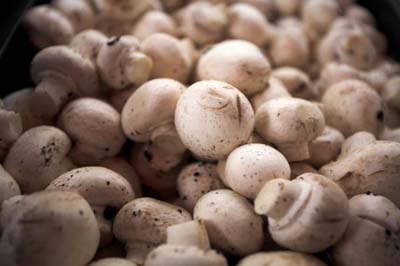
Button mushrooms contain more antioxidants than other expensive mushrooms
The tiny white button mushroom (greasy mushroom - Agaricus bisporus) has more antioxidant properties than other expensive mushrooms.
Browse ScienceInfo articles and explainers related to Oxygen.
500 published items.
The tiny white button mushroom (greasy mushroom - Agaricus bisporus) has more antioxidant properties than other expensive mushrooms.

A surprising discovery made by scientists at the Carngie Institute
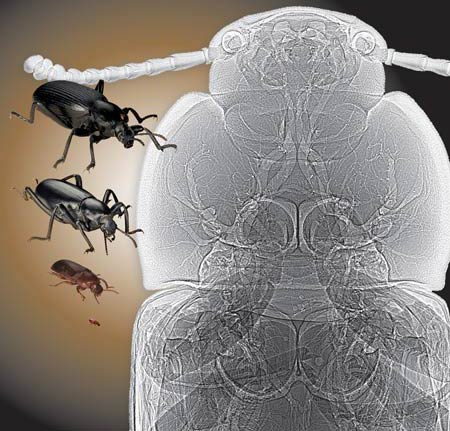
Millions of years ago, giant insects had swept across the earth, but only after a while, they disappeared. Scientists don't know why they are just
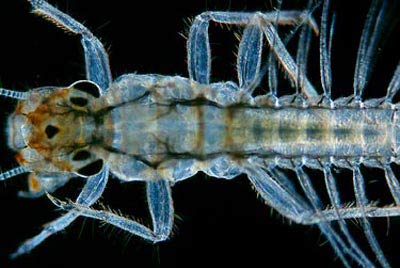
Insects can hold their breath for many days and still be okay ... Nature has provided them with a strange respiratory system, capable of closing the oxygen source to sto…
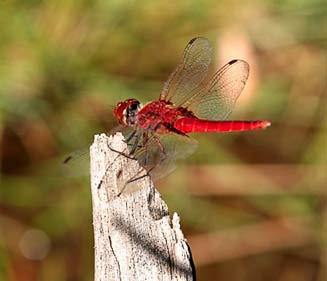
Nearly 300 million years ago, giant insects also roamed and flapped their wings on the planet, with dragonflies with large wingspan of hawks - about 76 cm. At that time,…
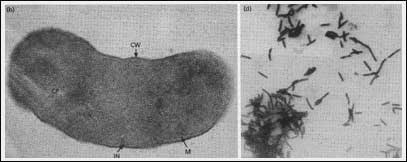
Methane is the oldest organism on Earth. In the early days of the Earth's formation, in the pristine environment and lack of oxygen as in the dead, the first creatures w…
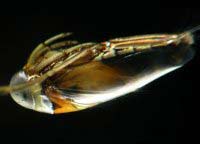
In order to stabilize the underwater posture, divers often wear a inflatable jacket or be slightly deflated. The aphid species (Anisops deanei) specializing in backyard…
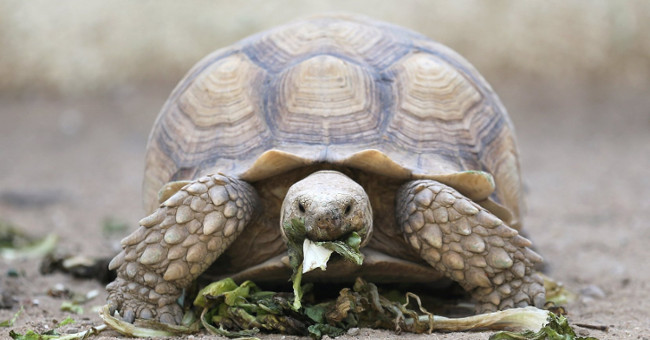
Turtles are cold-blooded animals - so their body temperature changes according to the external environment. If the underwater temperature is 1 degree C, then the tempera…
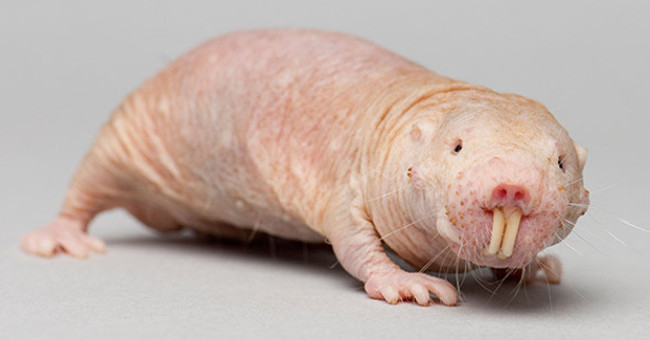
An oxygen level is so low that humans will die within minutes.
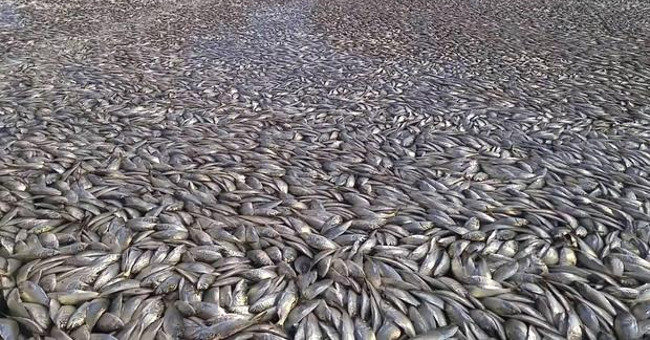
Thousands of Atlantic oil sardines are trapped in the Shinnecock channel, the United States and died of suffocation, covering the canal.

We know that frogs are amphibians that can breathe through their lungs and skin. But when they were tadpoles they lived completely under water.

Spider is always an obsession for most of us not only in real life but also in movies. But is it all scary?
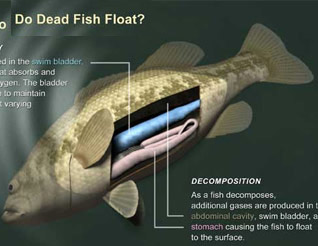
Other animals that die in the water often sink, particularly the fish quickly float to the surface. A special chemical mechanism made them so.

The researchers found an Antarctic octopus that possessed exotic blue blood, allowing them to survive under temperatures below 0ºC and even higher temperatures due to gl…