
Oceanography
Shark sanctuary on the Pacific Ocean
The Marshall Islands government decided to establish the world's largest shark sanctuary, nearly 2 million square kilometers. This Pacific island nation plans to ban sha…
Browse ScienceInfo articles and explainers related to Pacific.
657 published items.
The Marshall Islands government decided to establish the world's largest shark sanctuary, nearly 2 million square kilometers. This Pacific island nation plans to ban sha…

Scientists at Scripps Institution of Oceanography, San Diego, USA have discovered a giant metamorphic worm in the deepest area of the Pacific Ocean.
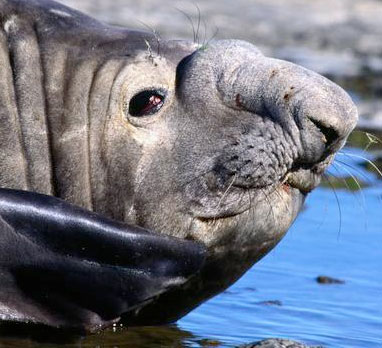
American scientists have found a new way to study difficult areas in the Pacific.
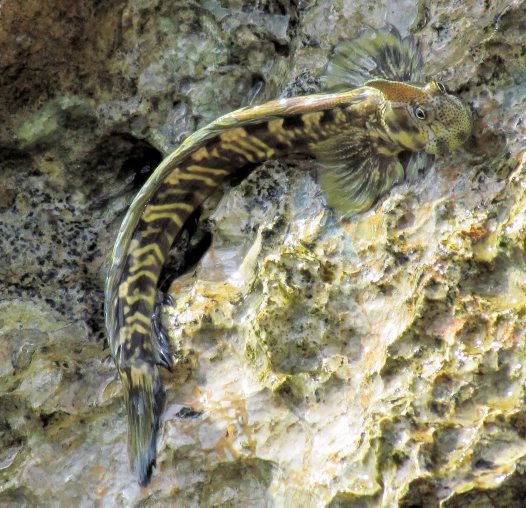
Pacific Cloudfish (scientific name Alticus arnoldorum) - is a fish that lives on land and can jump long distances without legs. This is a marine fish but on land in all…
Scientists found that there are two large areas in the North Pacific Sea that are a promising land for marine life, attracting a diverse array of predators in the projec…
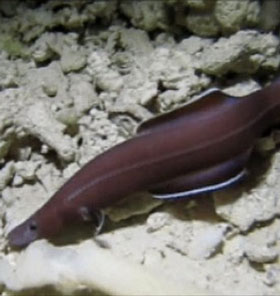
The group of American, Palau and Japanese scientists discovered the new type of eel, known as the
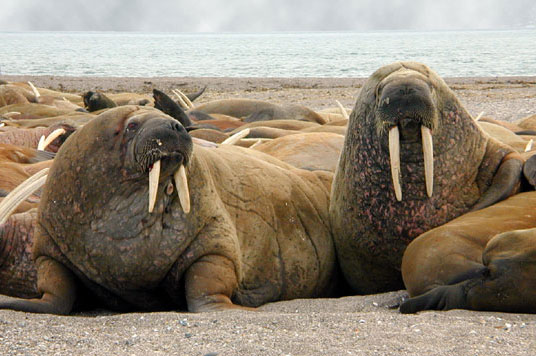
The Pacific hippopotamus began gathering on the northwest coast of Alaska, to the sandy beaches of the sea.
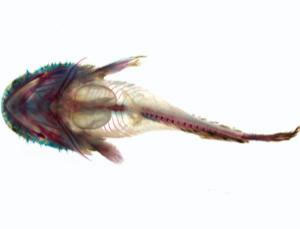
A Western three-spotted demon-faced fish is the first species discovered to sound like a baby's cry.

The report, published in the journal Genome Research, said US scientists have discovered three new strains of amphibian fish using mitochondrial DNA sequencing technolog…

Scientists have discovered the smallest known whale population in the world that lives in the northeastern Pacific Ocean.
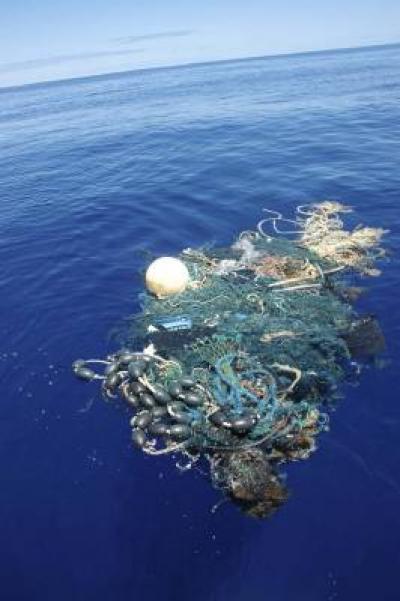
Scientists have just completed a special expedition into the region.
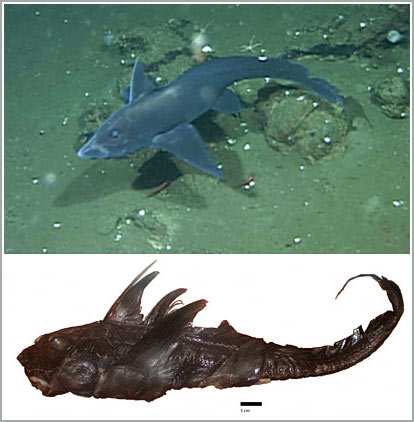
US scientists have discovered a mysterious shark in the eastern Pacific. In this species, the genitals of the male fish lie on the forehead.

Scientists identify the deepest place in the Pacific with a distance of 11,000 meters, and are not easy to study at such depths.
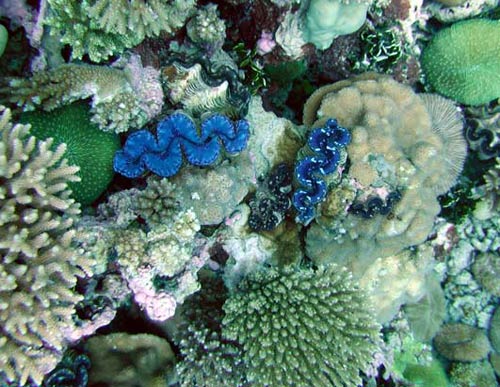
In one of the largest conservation efforts in history, President Bush yesterday announced the planning of a large-scale biodiversity conservation area in the Pacific.
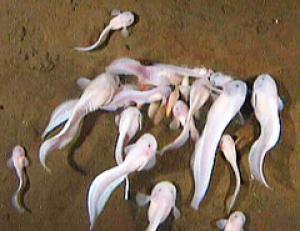
Scientists filmmaking in one of the world's deepest slots discovered a fish-like tadpole (snail) that lives in the flock gathered around the bait.