Medicine - Health
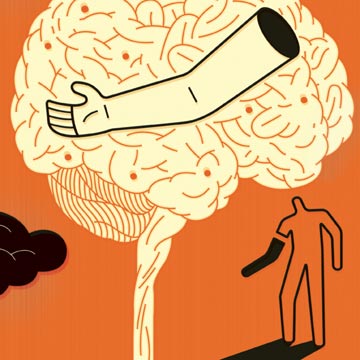
'Ghost arm' appears on the chest
What is 'ghost arm'? Scientists explain why a 'ghost arm' appeared from a patient's chest.
Browse ScienceInfo articles and explainers related to Patient.
2,638 published items.
What is 'ghost arm'? Scientists explain why a 'ghost arm' appeared from a patient's chest.
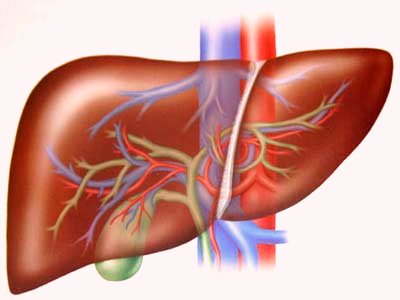
British scientists say they can create liver cells for the first time by re-establishing stem cells from patients' skin samples.
Canadian scientists have used artificial corneas to successfully restore sight to some patients, thereby helping them avoid the risk of blindness.
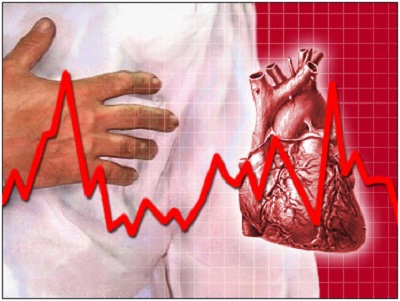
According to German scientists, patients with chronic heart failure who receive their own spinal stem cells will have a healthier heart and can live longer.
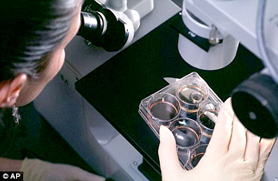
California biotech company Geron has been approved by the US Food and Drug Administration to test embryonic stem cells to treat paralyzed patients with spinal injuries.
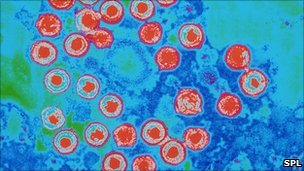
British scientists say they have used Herpes virus to successfully treat some patients with head and neck cancer (including oral, tongue and palate cancer).
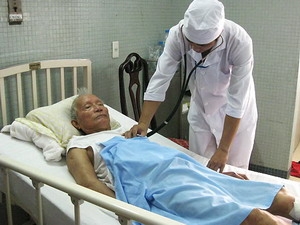
According to new research results, B vitamins are safe but have no protective effect on people who have had a heart attack.
Magnetic resonance imaging (MRI) can help solve prostate cancer better than aggressive treatment.

British media on June 21 reported that patients with paralysis could one day move on their own thanks to a chip embedded in the brain along with controlled limbs.

The FDA will approve this week's prostate cancer vaccine as an important milestone in preventing disease and cancer in general.

Scientists at the University of Tokyo have successfully studied gene analysis methods to choose the most suitable treatment for each bladder cancer patient.

The cancer vaccine uses the patient's own immune system to fight a federal-approved disease.

According to a study by Spanish scientists, doctors may soon use dark chocolate as a medicine to treat liver diseases.

On April 28, a retired British became the first patient in the world to have a heart surgery using a completely controlled remote robot arm.

A new study by Swedish scientists found that the number of real teeth of patients with dental disease is closely related to the probability of cardiovascular disease.