Discover science
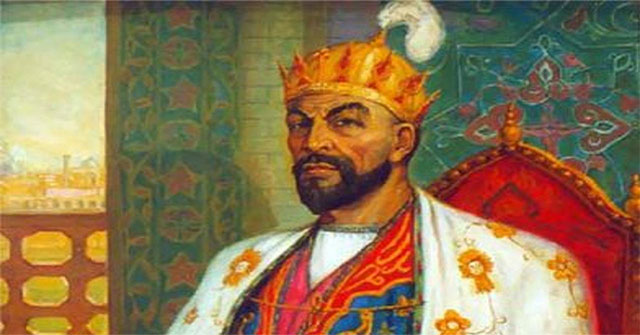
Terrible atrocities killed 70,000 people making human skull towers
Tamerlane, also known as Timur, the founder of the Timur empire, is remembered for being a cruel and violent tyrant.
Browse ScienceInfo articles and explainers related to People.
5,396 published items.
Tamerlane, also known as Timur, the founder of the Timur empire, is remembered for being a cruel and violent tyrant.
How are the ancestors of the Thai, Tay, Nung ... related to the ancestors of the Kinh or other ethnic groups? Where the Vietnamese people come from is not easy to answer.
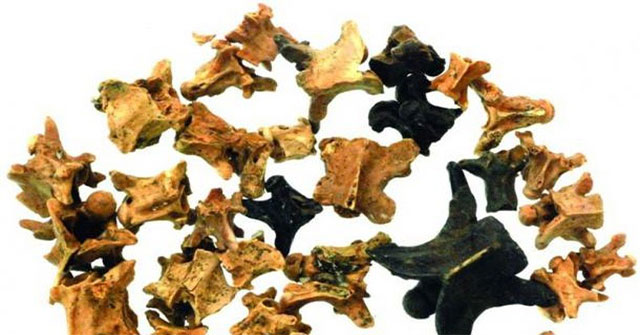
Archaeologists have discovered evidence that humans ate snakes as well as lizards and some reptiles some 15,000 years ago.

Scientists found that people living at high altitudes were less susceptible to heavy Covid-19, because their bodies adapted to the low oxygen content in the blood.
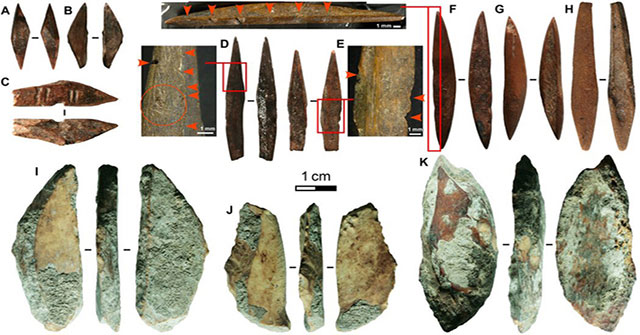
Traces of sharp objects found at the Fa-Hien Lena cave have revealed, they are likely the arrowheads used by ancient people to hunt.
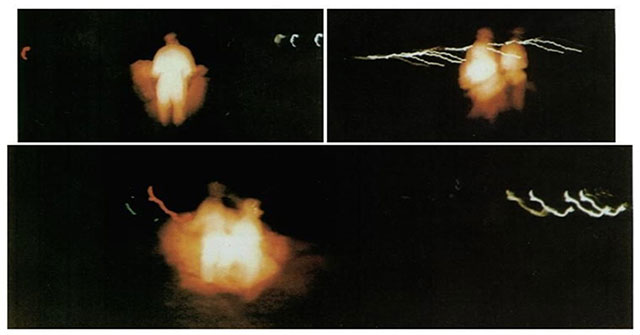
Strange encounters with UFOs (unidentified flying objects) and mysterious passengers on them take place around the world, but most of the reports involve from the United…

The rich are still human. They also have daily routines, just that it's not like normal people. And maybe you do not know, the difference is not like what we imagine.

Daily routine that looks like nothing special like biting a nail contains countless interesting things.

If you come here on cloudy days, the weak and frightened can see the statue of the 'sleeping girl' lying on the ground.

Not all foods are good for you, you can assume that you can eat as much as you want.
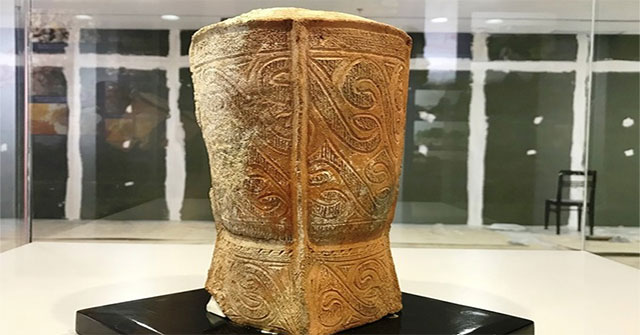
While going to Dau Tam Mountain to exploit stone, local people discovered a ceramic vase in a stone niche.
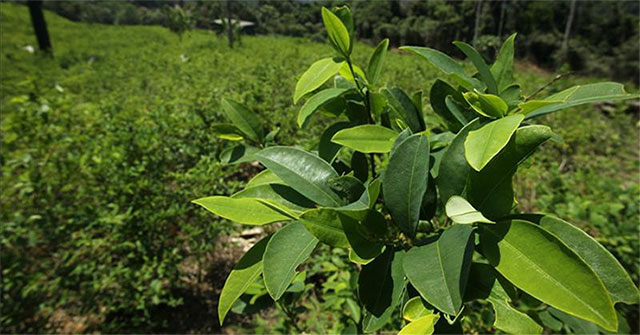
The Inca Empire was one of the flourishing civilizations in the Americas. During the flourishing period, the Incas considered a leaf more valuable than gold.

Researchers have successfully transferred the natural camouflage found in some species of squid, octopus ... into human cells.

Scientists have found a way to deliver images directly from the camera to the brains of the blind.
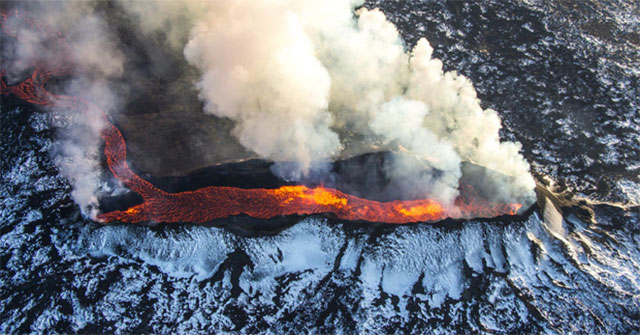
Scientists believe that in the spring of 536, many catastrophes occurred in a row and began the harshest period, threatening human survival.