Discover science
12 ways Israelis change world agriculture (P1)
From drip irrigation to bio-pesticides, Israel's agricultural revolution is bringing new ways to change the face of agricultural production.
Browse ScienceInfo articles and explainers related to Pesticide.
130 published items.
From drip irrigation to bio-pesticides, Israel's agricultural revolution is bringing new ways to change the face of agricultural production.
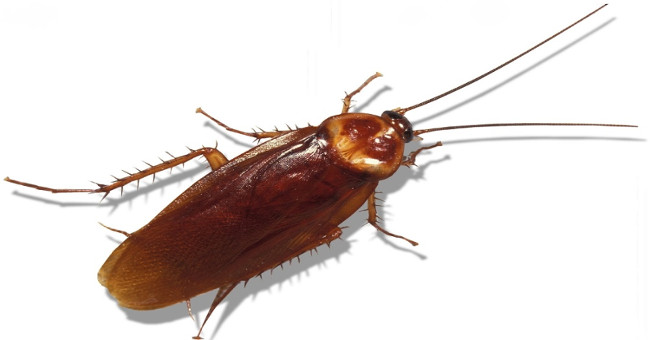
Coby Schal, professor of entomology at the University of North Carolina, had an explanation of this phenomenon.

A series of mysterious suicides in a small village in India made people believe their village had suffered

It seems that tobacco is not dangerous enough to warn people, researchers have recently found 3 pesticides in its smoke.
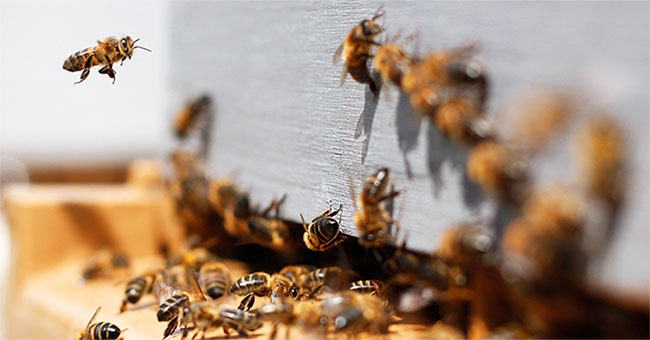
According to The Guardian, to prevent the extinction of pollinators, some countries impose a ban on pesticides, but this approach is not conducive to farmers.
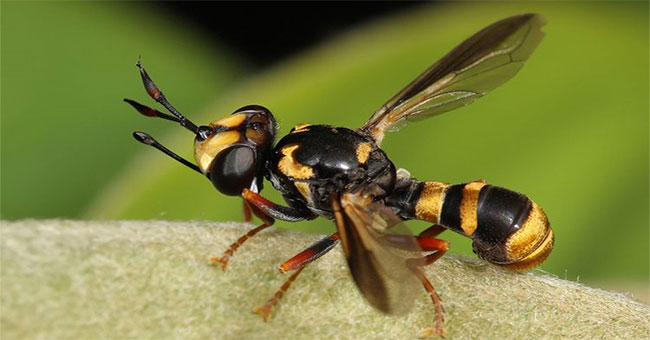
In addition to habitat loss and exposure to pesticides, bees also face increased pressure from Conopid fly parasites.
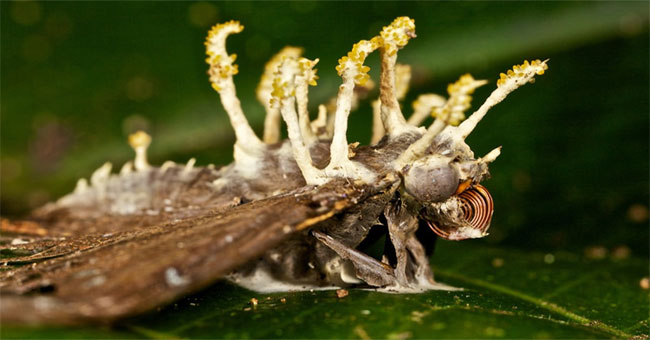
It is said that artificial pesticides are like an unwilling human friend. Although we know how scary the dangers are, we still have to use them.

Climate change, pesticides and changes in land use are factors that contribute to the decline of insect populations in Germany. T
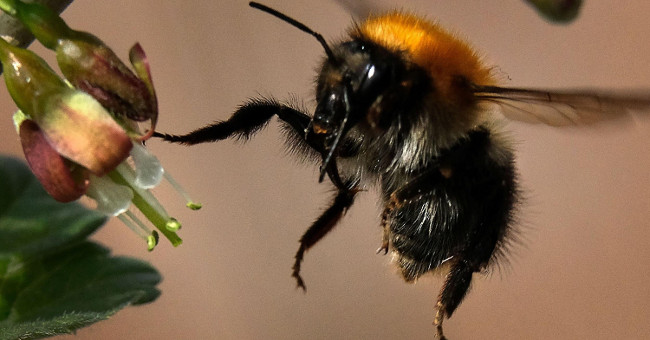
Bees and other pollinators are needed for ¾ crops in the world, but they are severely reduced in recent decades due to destruction of habitats.
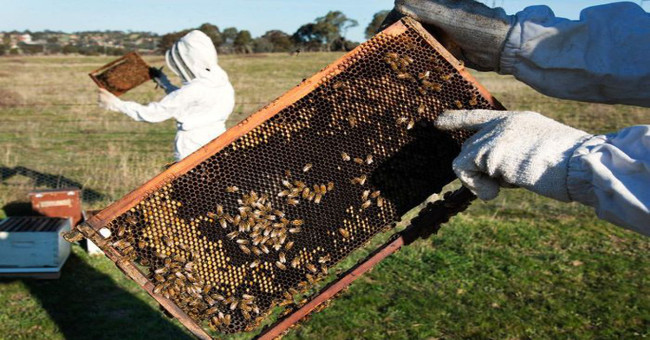
Neonicotinoid insecticides are found in 75% of global honey samples collected, half of which contain a mixture of toxic chemicals.
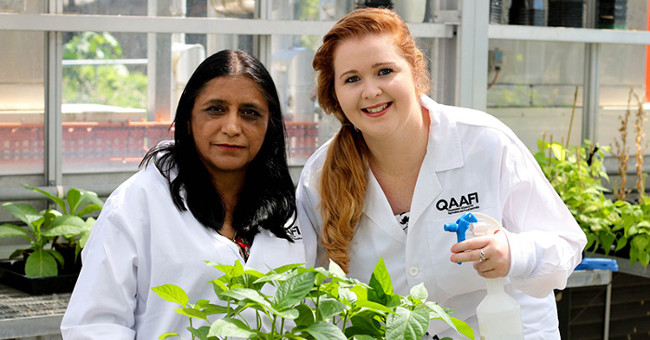
Pests threaten crops around the world, greatly affecting food security of many countries. The usual solution used by most farmers is spraying pesticides.
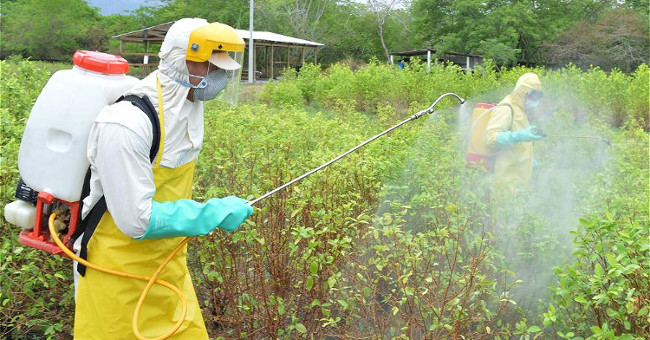
Scientists at the National Autonomous University of Mexico (UNAM) have successfully researched and patented a bio-fungicide that can prevent anthracnose that is harmful…
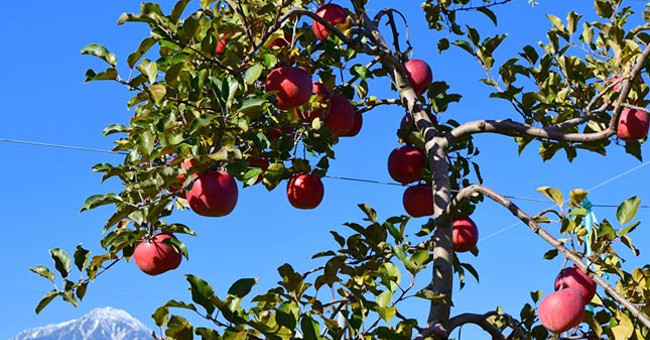
The apples did not use any pesticides and fertilizers, and did not need to be refrigerated and could be used for up to four years without failing.

Forest vegetables are not only strange, harmless, and rich in nutrients, but also do not have deep so they do not need to use pesticides.
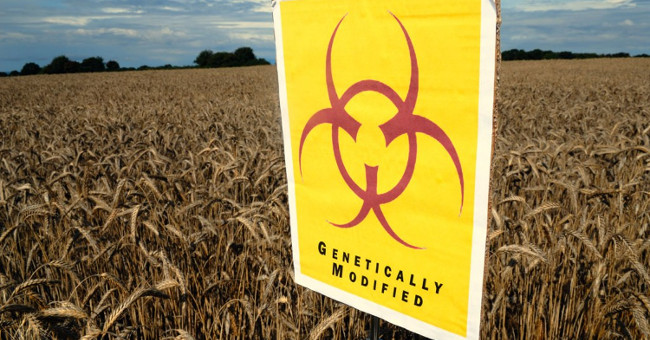
American researchers have found that raising, growing with genetic modification technology is creating super grass and super-pesticide-resistant pests.