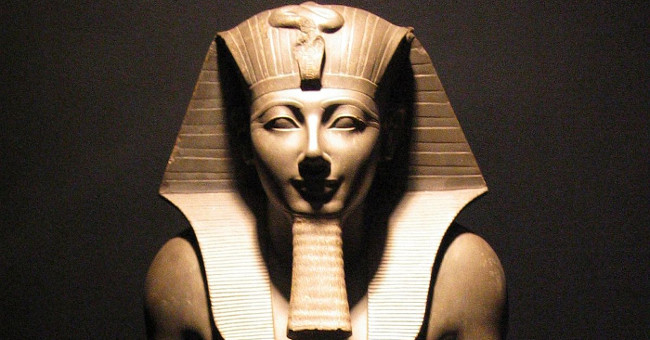
Archeology
The 3,500-year-old seal of the Egyptian pharaoh
The intricate seal engraved with the beetles of the pharaoh Thutmose III was discovered in Israel, showing the influence of the ancient Egyptian empire on the surroundin…
Browse ScienceInfo articles and explainers related to Pharaoh.
254 published items.
The intricate seal engraved with the beetles of the pharaoh Thutmose III was discovered in Israel, showing the influence of the ancient Egyptian empire on the surroundin…
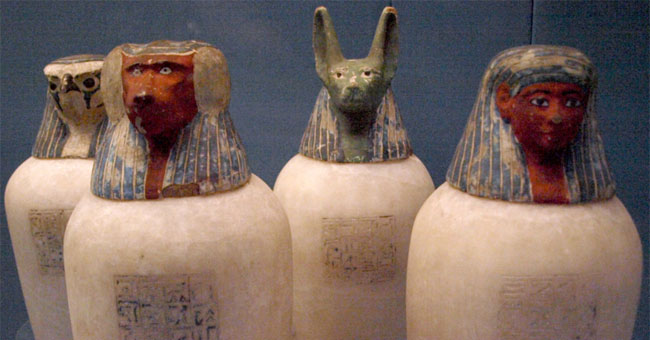
Discovered by a stray goat, a grave on the cliff in Thebes, Egypt, which is home to dozens of pharaoh's mummies, queens and princesses from many dynasties.
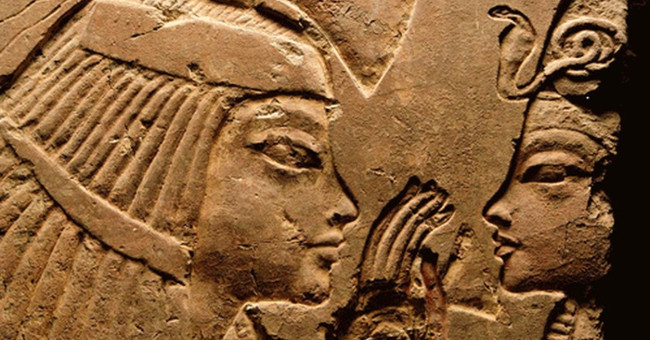
Archaeologists believe Maia, the nanny of Pharaoh Tutankhamun, could be his sister.
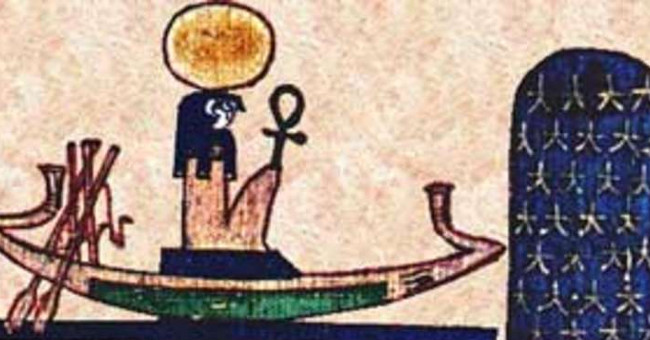
Egyptian pharaohs believe that the Abydos boat representing the cycle of life regeneration will help them reincarnate after death.
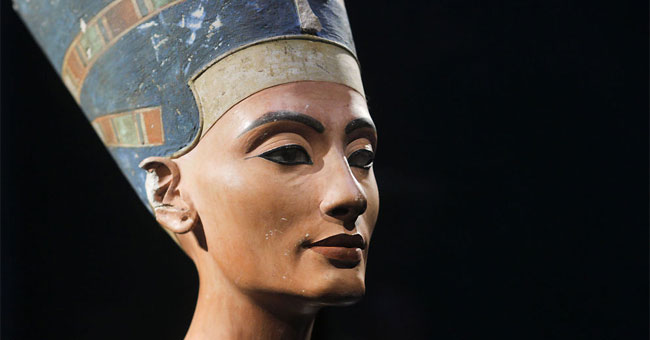
So far, the life and resting place of the Egyptian queen Nefertiti is still in secret, urging archaeologists to explore.
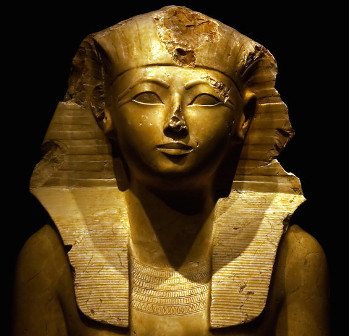
King Thutmose III, the sixth pharaoh of the 18th dynasty in ancient Egypt, tried to erase all memories of Hatshepsut but failed because the vestiges of this powerful wom…
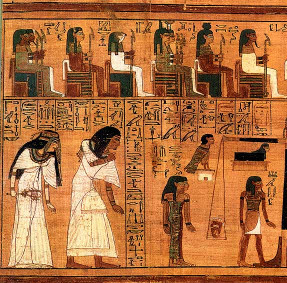
Evidence in literature and carvings appears in the tomb that scientists believe that homosexuality may have appeared in ancient Egypt.
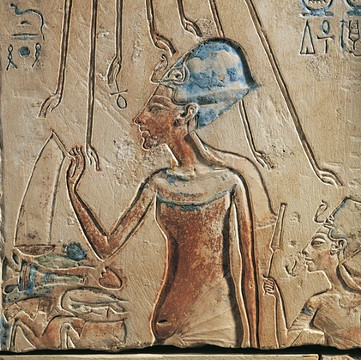
Since the bust of Nefertiti's standardized figure was found, the life of the most beautiful queen in ancient Egyptian history has become a topic of interest to researche…

Experts are fixing the beard on Egyptian King Tutankhamun's mask, after the museum staff spoiled it last year.
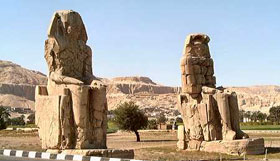
Located on the east bank of the Nile, the king valley is the resting place of many of the most famous pharaohs in Egyptian history.

Minister Damaty said the Bent Pyramid, built by the founder of the Fourth Dynasty Pharaoh Sneferu (2613-2589 BC), was chosen as the first place to implement the project.

Many Egyptians believe that Emperor Tutankhamun was the result of a close marriage between two siblings, but others insisted that he was the son of a cousin.
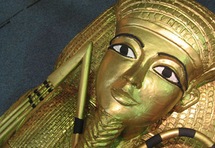
Experts say the mystery of the tomb of Queen Nefertiti - one of the most powerful women in ancient times has been answered.
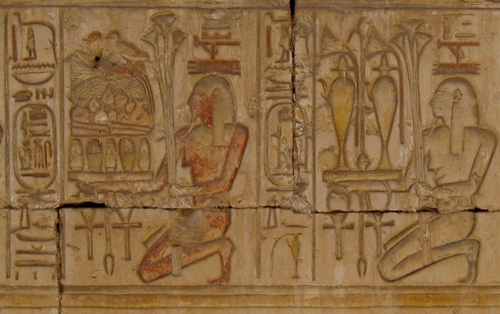
The construction of ancient Egyptian temples began with a groundbreaking ritual like modern humans.
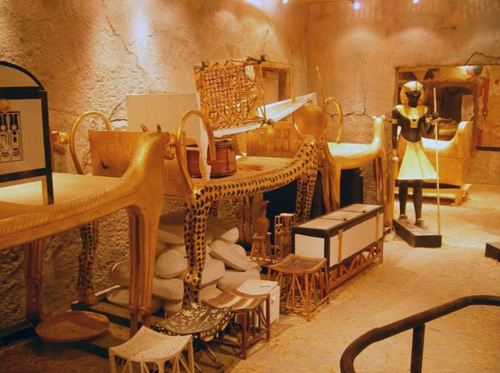
The curse is placed on the entrance to the tomb of ancient Egyptian Pharaohs to protect them from being disturbed or looted.