Biology
Global phytoplankton weighs as much as 250 million elephants
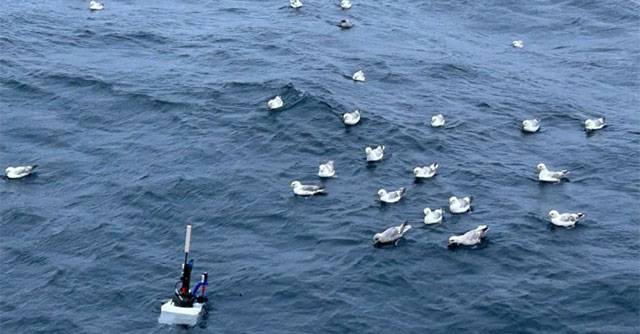
Using 903 robotic buoys, a team at Dalhousie University, Canada, estimated the global phytoplankton biomass at about 346 million tonnes, equivalent to 250 million elepha…
Browse ScienceInfo articles and explainers related to Phytoplankton.
18 published items.
Using 903 robotic buoys, a team at Dalhousie University, Canada, estimated the global phytoplankton biomass at about 346 million tonnes, equivalent to 250 million elepha…
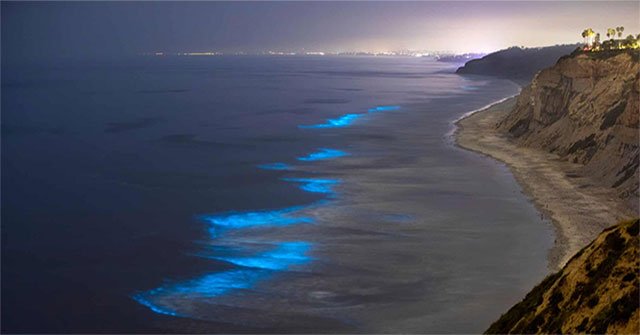
In the midst of the pandemic, nature brought an unprecedented gift to night seafarers in Southern California, USA, a bioluminescent wave caused by algae blooms.
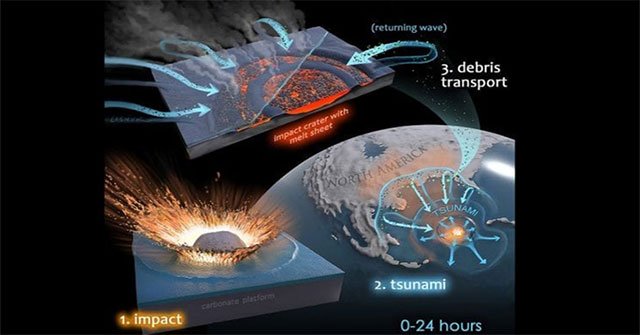
New research shows that death asteroids kill dinosaurs and 75% of species gave another life form a chance to explode, changing the face of the planet.
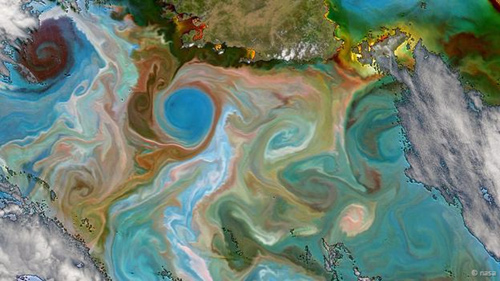
Seawater has many different colors depending on the physical and biological characteristics taking place there.

Phytoplankton has helped turn our planet into an ideal habitat by decomposing billions of tons of excreta released by herbivores.
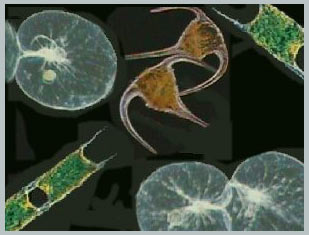
Atmospheric scientists have identified a new mechanism that could be of great importance because, because of this mechanism, chemical waste from floating plants (Phytopl…
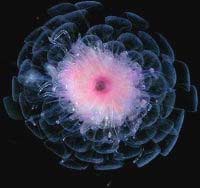
The survey of an international group in tropical waters between the eastern United States and the mid-Atlantic mountains has found between 10 and 20 new tiny species of…
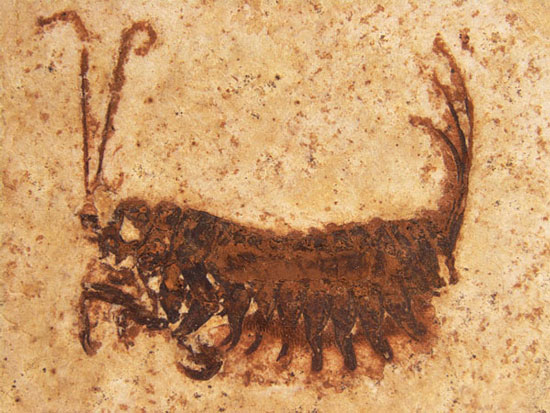
Scientists from the German Museum of Stuggart, Germany have discovered a new class of insects, living in South America at the beginning of the White Rabbit era, Global S…

A new study has shown how marine plankton affects the process of creating clouds and regulating the climate on the Earth's surface.
In the late spring and early summer every year, millions of long-tailed ephemera floated to the surface of the Tisza River (Hungary) to find partners and mate before the…
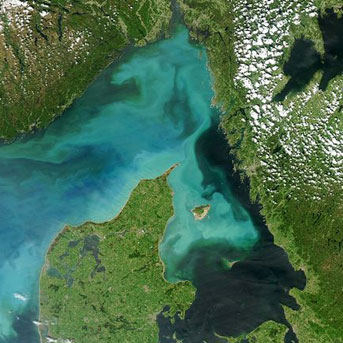
Susanne Menden-Deuer, a marine expert at the University of Rhode Island in the US, and her colleagues observed Heterosigma akashiwo, a microalgae, in the lab. Livescienc…
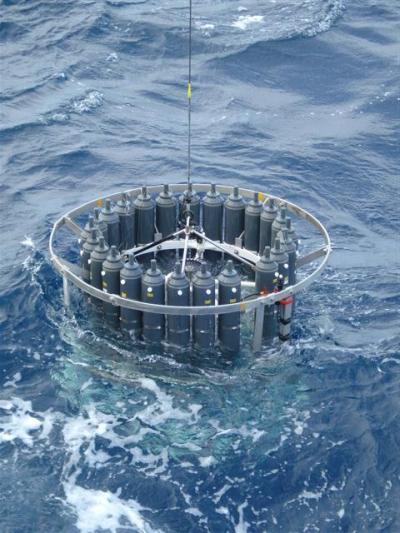
Phytoplankton form 'underwater' forests, and are responsible for providing nearly half of the oxygen needed for life on Earth, including ourselves.
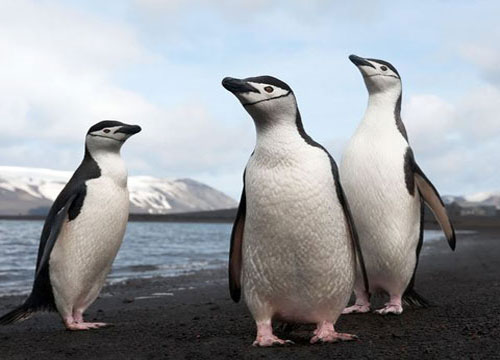
The loss of half of the penguins in the past three decades shows the crisis in the Antarctic marine life, including phytoplankton, mollusks, penguins and whales.
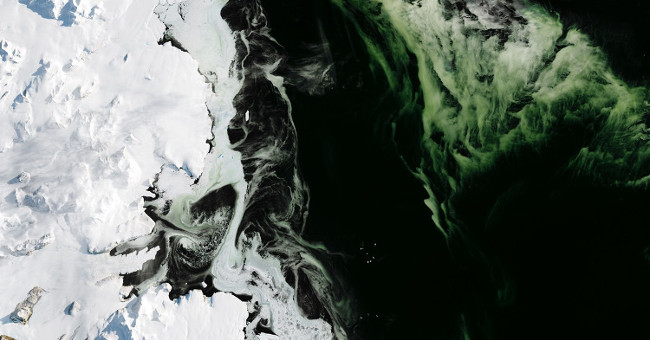
Antarctic ice sheets suddenly appear strange blue. Is this a bad thing?
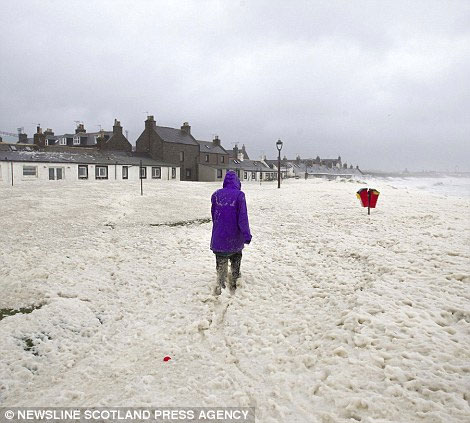
Large winds rippled across the Scottish coastline, creating a white, stormy sponge that erased a fishing village near Aberdeen on September 25.