Space science
100 billion planets in the Milky Way
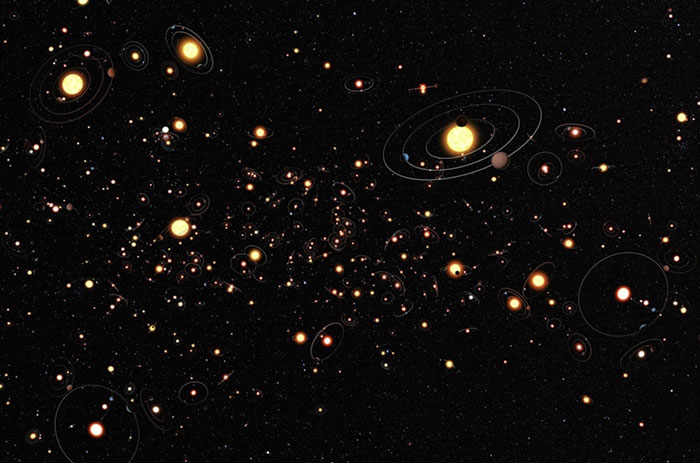
Our Milky Way Range has at least 100 billion planets according to a detailed statistical study based on the discovery of three extrasolar planets thanks to microlensing.
Browse ScienceInfo articles and explainers related to Planet.
2,878 published items.
Our Milky Way Range has at least 100 billion planets according to a detailed statistical study based on the discovery of three extrasolar planets thanks to microlensing.
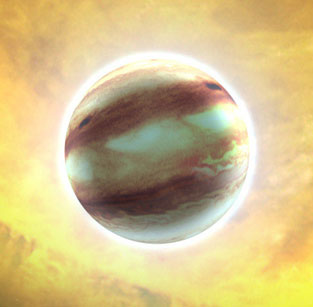
According to the researchers, the discovery of peripheral planets does not stem from the Kepler space telescope of the US Aerospace Agency (NASA) or any other space tele…
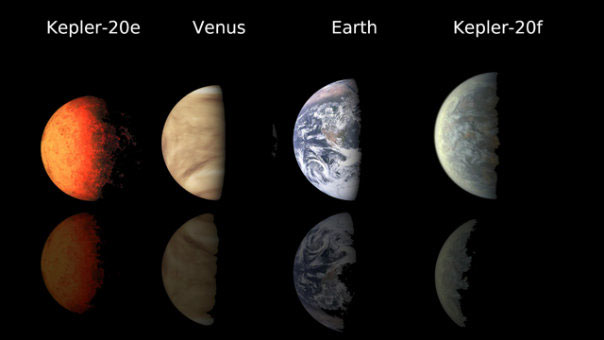
In order for a life similar to Earth to exist on another planet, scientists think aliens must also have three vital components: organic structural molecules can form com…
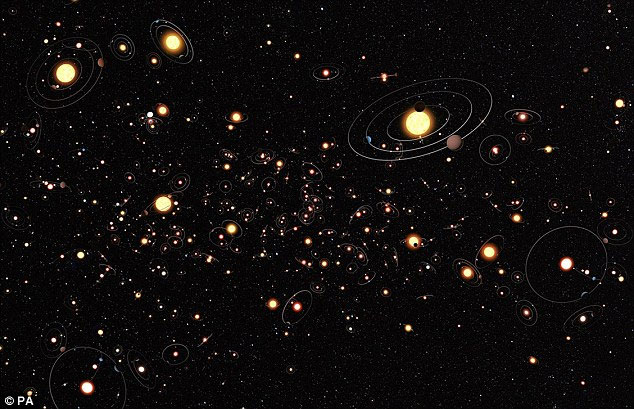
Up to 10 billion stars in the Milky Way have satellites orbiting in an orbit suitable for life.
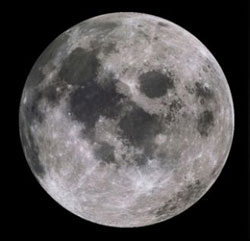

The ruins of the two planets following the dying central star, 3,900 light-years ago, provide the clearest view for astronomers about the future of the solar system in a…
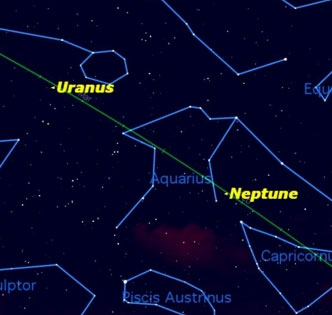
5 am on December 22 (VN time), a very rare spectacle of the universe has taken place: Venus and Jupiter glow in the sky, while Neptune and Neptune star in the sky. middl…
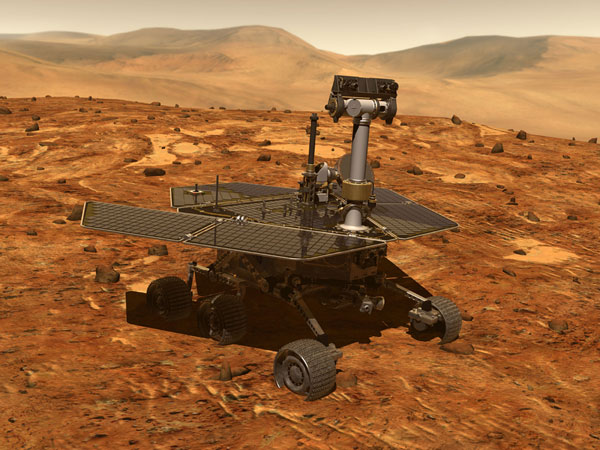
The US Aeronautics and Aeronautics Agency (NASA) said the Mars explorer robot has the full name Mars Exploration Rover Opportunity discovered mineral ores on the planet,…
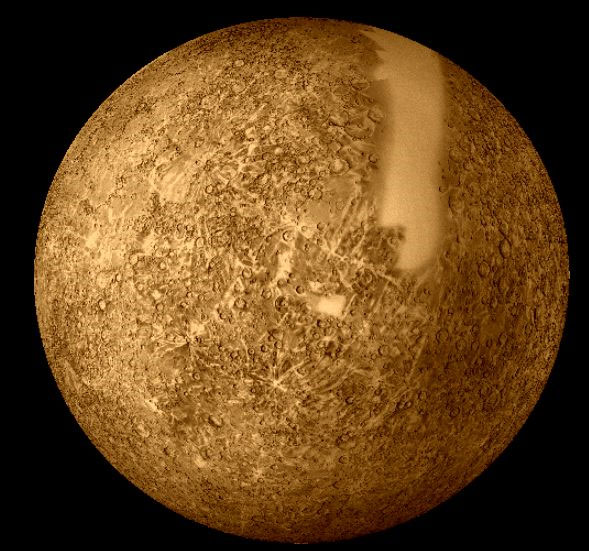
Mercury once collided with a large asteroid, which caused the planet to slow down, while also causing it to change its direction in the opposite direction to the Sun.
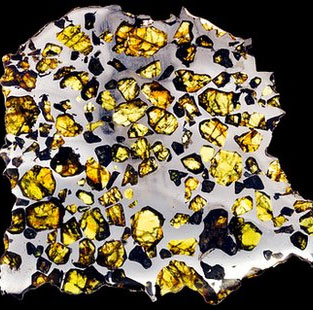
Today, astronomers have shown us that the earth is just one of the vast number of planets that can have life. Biologists have revealed to us how life on earth originated.
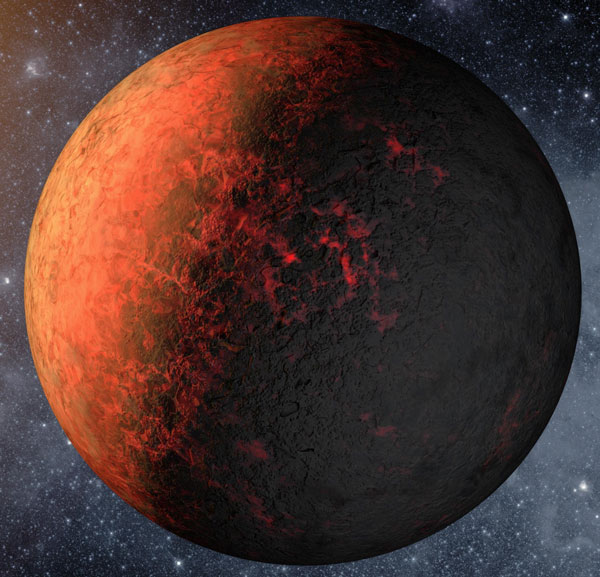
NASA's Kepler Space Telescope discovered the first two large Earth-like planets, orbiting a star like the sun outside the solar system. This is an important milestone in…
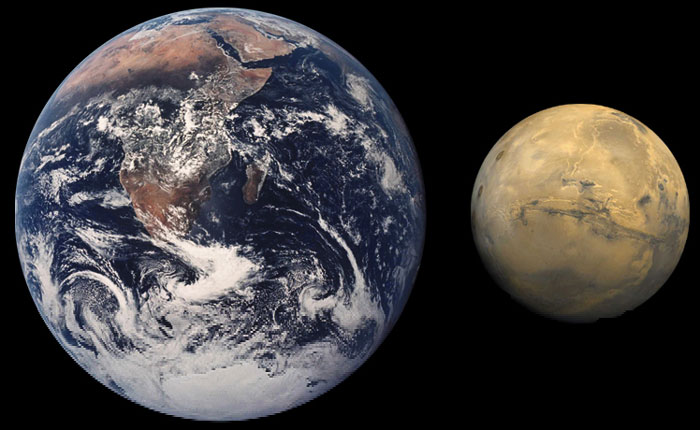
A comprehensive survey of the Australian National University shows that the space suitable for life on Mars is even greater than Earth.

After monitoring and observing 100,000 different stars, NASA's Kepler space telescope has discovered a new planet with a radius of about 1.6 times that of the Earth and…
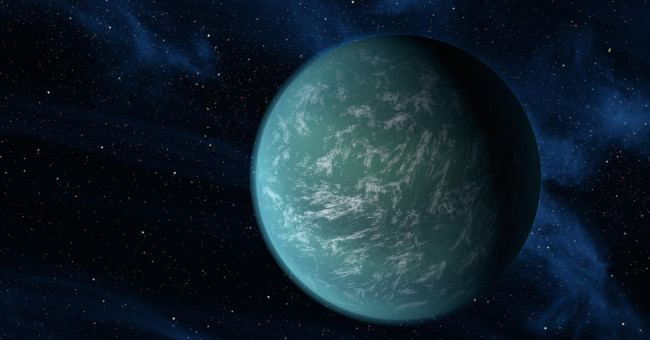
The American Space Agency (NASA) announced on December 5 that the Kepler space program has confirmed a planet in the region.

American astronomers have discovered 18 new planets of the same size as Jupiter. They turn around stars larger than the sun.