Space science
Rare phenomenon in the Solar System
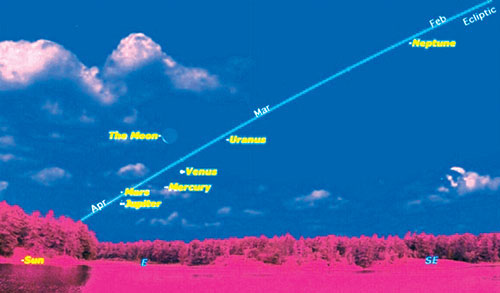
In the next few weeks, all the planets in the Solar System, except Saturn, will appear together at dawn along the zodiac line, the sun's path in the sky.
Browse ScienceInfo articles and explainers related to Planet.
2,878 published items.
In the next few weeks, all the planets in the Solar System, except Saturn, will appear together at dawn along the zodiac line, the sun's path in the sky.

NASA scientists have discovered a dry underground ice pit containing lots of carbon dioxide.
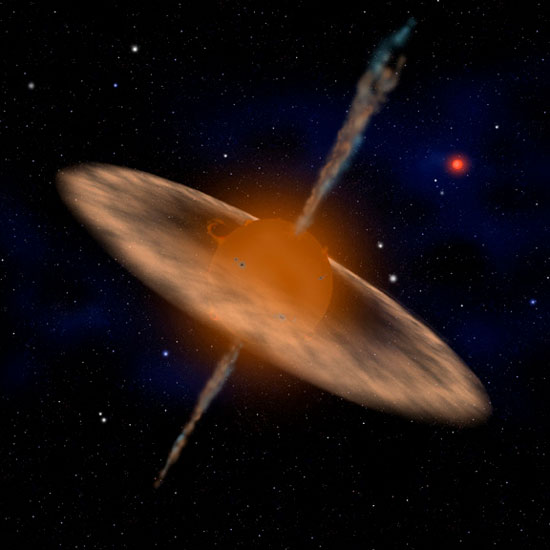
An international team of scientists, has discovered the phenomenon of bipolar carbon monoxide release from a very low-mass young MHO 5 star, in the Taurus star-forming r…
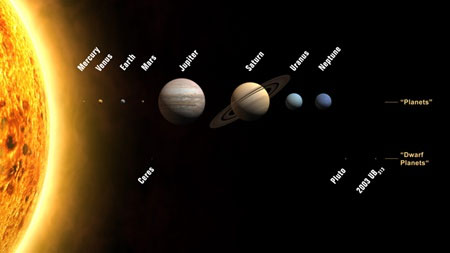
US scientists said that on May 12, four planets in the solar system will

For more than a week since the morning, people can observe how Venus and Jupiter approach each other - an astronomical phenomenon.
The bombardment of meteorite 4 billion years ago may have triggered life instead of destroying them on the surface of the globe.
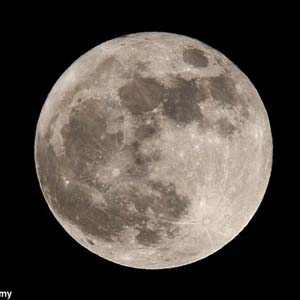
Some people think that unusual weather events such as earthquakes, tsunamis ... can happen on the day of
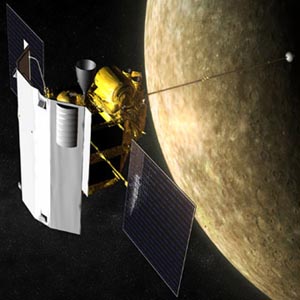
Last night an American spacecraft flew into Mercury orbit, the smallest and most exotic planet in the solar system.
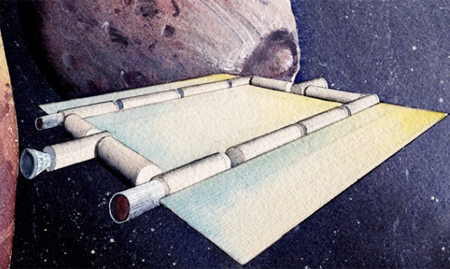
Spacecraft operating by water can help people reduce a lot of costs for Mars and other planets in the solar system.
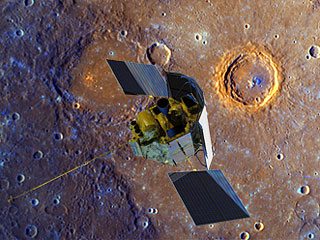
For the first time, NASA has published images of Mercury taken directly from the planet's orbit.
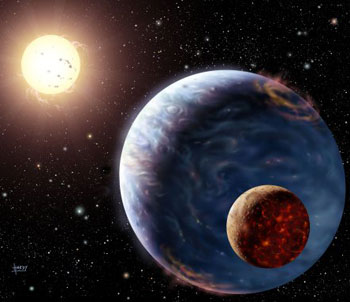
American astronomers have spent the past two years searching for the Earth-like planets most in our Milky Way and gathering them in a large-to-small sequence.
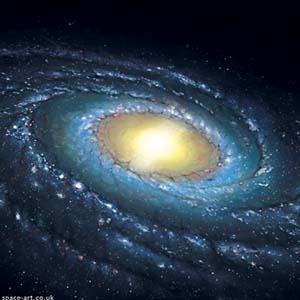
Scientists have for the first time estimated the number of planets in our galaxy and published huge numbers: There are at least 50 billion planets in the Milky Way.
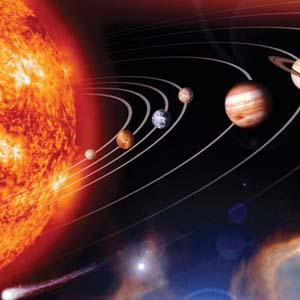
Scientists at the University of Chicago (USA) have calculated that life can exist on a planet for billions of years without a star providing direct warmth.
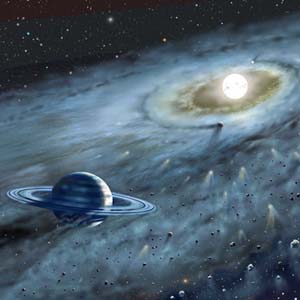
British scientists say they will host a $ 650 million program to look for the chemical signs of life on planets that orbit the distant stars.
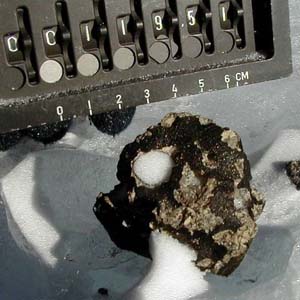
The new study suggests that life on Earth appeared when the first meteor shower fell on our planet.