
Space science
Meteors are not enough to destroy life on Earth
According to new research by American scientists, a large meteorite will not be able to destroy life on earth as previously imagined.
Browse ScienceInfo articles and explainers related to Planet.
2,878 published items.
According to new research by American scientists, a large meteorite will not be able to destroy life on earth as previously imagined.
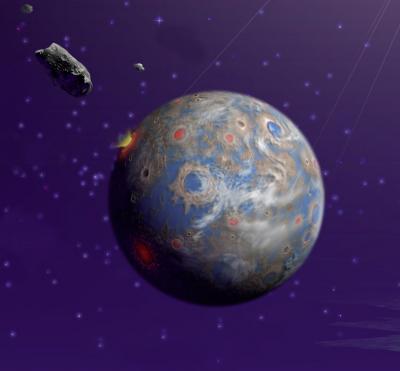
The bombing of the earth, which took place 4 billion years ago by a large meteorite in Kansas, was not enough to eradicate the entire primitive life on the planet and ev…
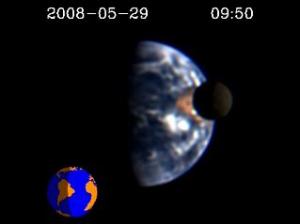
Since the early 1990s, astronomers have found more than 300 planets orbiting sun-like stars, nearly all of which are giants like Jupiter.
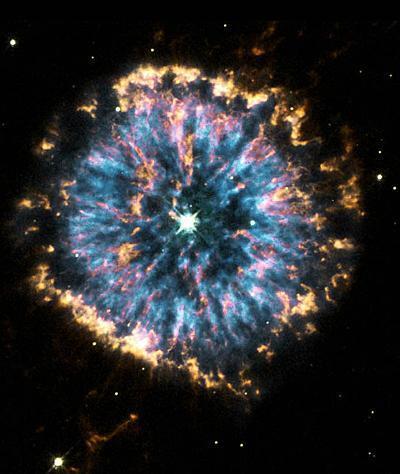
The Whole Earth Telescope (WET), a network of worldwide observatories by the University of Delaware, is synchronizing telescope tubes to provide information

The Atlantis spacecraft is undergoing the last repair and maintenance of the Hubble Space Telescope.
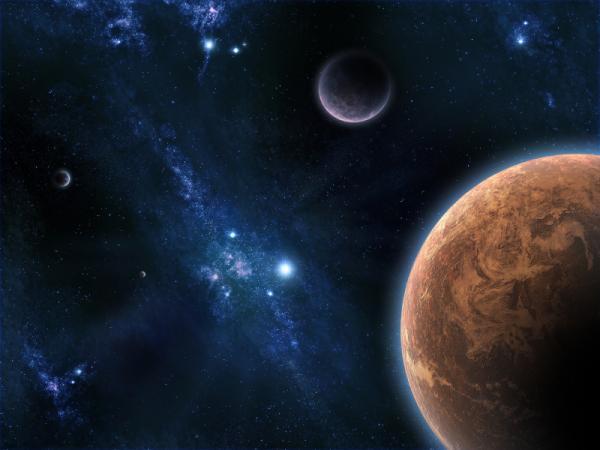
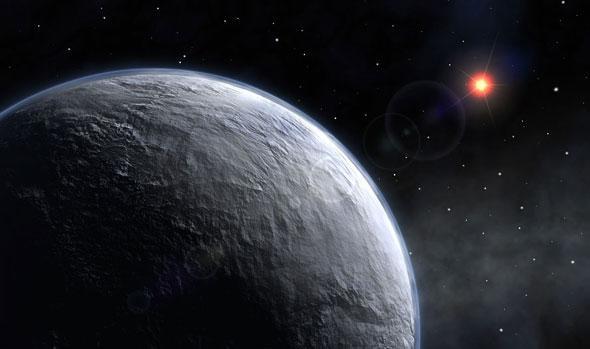
Thanks to the ability to detect the occurrence of extraterrestrial planets orbiting distant stars, scientists are now able to study hundreds of solar systems.
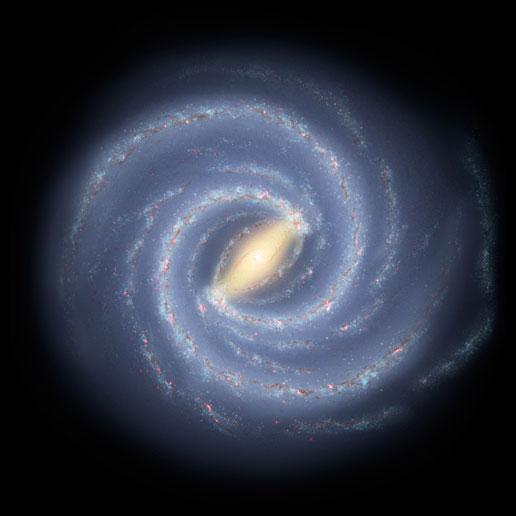
A team led by an astronomer at Indiana University has recently discovered that some large galaxies have traits that show they have just been formed.

Scientists at the University of Toronto and the University of British Columbia have helped reveal the

American scientists are planning to grow vegetables like brussels on the moon in a life test on the planet.

In the process of searching for planet-like planets, European astronomers discovered two giant planets that have many similarities to the homes of humanity.

Photos taken with Hubble telescopes and NASA's Cassini probe not only contributed to scientific research but also artistic value.
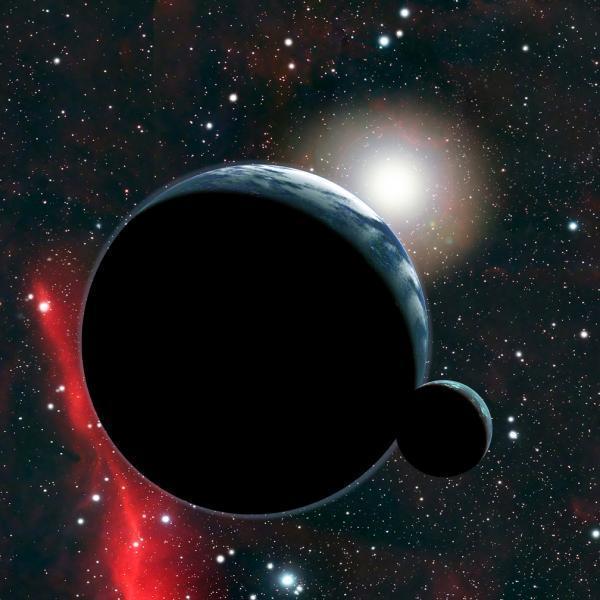
Does the Earth have twins that exist somewhere in our galaxy?

Some American scientists believe that saltwater lakes can be located directly below the surface of the red planet.

Scientists have found the rest of the 2008 TC3 meteorite rushing into the atmosphere half a year ago. Scientists were surprised to find diamonds in them.