Space science
The young star is like the early Sun
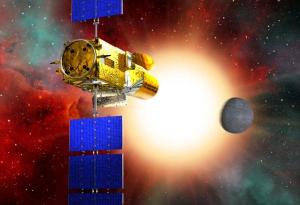
CoRoT satellite recently observed a star similar to the Sun at the age of about 500 million years, called CoRoTExo-2a.
Browse ScienceInfo articles and explainers related to Planet.
2,878 published items.
CoRoT satellite recently observed a star similar to the Sun at the age of about 500 million years, called CoRoTExo-2a.
Jupiter gains weight quickly when young. It is required to do so because the material from which Jupiter formed disappears after only a few million years, according to a…
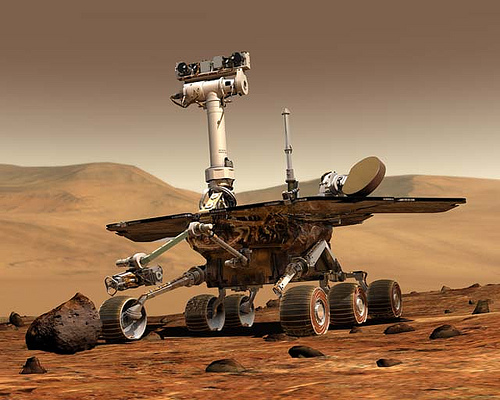
NASA's 6-planet Mars self-propelled self-propelled survey device still works well after 5 years of landing on the red planet.

Two newly discovered meteors can give new insights into the formation and evolution of these small planets.
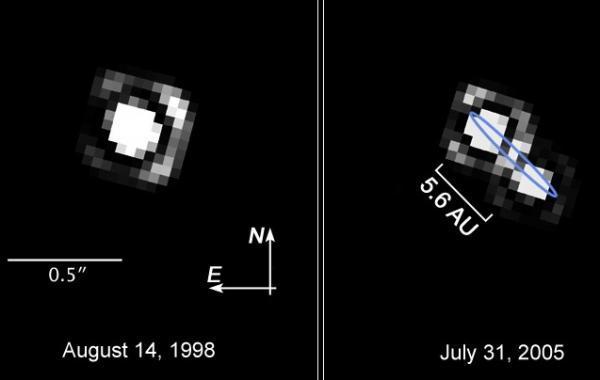
Brown stars, objects smaller than stars but larger than planets, are becoming more and more confusing, according to a study of 233 star systems of NASA's non-gina Hubble…
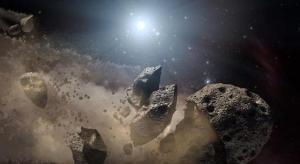
Astronomers used unexpected objects to study the development of planets - dead stars.
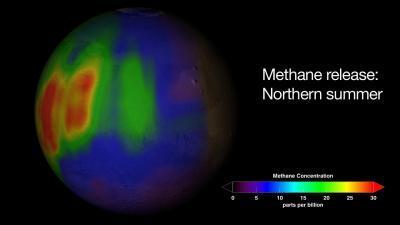
A group of NASA researchers and universities have for the first time discovered methane in Mars's atmosphere.

Astronomers have discovered evidence that brown stars have the same process of formation as normal stars.

The US Aerospace Agency (NASA) yesterday decided to postpone the plan to launch the MSL probe on the Red Planet expected to take place next year, due to hardware problem…
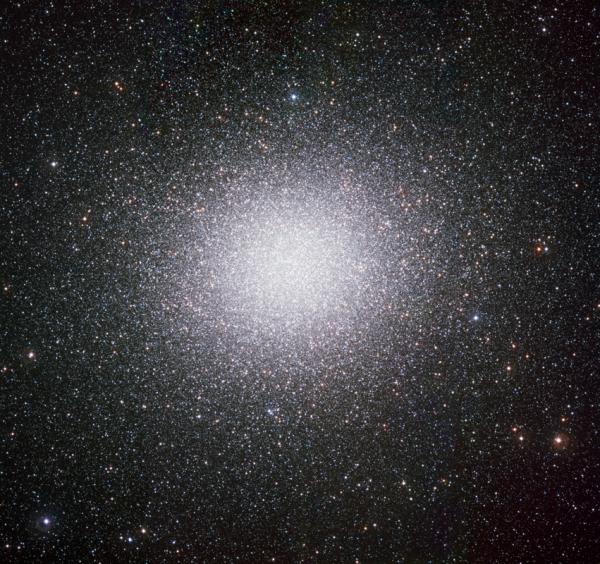
Omega Centauri is one of the most beautiful pearls in the southern hemisphere sky, perfectly illustrated in the latest ESO photo.

The Hubble Space Telescope has just discovered CO2 and CO in the atmosphere of a distant planet.

The image of the moon last night in many parts of the world has the largest size in the last 15 years, because the position between the moon and the earth is nearly 30,0…

It was the meteor bomb that the Earth had suffered before that was the cause of life on our planet.

New research shows that volatility plays an important role in creating the right conditions for planet formation.

US scientists have discovered many large carbonate mineral salts in the rock seams on Mars. This proves that the red planet once had a lot of water.