Space science
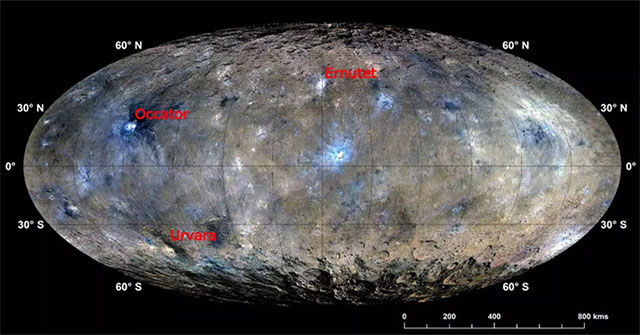
Life materials and a series of shocking things appear on the 'lost planet'
Ceres, the mysterious dwarf planet, the largest object in the asteroid belt, continues to amaze astronomers with what it possesses.
Browse ScienceInfo articles and explainers related to Planet.
2,878 published items.
Ceres, the mysterious dwarf planet, the largest object in the asteroid belt, continues to amaze astronomers with what it possesses.
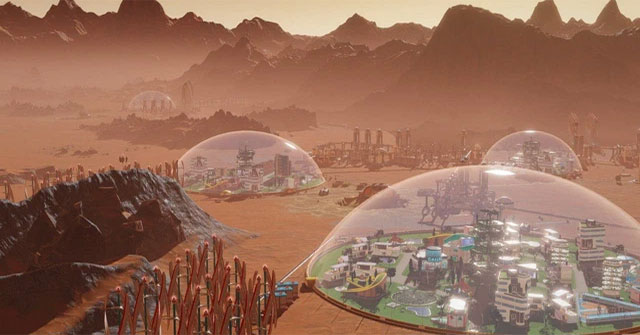
Future people living on Mars will have to eat a vegan diet due to very limited food sources.
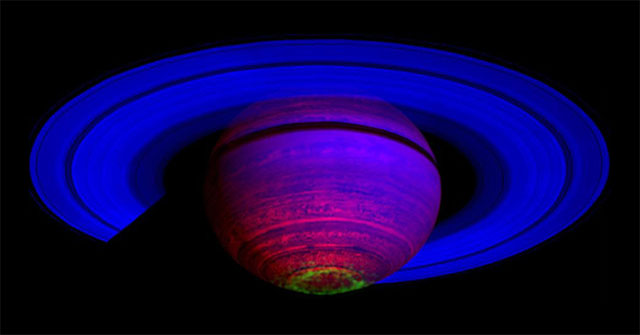
Astronomers have observed for the first time that auroras are driven by winds swirling across Saturn's atmosphere.
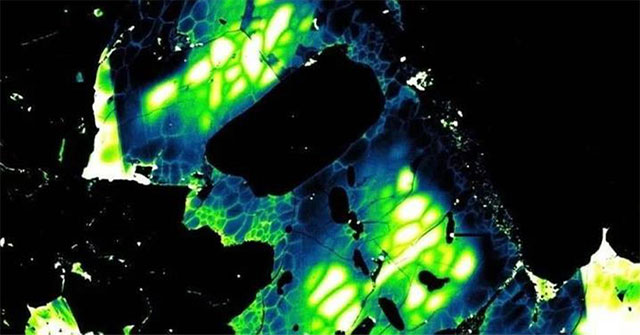
The Chelyabinsk meteorite that caused horror when it exploded over Russia in 2013 has just been proven to be related to a giant collision that shattered the Earth, formi…
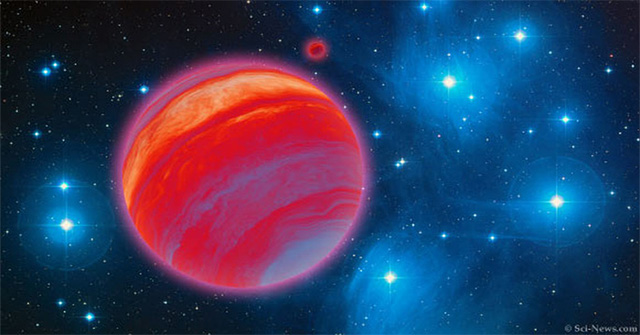
Two objects more advanced than the planet but failed to be considered a star, born as a couple but separated by 129 astronomical units.
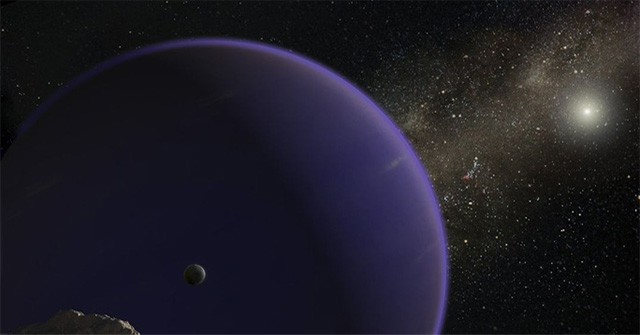
According to the Daily Mail, the object identified by the Vatican's Advanced Technology Telescope, dubbed 2021 XD7, takes 286 years to complete one orbit around the Sun.
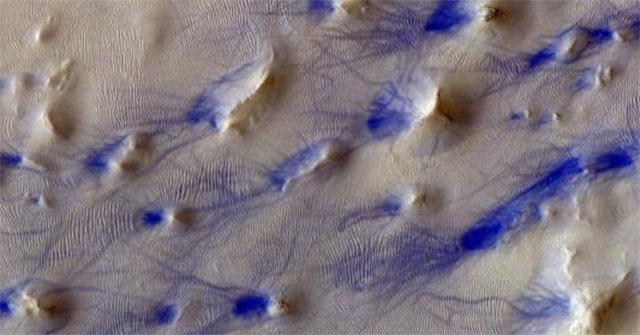
The strange, rippling mounds near the Hooke Crater area in the highlands south of the red planet are caused by dust demons.
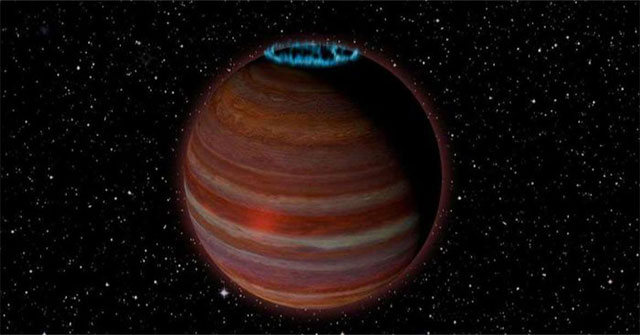
The universe contains countless strange things. Here are 12 of the strangest objects in space.
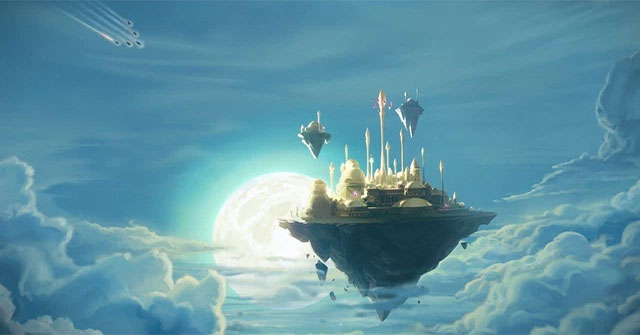
Venus is not friendly to life, but at an altitude of 50km above the planet's surface, the story is different...
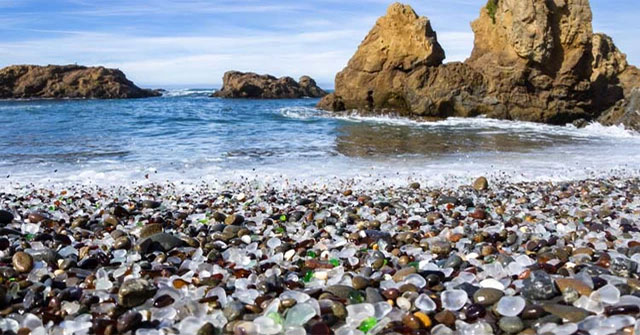
The world is diverse, there are many wonders on our planet, it looks like it is a product of nature, but when you learn it, you will find out that they are man-made. Her…
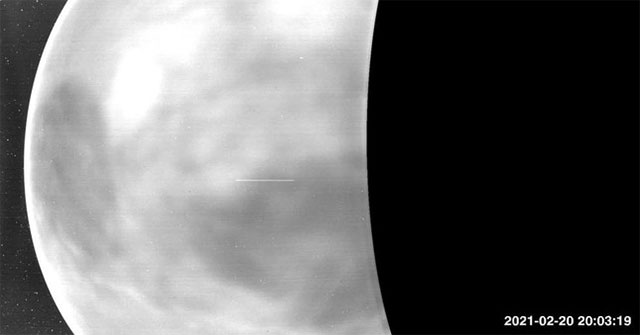
Stunning images captured by NASA's Parker Solar Probe have provided the first glimpse of Venus's red-hot surface.
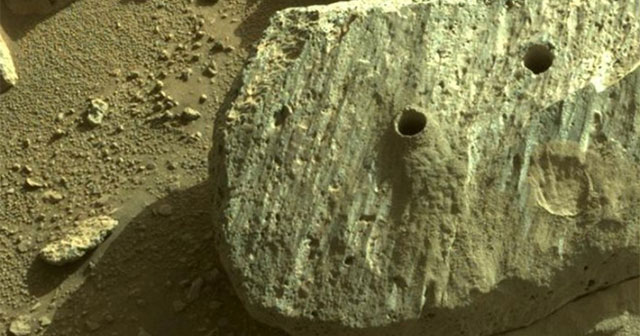
The Perseverance robot has achieved many achievements such as drilling for the first time to sample rocks on another planet or extracting oxygen from the Martian atmosph…
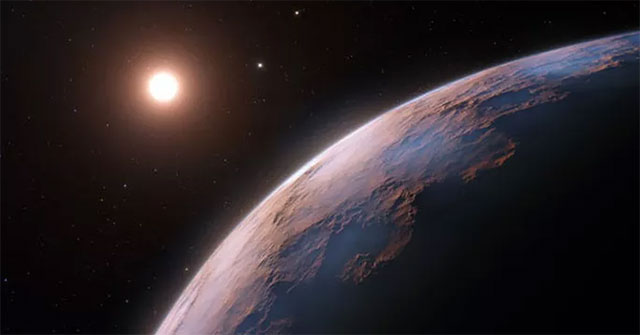
The closest star system to us Proxima Centauri continues to reveal a mysterious 3rd planet, with equally interesting details next to the 2-sided Earth Proxima Centauri b…
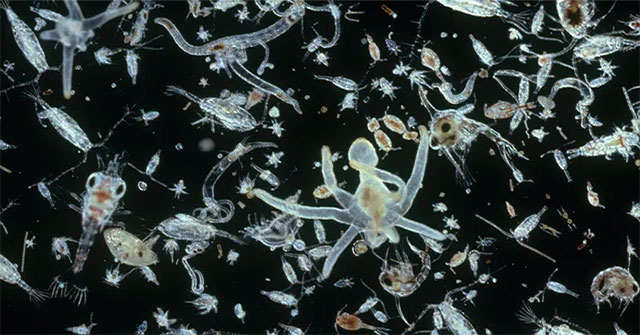
Not the land or the trees, the sea is the most effective permanent storage of CO2.
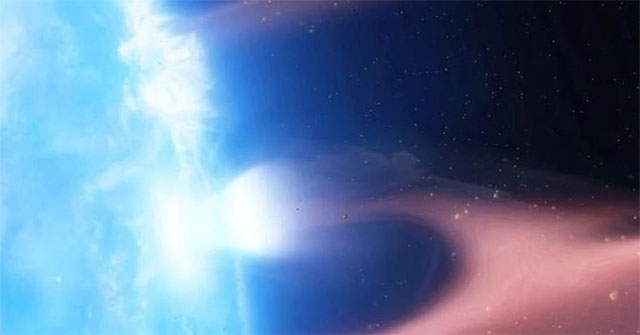
For the first time, scientists have captured unequivocal evidence of a white dwarf star ripping and swallowing parts of its own planet.