Science Events
China plans to search for Earth 2.0, using a satellite containing up to seven telescopes
This month, Chinese researchers will publish details of a second Earth-finding project.
Browse ScienceInfo articles and explainers related to Planet.
2,878 published items.
This month, Chinese researchers will publish details of a second Earth-finding project.
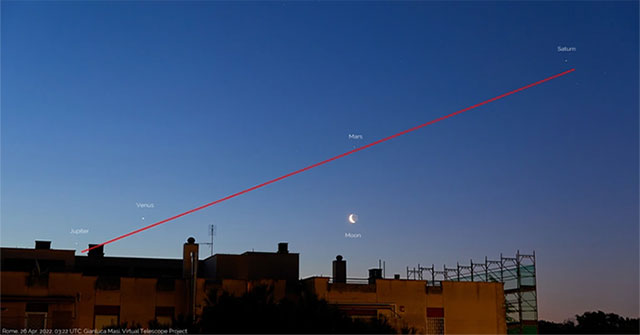
Italian astrophysicist Gianluca Masi captured a unique moment of the 'parade' of the planets.
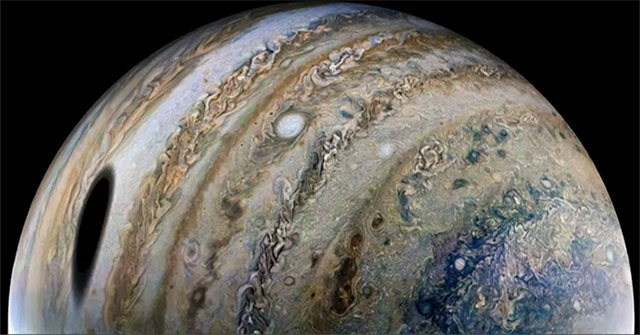
The photo taken of Jupiter startled viewers because of a very large black streak, appearing on the surface of this planet like a
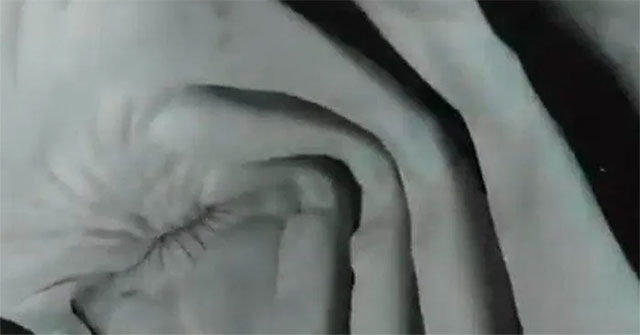
As the 27-second recorded video shows, the camera went quite deep into the shark's mouth and the camera captured a remarkable image.
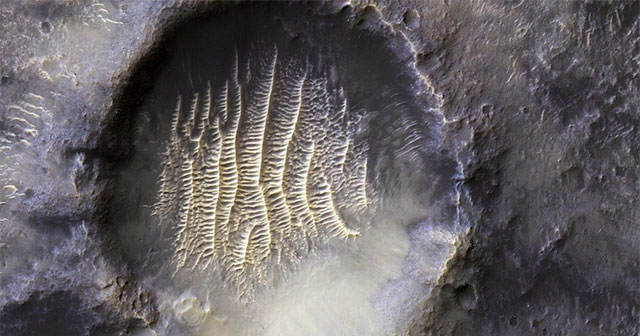
The image from another planet sent back by the Mars Reconnaissance orbiter looks exactly like a human fingerprint but is up to 0.5 km in diameter.
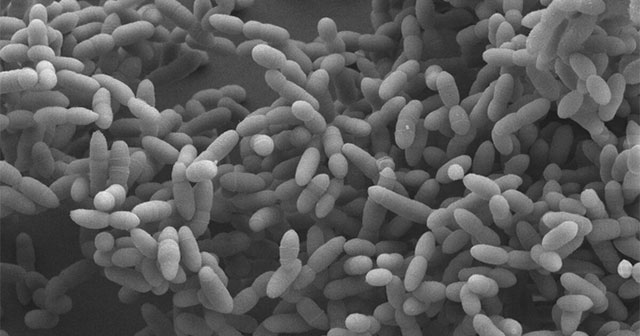
The planet Earth billions of years ago had biological power plants... that you had to use a microscope to see.
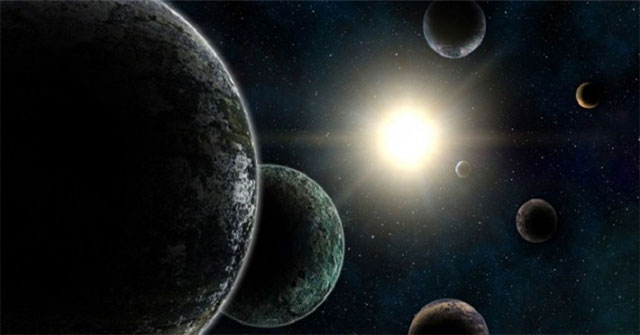
With 10 to 15 times stronger than NASA's Kepler telescope, the new Chinese satellite will find exoplanets in the habitable zone of a Sun-like star.
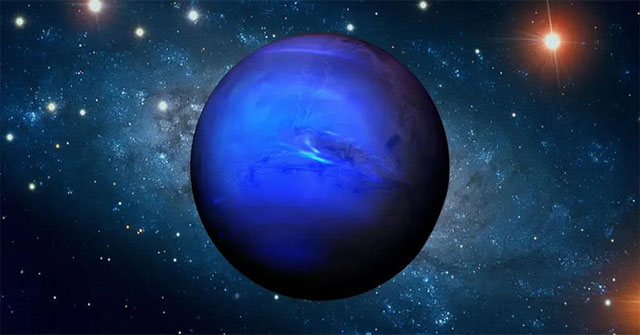
Six super telescopes have focused on Earth's coldest and most mysterious brother and discovered very strange things are happening on this planet.
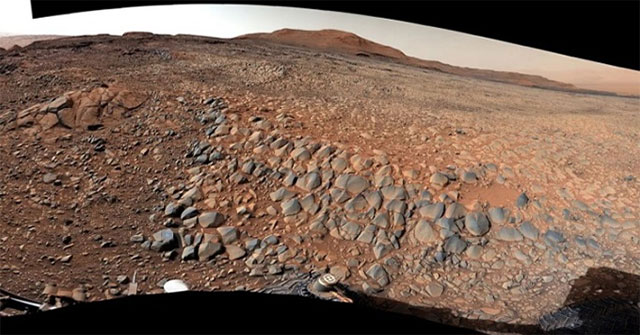
The rough rock with knife-sharp rocks on the red planet could threaten the Curiosity robot's wheels, forcing the vehicle to find another path.
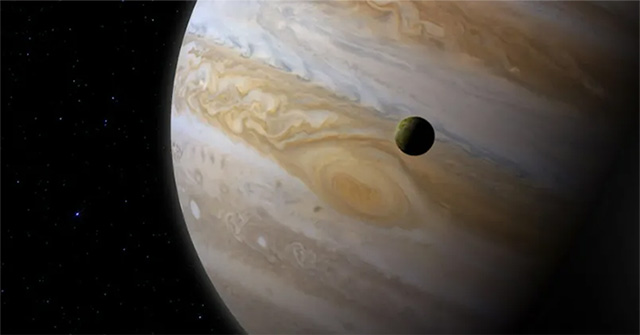
'A star is a spherical object in the plasma form, emitting light and resisting gravity by itself through nuclear fusion in its interior.'
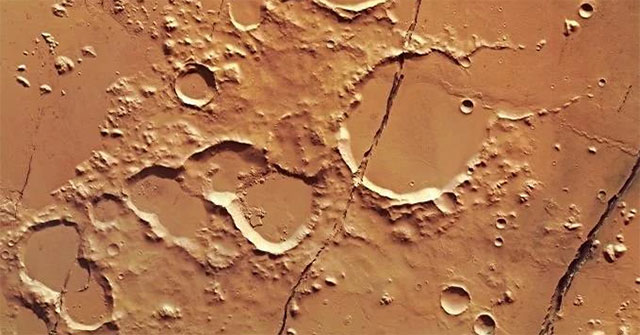
New evidence for Earth's neighbor planet - Mars - suggests it may be far from dead!
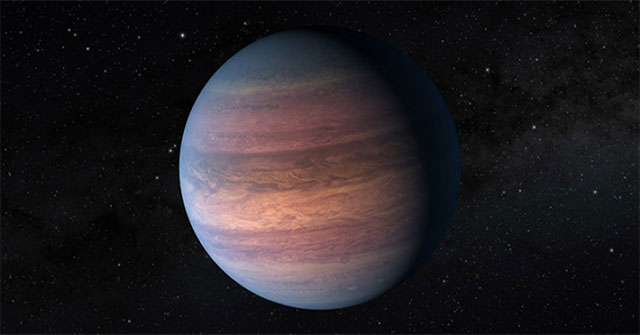
Analysis of a trove of old image data from the Kepler space telescope reveals a gas giant exoplanet very similar to Jupiter.
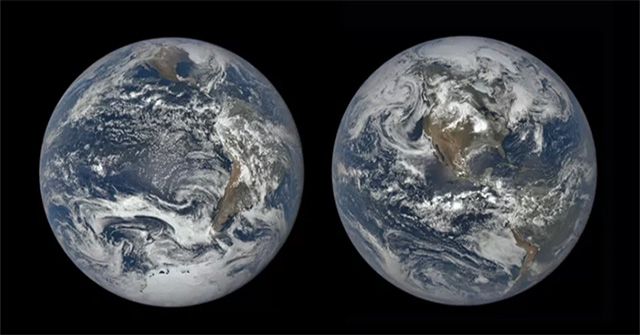
In fact, most planets and moons are not perfectly round, but are often distorted in one way or another.
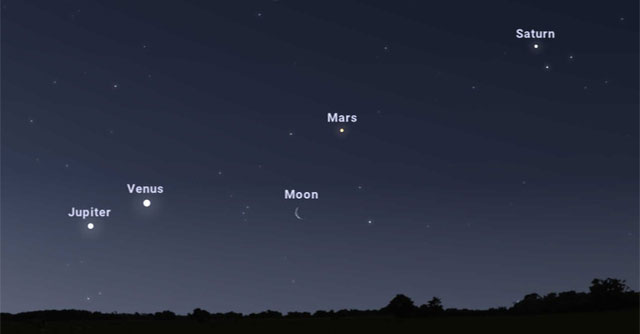
Entering April, Earth will have the opportunity to witness a beautiful scene in the sky, when 4 of the 5 brightest planets in the solar system appear to align in the ear…

An ancient event caused the Earth's crust to partially melt, creating openings that let helium-3 treasure from the planet's heart gradually escape.