Space science
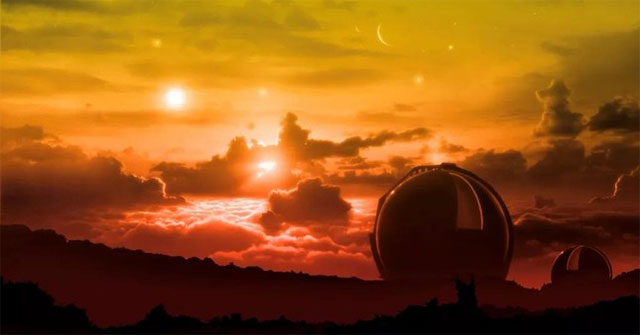
Humans may become interplanetary humans within 200 years
Either we develop the technology to safely harness the energy needed to escape our planet, or we kill ourselves in a cataclysm, a new study says.
Browse ScienceInfo articles and explainers related to Planet.
2,878 published items.
Either we develop the technology to safely harness the energy needed to escape our planet, or we kill ourselves in a cataclysm, a new study says.
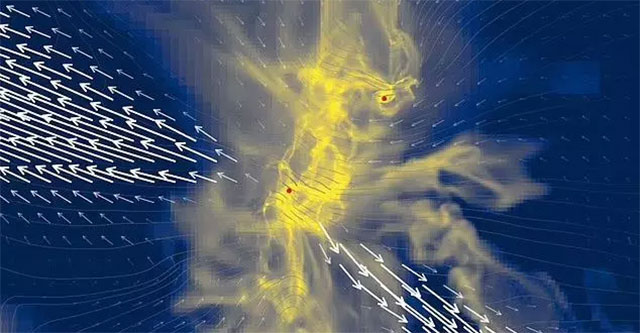
Earth is the lucky planet in the middle of the rather small habitable zone of the Solar System, but the unluckiest in the universe. The most habitable world might be the…
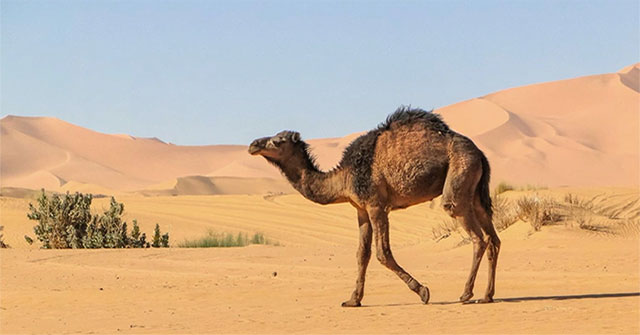
Camels live in one of the harshest environments on the planet. What is their secret to survival?
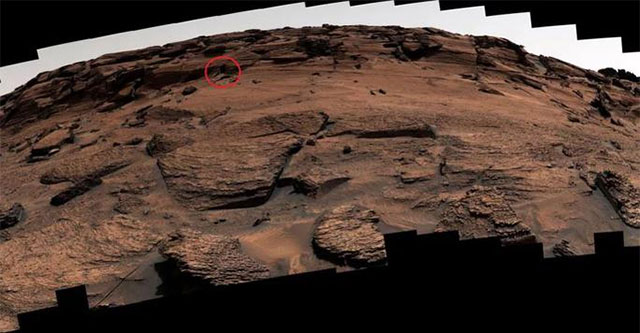
The first Mars citizen operating group, Curiosity, has just made the first official statement about a structure resembling a mysterious man-made door on the red planet.

Sharks are one of the most dangerous species on our planet, they are also known as ocean killers.
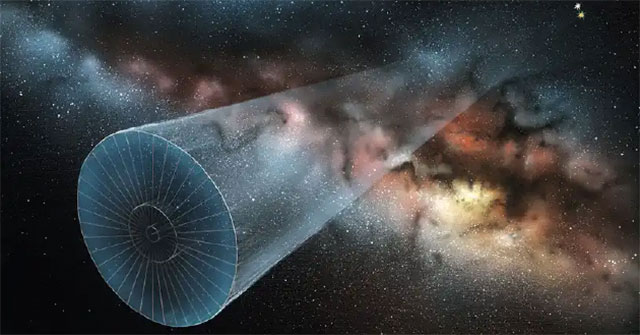
Exploring the universe and searching for extraterrestrial life has always been the desire of modern science and people, but so far everything seems to have not worked ou…
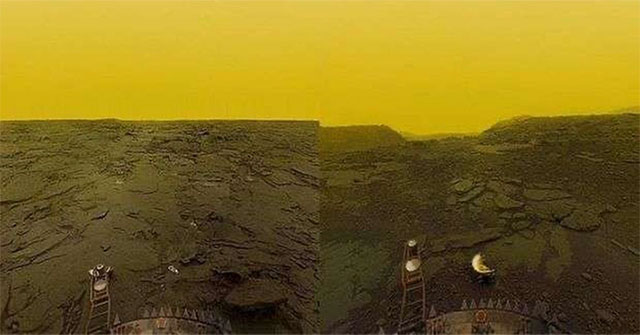
Venus and Earth are considered twin planets, while Earth exists life, Venus turns into a scorching hell.
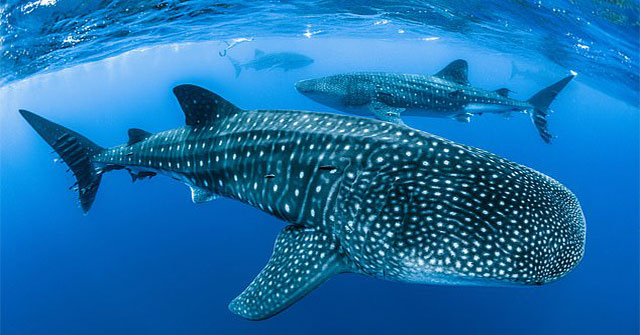
These traffic accidents have decimated the world's whale shark population by as much as half in the past 75 years.
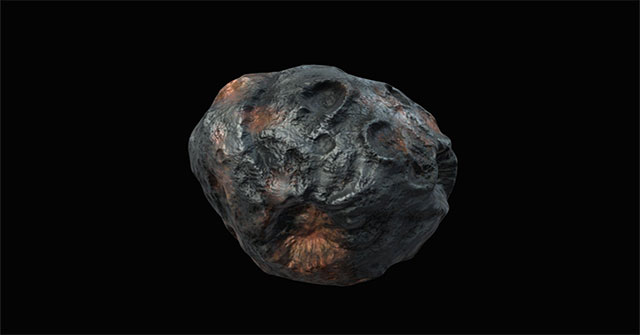
The NASA spacecraft will rely on Mars for extra thrust, helping it to head straight for 16 Psyche - the metal-rich asteroid believed to be the core of the incomplete 9th…

A convenience store located

When visiting the Chocolate Hills area, visitors will be overwhelmed by thousands of rolling hills, one after another.
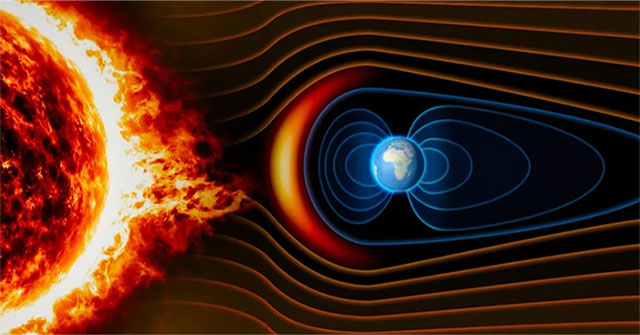
The researchers think that the solar wind produces water vapor on the asteroids. When they collide with the Earth, they provide a large amount of water.
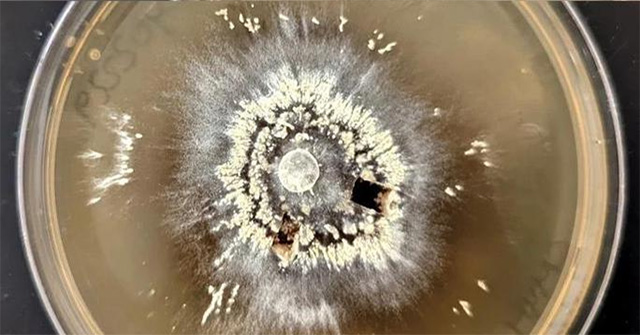
New research shows that a host of fungi and bacteria not only survived the Great Soberanes fire in 2006 but thrived like never before, as if fueled by fire.
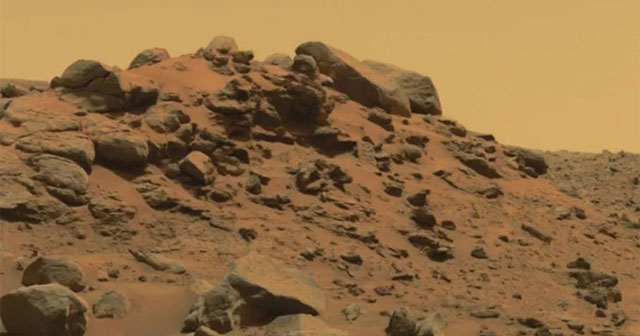
A duo of Mars probes have discovered a very ignimbrite igneous rock on Earth, revealing the planet's history of intense eruptions.
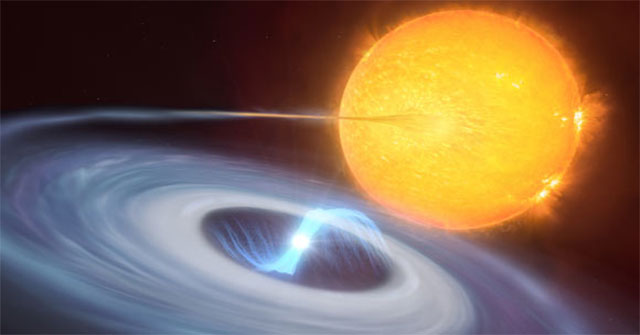
When reviewing data from exoplanet hunter TESS, the scientists encountered what was not a planet, but a dazzling beam of light from the unidentifiable object.