
Space science
NASA is about to create artificial meteor shower?
The first artificial meteor shower on the planet could occur in the near future when NASA plans to take measures to defend the Earth.
Browse ScienceInfo articles and explainers related to Planet.
2,878 published items.
The first artificial meteor shower on the planet could occur in the near future when NASA plans to take measures to defend the Earth.

The CEO of Russia's long-term space science program Roscosmos spoke out of Mr. Elon Musk's idea.
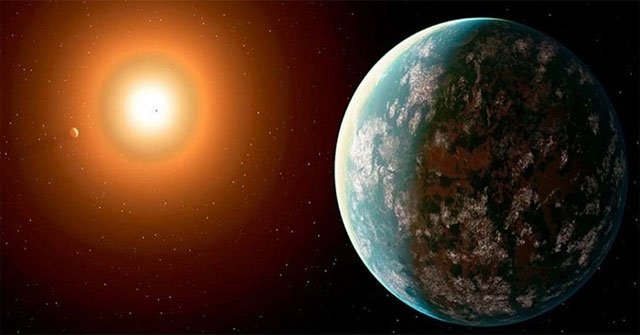
The newly discovered exoplanet has four times the mass of the Earth, orbiting the star as small as 1/10 of the Sun.
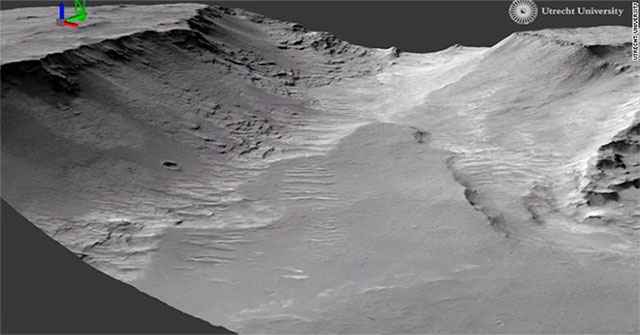
The characteristics of an age-old cliff on Mars led scientists to believe that this water once ran on the surface of the Red Planet billions of years ago.
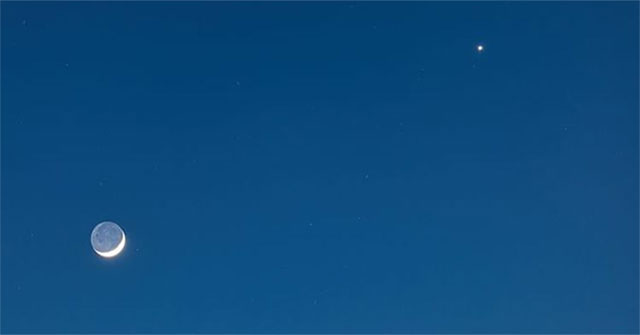
A mysterious light appeared next to the Moon over the weekend and predicts it will return next week. But what exactly is that light?
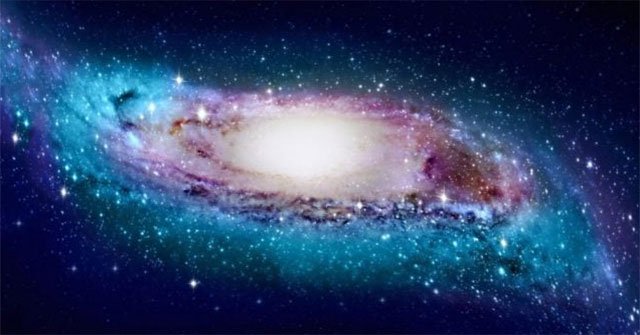
The evolution of elliptical galaxies is completely different from the Milky Way. They go through the infancy so much radiation that no planet of life can survive ...
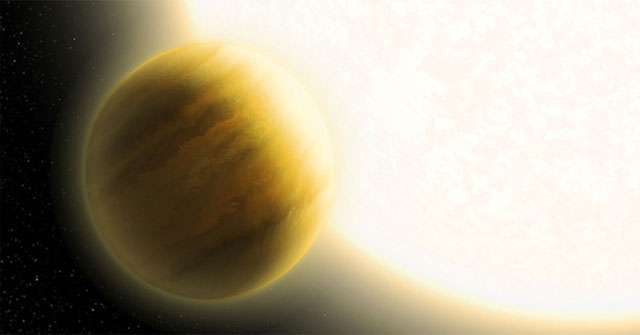
NASA astronomers found a planet with an unusual atmosphere, called WASP-79b, about 800 light-years from Earth.
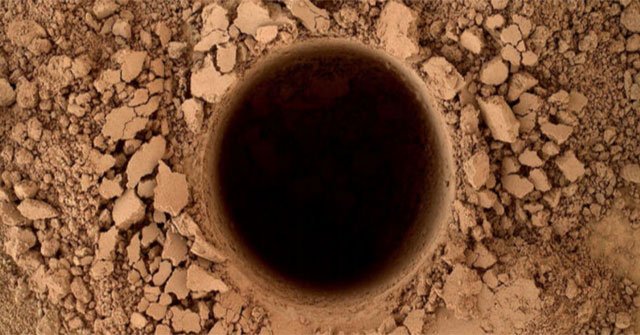
Scientists have issued a warning about the risk of infection of pathogens that humans have never known to astronauts on missions to discover new planets like Mars.
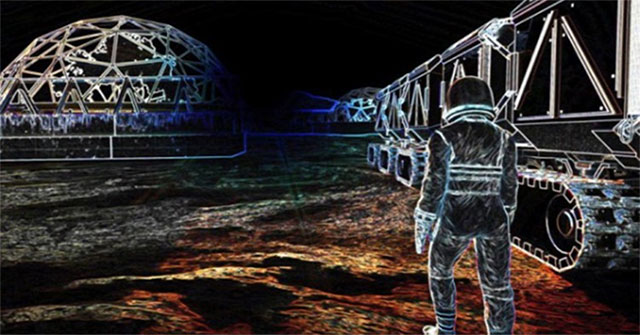
GD & TD - Geolocation of Mars is a story often mentioned by scientists. Currently, scientists often focus on preparing to adapt to the harsh conditions on Mars.
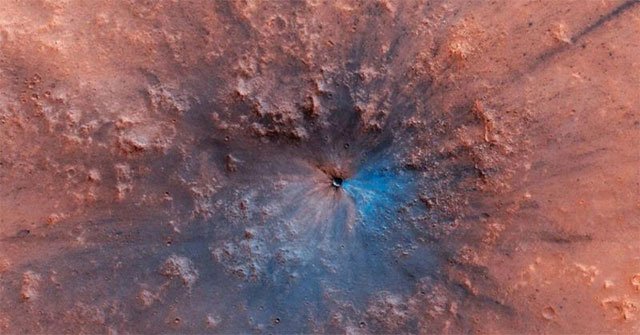
Scientists have discovered two ancient reservoirs that once flowed deep below the surface of Mars.
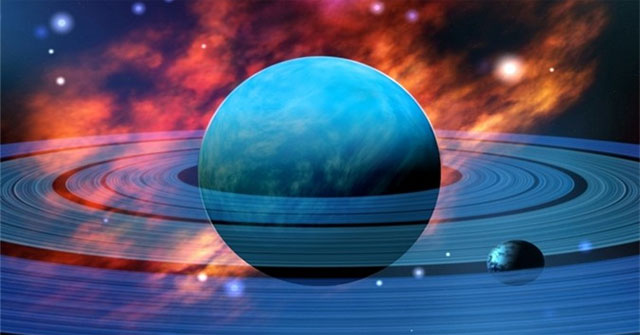
The beautiful blue planet in the photos of NASA - Uranus - is losing its atmosphere and could be transformed into a second Mars.
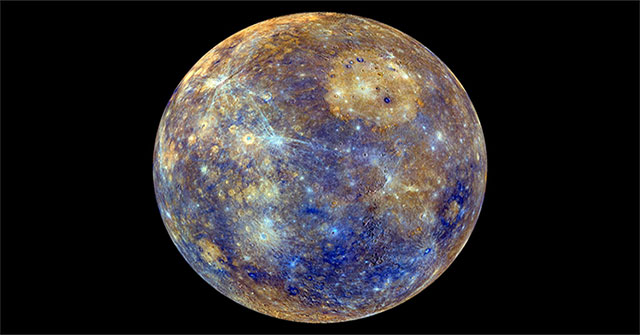
A new study measuring the average distance between planets found that the closest planet to Earth is not two neighbors of Venus or Mars.
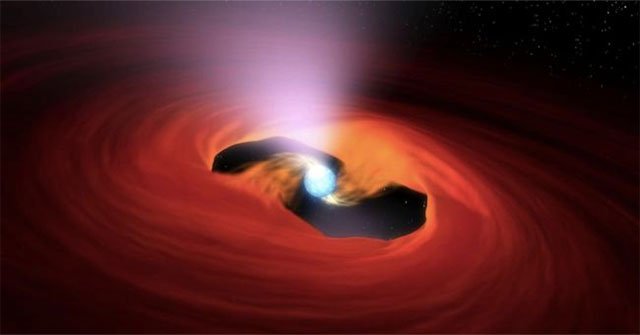
The double quasar, the dwarf planet Haumea or the Tabby star all have mysteries that astronomers have not yet answered.
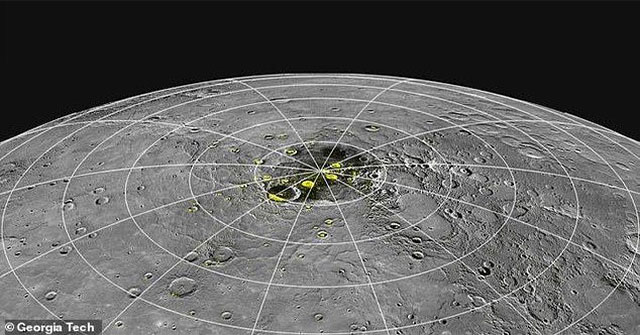
A team of scientists from Georgia Tech gave a new explanation for how ice formed on Mercury even though the scorching surface temperature could reach 400 degrees Celsius.
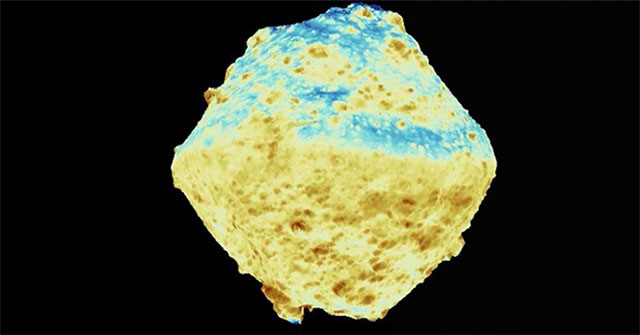
Data from Japan's Hayabusa2 spacecraft shows that the asteroid Ryugu is as highly porous as it is