Space science
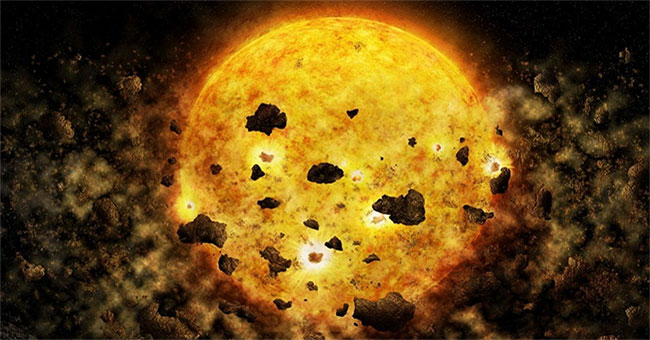
Planet's 'carnivorous' star is 450 light years from Earth
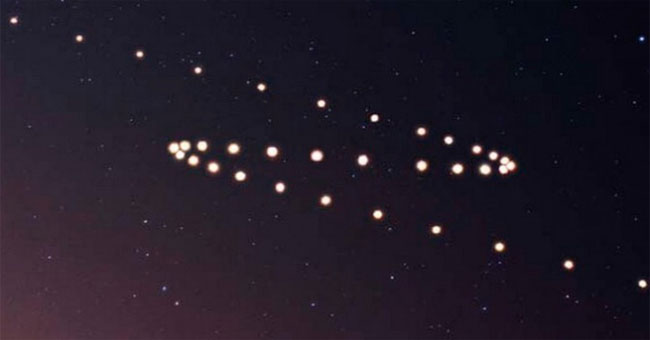
Scientists can first observe a young star
Browse ScienceInfo articles and explainers related to Planet.
2,878 published items.
Scientists can first observe a young star
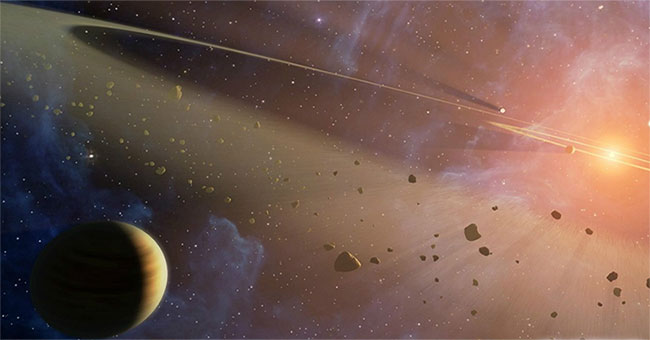
The research team at the University of Hawaii and the University of Arizona (USA) was stunned to observe a new planet named 2MASS 0249 c orbiting a pair of red dwarfs.
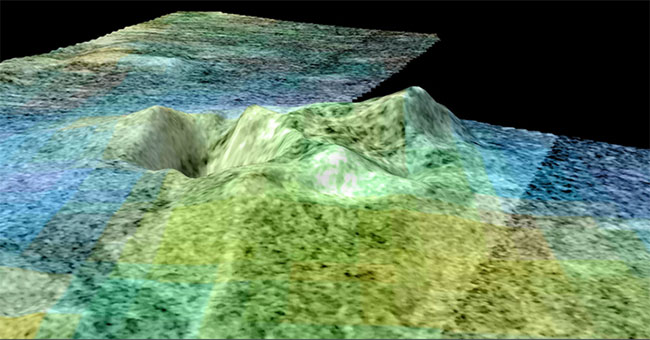
The study has just published in the Astrobiology scientific journal of the US scientists group of many units, using data that Cassini research spacecraft.
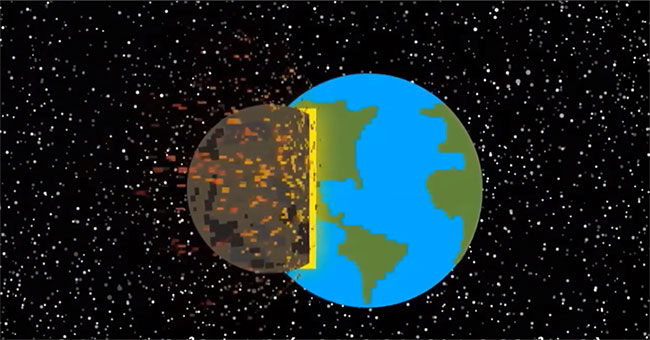
Strong collisions with other celestial bodies or certain external influences can cause a planet to crumble.
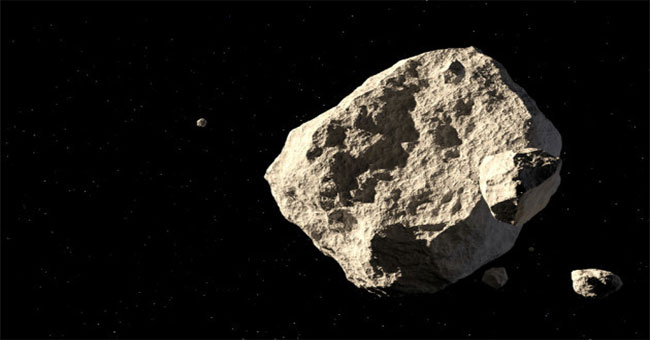
According to the latest research, most small bodies in space originated from 5 or 6 small planets that exploded and still move around our Solar System.
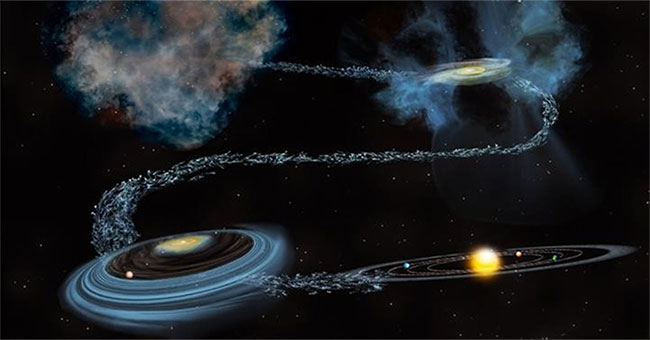
The team of astronomers found some interstellar dust, involved in forming Earth and the Solar System billions of years ago.
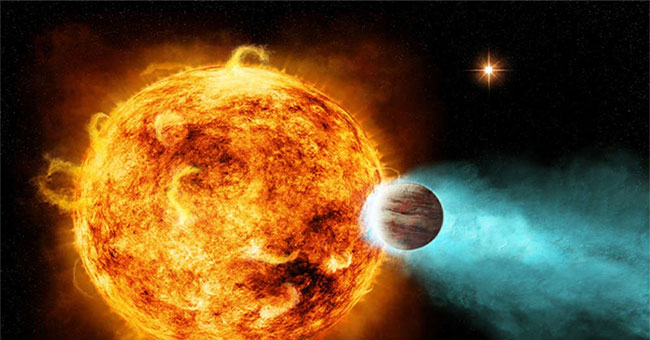
Specifically, astronomer Helen Giles - the study author has found a new planet, named EPIC248847494b, located 1800 light years away.

There are many strange things in the orbit of the Sun that astronomers have not yet liked. Here are 10 unexplained natural phenomena in our Solar System.
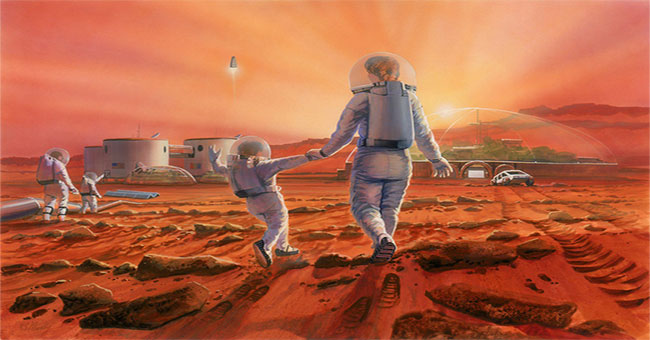
Elon Musk really wants us to get out of the Earth and explore the universe, even if no aliens are waiting to welcome humanity.
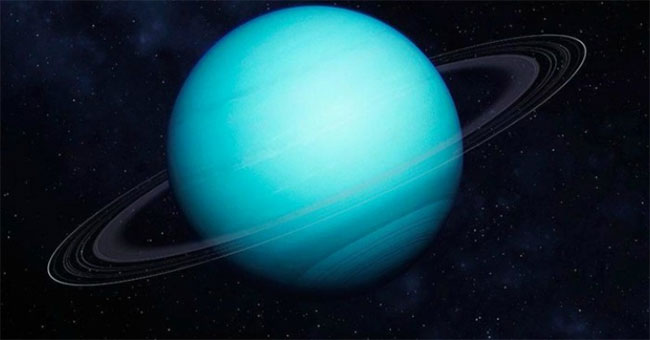
All planets in the solar system are inclined to the same side, except for Uranus. The north-south axis of the blue-green planet is 98 degrees above the Sun's orbit.
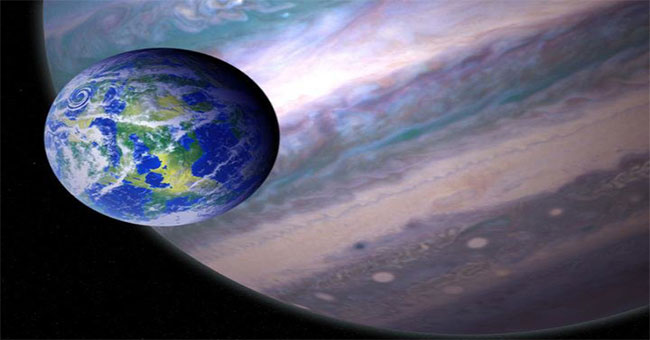
Kane's group has identified 121 giant planets whose orbits are within the habitable zone of their stars.
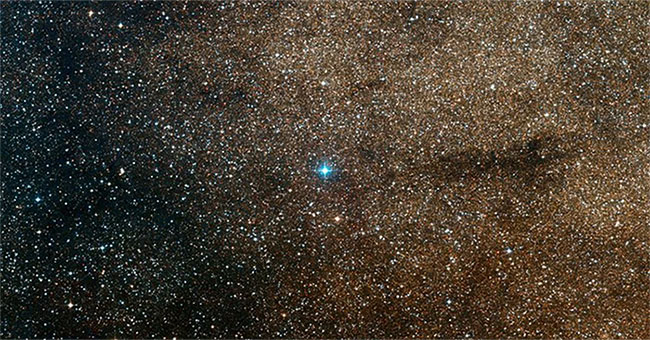
These three young planets orbiting a star called HD 163296, are about 330 million light-years away in the constellation Sagittarius.
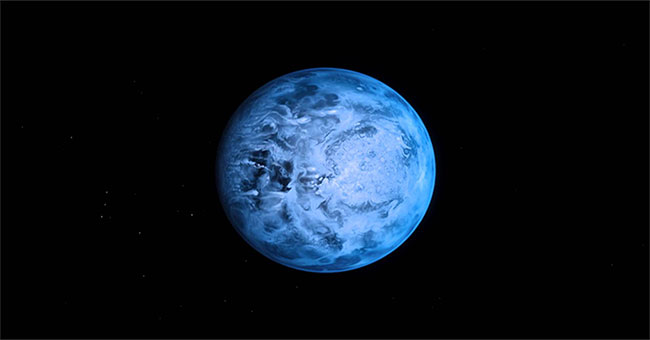
Glass rain, super typhoon or dizzying temperature change are three of the special phenomena that occur on outer planets.

On July 31, Mars will approach the closest point in its orbit with the Earth at that time, Mars will look bigger and brighter in the sky, very visible to the naked eye.