Space science
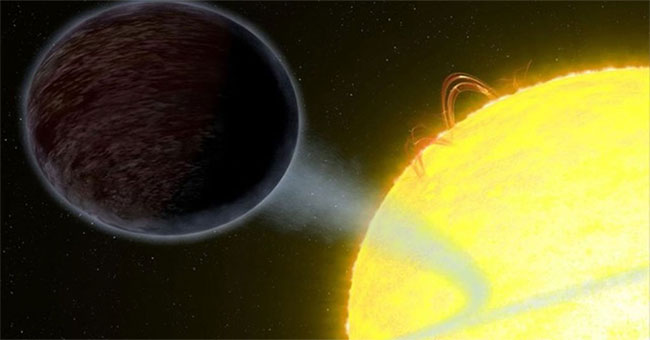
Black planet 'swallowed' 94% of light
The Hubble Space Telescope of NASA discovered the strange planet WASP-12b is almost completely black, because it absorbs 94% of the light shining on the surface.
Browse ScienceInfo articles and explainers related to Planet.
2,878 published items.
The Hubble Space Telescope of NASA discovered the strange planet WASP-12b is almost completely black, because it absorbs 94% of the light shining on the surface.
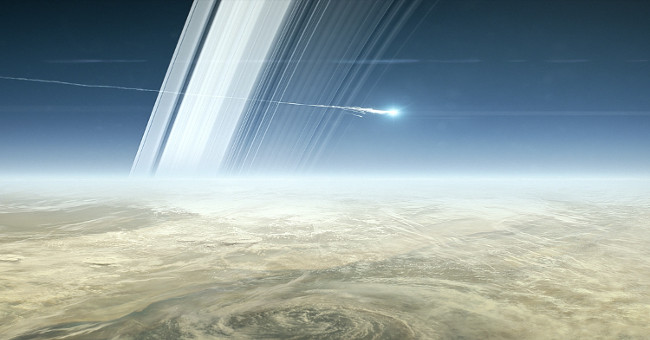
Cassini - the first spacecraft to carry out the mission to discover Saturn plunged into the atmosphere of this planet suicide, leaving lots of priceless scientific data…
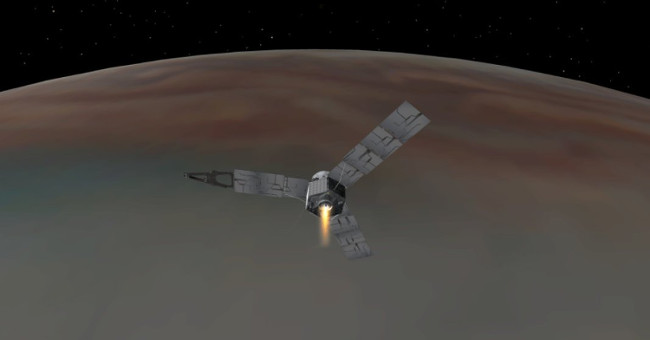
For ships flying across the universe at speeds of thousands of kilometers per hour, the calculation of which ships move most quickly becomes an extremely complex task fo…
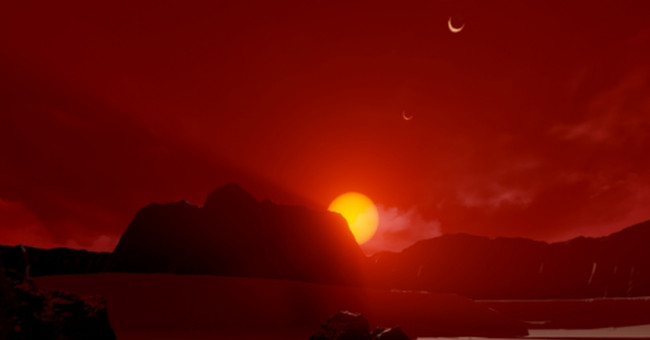
In the early months of 2017, NASA announced the discovery of Trappist-1 - a star-planet system containing 7 globules of the same size as Earth.

SCMP said on September 6, China will invest $ 61.1 million to build the project
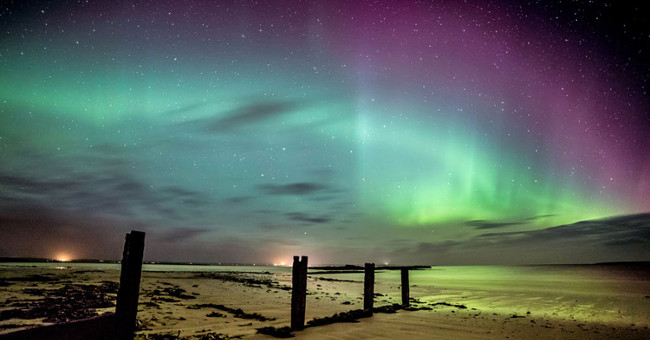
It is known that aurora is considered one of the most beautiful natural phenomena on the planet - it is
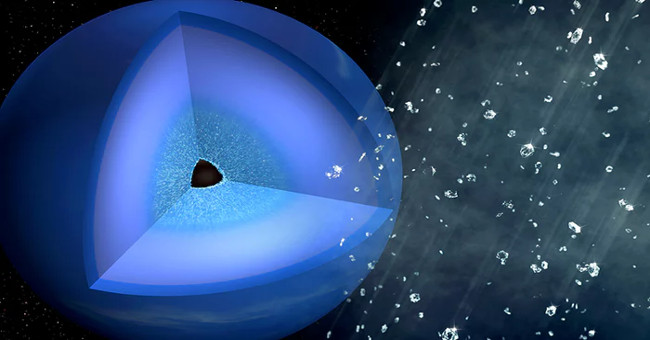
Carbon and hydrogen are compressed at extremely high pressures in Neptune and Uranus, resulting in carbon becoming hard diamonds.
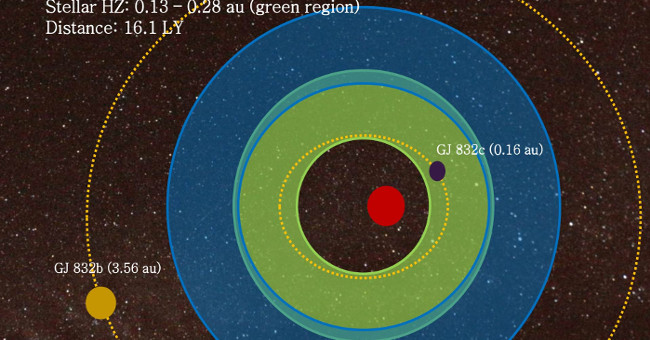
This is the star with the most Earth-like planets than any other planetary system ever discovered.
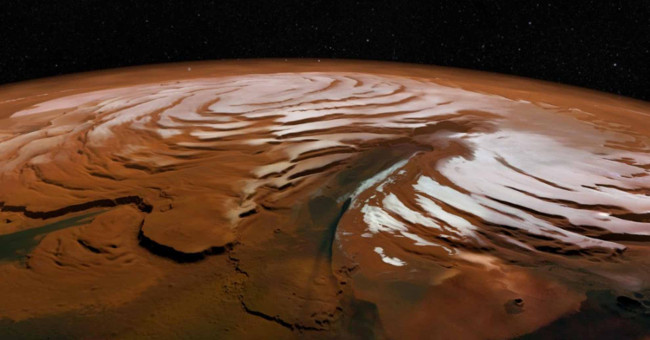
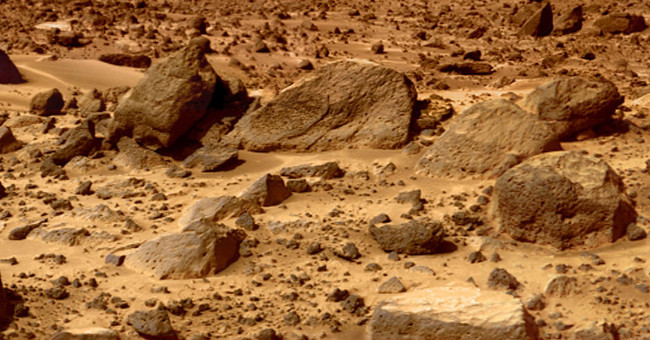
This finding shows that there are still many mysteries about the Martian climate that humans do not know.
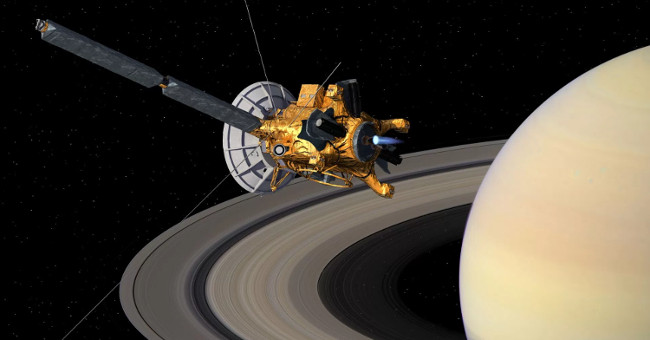
The Cassini spacecraft entered the final phase of its mission to fly 5 around Saturn and dive down close to the giant planet's upper deck, according to the International…
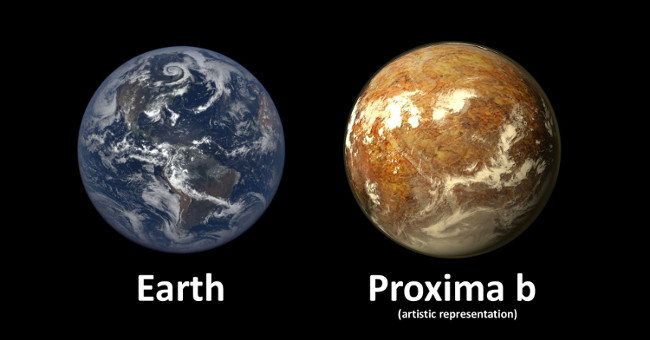
Proxima b is a planet that is about the same size as the Earth, and the planet with the closest distance to our solar system (about 4 light-years).
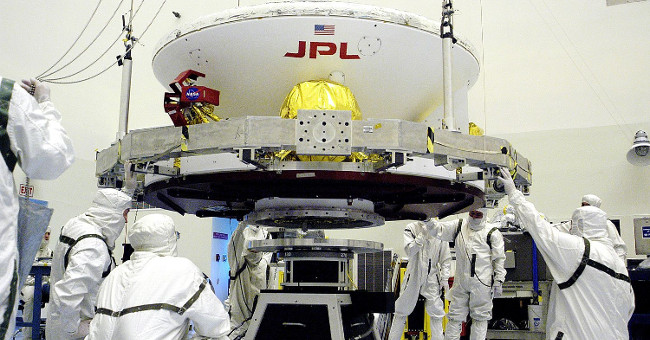
The US Aeronautics and Space Agency (NASA) is willing to pay 124,000-187,000 dollars a year for the protection of planets in the universe, including the Earth, from the…
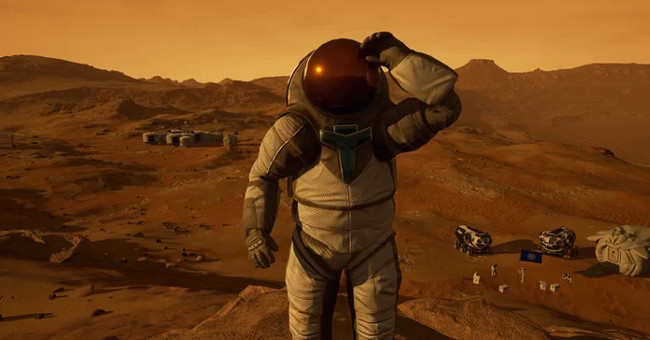
The most authentic experience of setting history on Mars in 2030 is clearly reflected through Fusion's latest virtual reality product.
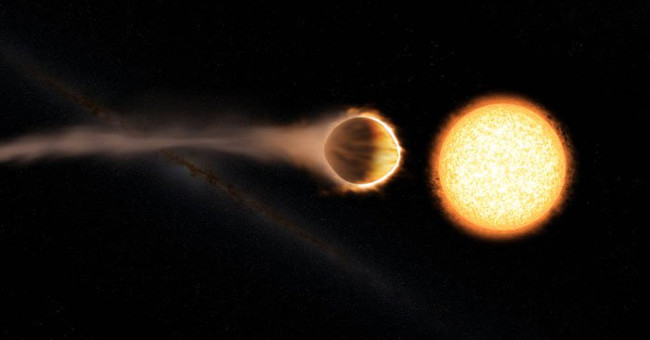
A group of international researchers discovered glowing water molecules in the stratosphere of the planet outside the solar system called WASP-121b, New Scientist on 2/8…